

When I started tattooing, I blew thousands on the wrong tattoo supplies because nobody told me what actually mattered. Then, i found the complete Tattoo Supplies Checklist.
You’re probably staring at endless supply lists wondering what you really need versus what’s just marketing fluff.
Here’s the truth: most artists overcomplicate their setup.
I’m going to walk you through exactly what supplies you need to run a killer studio without breaking the bank or cluttering your workspace with junk you’ll never use.
Table of Contents
Quick Tattoo Supplies Checklist Table
| 🎯 Core Equipment | |||
| Primary Rotary Machine | Your daily workhorse for 90% of tattoos | Essential | |
| Backup Rotary Machine | Machines break at the worst moments | Important | |
| Digital Power Supply | Precise voltage control for consistent results | Essential | |
| Backup Power Supply | Emergency use when main unit fails | Important | |
| Coil Machine (Optional) | For traditional American or bold tribal work | Optional | |
| 🔧 Grips, Tubes & Tips | |||
| Disposable Grips | Hygienic and convenient for daily use | Essential | |
| Silicone Grips | Comfortable for long sessions | Important | |
| Stainless Steel Tubes | Autoclave-friendly and durable | Important | |
| Needle Tips (Various Sizes) | Match tips to needle types for smooth flow | Essential | |
| 💉 Needles & Cartridges | |||
| Round Liners (3RL, 5RL, 7RL) | Essential for outlines and detailed line work | Essential | |
| Magnums (7M, 11M) | Perfect for shading and color packing | Essential | |
| Round Shaders (5RS, 9RS) | Best for soft shading and gradients | Important | |
| 🎨 Inks & Pigments | |||
| Lining Black Ink | Sharp, dark outlines for professional work | Essential | |
| Gray Wash Series | For realistic shading and black-gray work | Essential | |
| Primary Colors (Red, Blue, Yellow) | Foundation for all color mixing | Essential | |
| Secondary Colors (Green, Orange, Purple) | Complete your color palette | Important | |
| White Ink (Highlighting & Mixing) | For highlights and custom shade creation | Important | |
| Skin Tone Set | Critical for portrait and realistic work | Important | |
| 🛡️ Safety & Sanitation | |||
| Medical-Grade Gloves (Bulk) | Essential hygiene protection | Essential | |
| Surface Barriers | Keep workspaces sterile between clients | Essential | |
| Machine Bags & Clip Cord Sleeves | Prevent equipment contamination | Essential | |
| Autoclave | Sterilizes reusable tools effectively | Essential | |
| Medical-Grade Disinfectants | Kill bloodborne pathogens on surfaces | Essential | |
| Hand Sanitizers | Prevent cross-contamination during sessions | Essential | |
| 🩹 Aftercare Products | |||
| Fragrance-Free Healing Balms | Aid proper tattoo healing process | Essential | |
| Antibacterial Soap | Gentle cleaning for fresh tattoos | Essential | |
| Second Skin Bandages | Medical-grade protection from bacteria | Important | |
| Non-Stick Pads | Safe covering for large tattoos | Important | |
| 🪑 Furniture & Setup | |||
| Adjustable Tattoo Chair | Client comfort for long sessions | Essential | |
| Professional Workstation | Organized supply storage and access | Essential | |
| Adjustable LED Lighting | Shadow-free precision work lighting | Essential | |
| Rolling Supply Cart | Mobile organization for supplies | Important | |
| Client Waiting Area Seating | Professional client experience | Important | |
| 📋 Organization & Storage | |||
| Supply Storage Containers | Keep supplies organized and sterile | Important | |
| Sterilization Pouches | Safe storage post-sterilization | Essential | |
| Inventory Tracking System | Monitor usage and reorder points | Important | |
| ⚡ Power & Connectivity | |||
| Quality Power Cords | Reliable connections for corded machines | Important | |
| Wireless Charging Stations | For wireless machine maintenance | Important | |
| Extension Cords & Adapters | Flexible power setup options | Optional | |
The Reality Check Every New Artist Needs
Let me guess.
You've been scrolling through supply websites for hours.
Everything looks "essential" according to the product descriptions.
Your cart is sitting at $3,000 and you haven't even added ink yet.
Sound familiar?
Here's what nobody talks about: 80% of professional tattoo work comes from 20% of your supplies.
The rest is just nice-to-have stuff that looks cool in photos.
Core Tattoo Equipment That Actually Matters
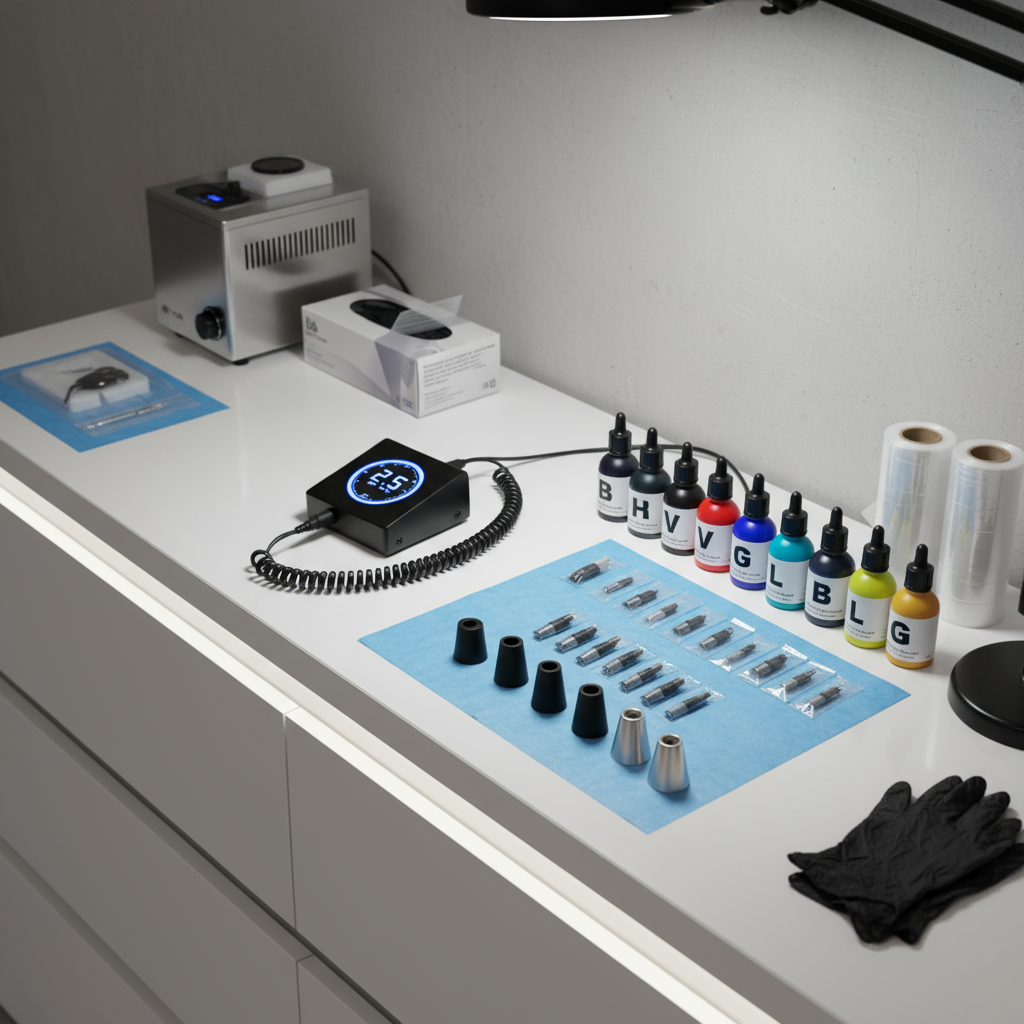
Tattoo Machines: Your Money-Making Tools
Rotary machines are where I'd start if I were building a setup today.
They're quieter. Less maintenance. Work for everything from fine lines to heavy shading.
Here's my machine breakdown:
- Primary rotary - Your daily workhorse for 90% of tattoos
- Backup rotary - Because machines break at the worst possible moments
- Coil machine (optional) - Only if you're doing traditional American or bold tribal work
Pro tip: Don't buy a machine collection. Get one solid rotary and master it completely before adding anything else.
I know artists who've been using the same rotary for 5+ years and crushing it daily.
Power Supplies: Keep It Simple
Digital power supplies give you precise voltage control.
That's it.
Don't overthink this part.
You need:
- Main digital power supply with clear voltage display
- Backup power supply (can be basic)
- Quality cords that won't short out mid-session
- Wireless setups are getting popular, but I'd master corded machines first. Less variables to deal with when you're learning.
Grips and Tubes: Comfort = Better Work
Disposable grips are my go-to recommendation.
- No autoclave time.
- No contamination risks.
- Grab and go.
Silicone grips feel amazing during long sessions if you want reusable options.
Stainless steel tubes are bulletproof if you don't mind the cleaning routine.
Match your grip diameter to your hand size - this isn't one-size-fits-all.
Tattoo Needles: The Foundation of Every Line
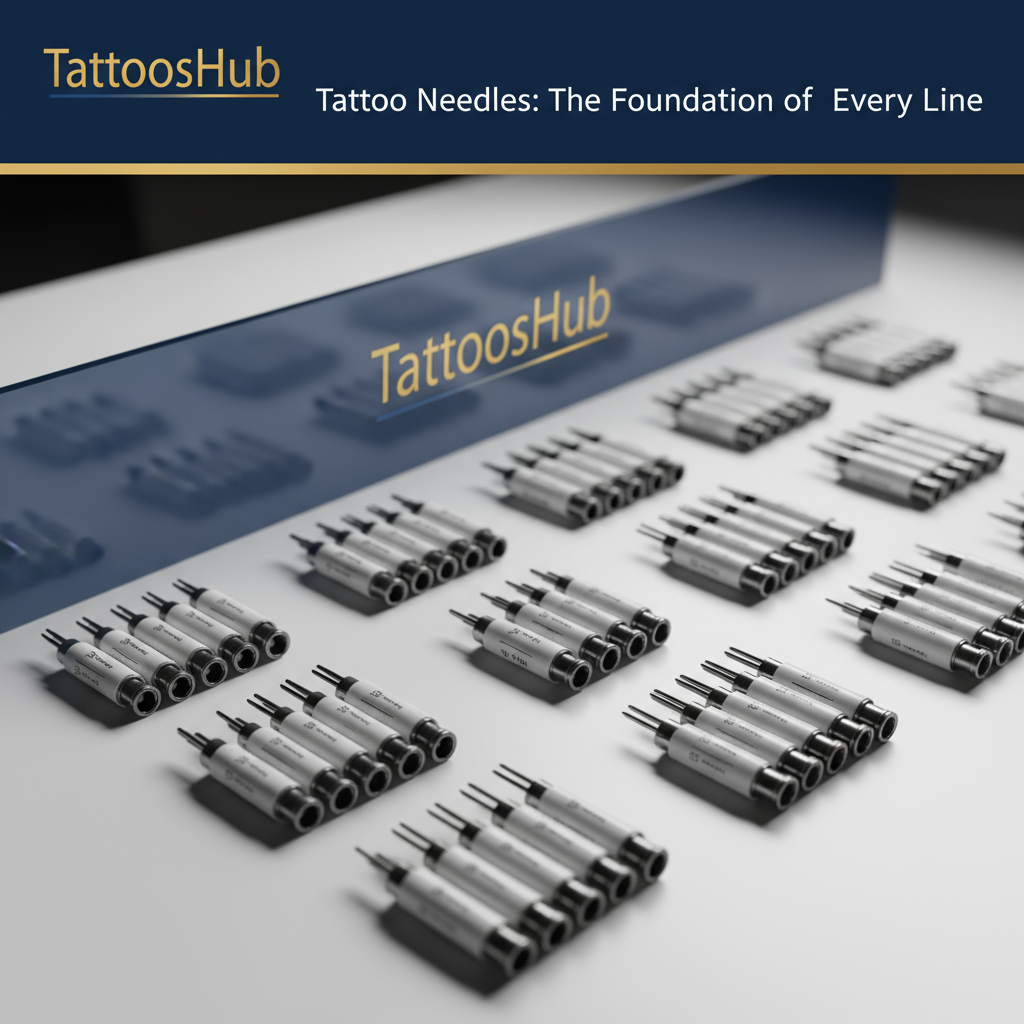
This is where new artists get lost in the technical weeds.
Round liners (RL):
- 3RL - Super fine detail work
- 5RL - Most versatile for outlines
- 7RL - Bold, confident lines
Magnums:
- 7M - Soft shading and gradients
- 11M - Color packing and broad coverage
Round shaders (RS):
- 5RS - Small area shading
- 9RS - Larger shading work
Start with these six needle types.
You can tattoo almost anything with this basic setup.
Don't buy every needle configuration until you know what you actually use.
Tattoo Ink: Quality Over Quantity
I've seen artists with 200+ ink bottles who still can't mix a decent skin tone.
Black inks you need:
- Lining black - Sharp, dark outlines
- Gray wash set - For realistic shading work
Color basics:
- Primary colors (red, blue, yellow)
- Secondary colors (orange, green, purple)
- Skin tone set - Critical for portrait work
- White ink - For highlights and mixing
Buy from reputable brands with FDA-compliant formulations.
Cheap ink costs you more in the long run when clients come back with faded tattoos.
Safety and Sanitation: Non-Negotiable Basics
- Medical-grade gloves - Buy in bulk, change them constantly.
- Surface barriers keep your workspace clean between clients.
- Autoclave for sterilizing reusable equipment. If you can't afford an autoclave, stick to disposables until you can.
- Disinfectants that actually kill bloodborne pathogens. Not just whatever's cheap at the store.
- Machine bags and clip cord sleeves prevent cross-contamination.
This isn't where you cut corners. Ever.
Aftercare Products: Keep Your Clients Happy
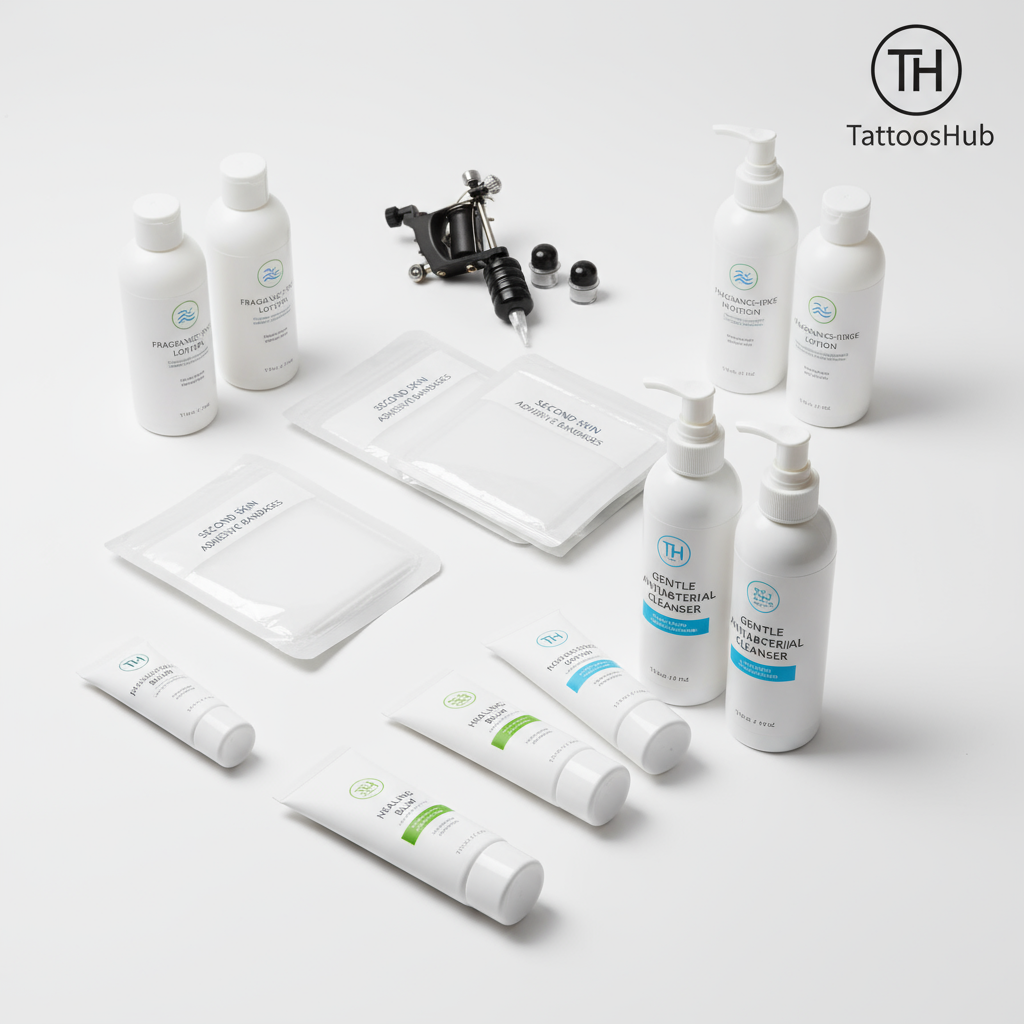
Tattoo aftercare products can make or break your client's healing experience.
I learned this the hard way when a client's beautiful portrait turned into a scabby mess because I handed them whatever cheap lotion was sitting around.
Your reputation rides on how well their tattoo heals.
Not just how good it looks walking out your door.
The Aftercare Problem Every Artist Faces
Here's what happens.
You spend 6 hours creating an amazing piece. Client loves it. Takes photos. Posts on social media.
Two weeks later, they're texting you photos of a patchy, faded tattoo asking "what went wrong?"
The healing process matters as much as the tattooing process.
Bad aftercare ruins good tattoos. Good aftercare saves mediocre ones.
Essential Tattoo Aftercare Products Every Studio Needs
Healing Balms and Lotions: The Heavy Hitters
Fragrance-free aftercare balms are your best friend.
Fragrances irritate healing skin. Irritated skin doesn't heal properly. Poor healing means unhappy clients.
What I stock:
- Premium healing balms with natural ingredients
- Unscented moisturizing lotions for daily care
- Antibacterial ointments for the first 24-48 hours
Real talk: I used to recommend whatever was cheapest.
Then I started tracking client healing results.
The difference between $3 drugstore lotion and $15 tattoo-specific balm was night and day.
Quality aftercare products reduce healing time and keep colors vibrant.
Antibacterial Soap: The Foundation
Gentle antibacterial soap is non-negotiable.
Regular soap is too harsh. Antibacterial body wash has too many additives. You need something designed for healing skin.
Look for:
- pH-balanced formulations
- No artificial colors or fragrances
- Gentle enough for twice-daily use
I tell clients to wash gently twice a day. Morning and night. No scrubbing. Pat dry with clean towels.
Advanced Bandaging Solutions
Second skin bandages changed everything for me.
Traditional plastic wrap and gauze creates moisture problems.
Second skin lets the tattoo breathe while protecting from bacteria.
Benefits I've seen:
- Faster healing times (3-5 days vs 7-10 days)
- Less scabbing and peeling
- Better color retention
- Reduced infection risk
Application tip: Apply within 2 hours of finishing the tattoo. Leave on for 24-48 hours depending on the size.
Non-Stick Pads and Medical Wrap
For larger pieces that second skin can't cover.
Non-stick pads don't pull on healing skin when removed.
Medical wrap holds everything in place without cutting off circulation.
My go-to combo:
- Non-stick pad over the fresh tattoo
- Medical wrap to secure (not too tight)
- Replace daily for the first 3 days
Tattoo Aftercare Kits: What Actually Works
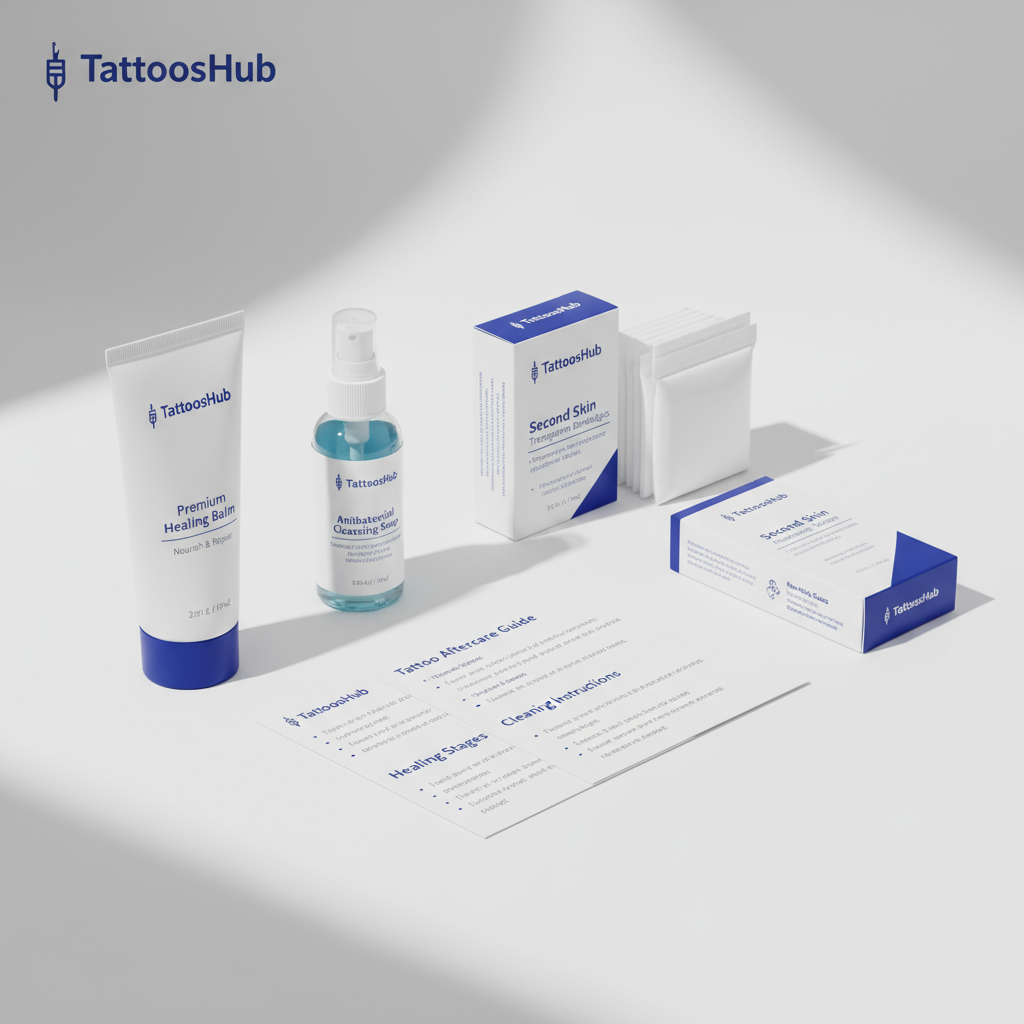
Pre-Made Aftercare Kits
I sell aftercare kits with every tattoo.
Not because I'm trying to make extra money. Because it eliminates the guesswork for clients.
My basic kit includes:
- Travel-size healing balm
- Antibacterial soap sample
- Second skin bandage
- Printed aftercare instructions
Clients love the convenience. I love the consistent results.
Custom Aftercare Packages
For bigger pieces, I create custom packages.
Large tattoo kit:
- Full-size healing balm
- Extra second skin bandages
- Gentle moisturizer
- Detailed healing timeline
The investment pays off in referrals and repeat clients.
Advanced Aftercare Products for Problem Healing
Specialized Healing Solutions
Some clients need extra help.
Sensitive skin clients get hypoallergenic everything.
Slow healers need more intensive moisturizing products.
Active lifestyle clients need waterproof protection options.
Products for special cases:
- Hypoallergenic healing balms
- Extra-gentle cleansers
- Waterproof bandaging systems
- Anti-inflammatory creams (when recommended by doctors)
Sun Protection for Healed Tattoos
SPF 30+ sunscreen protects finished work.
I include sunscreen samples in aftercare kits.
UV damage fades tattoos faster than anything else.
Protecting your art protects your reputation.
Sourcing Quality Aftercare Products
Where to Buy Professional Aftercare Supplies
Professional tattoo suppliers offer the best selection.
Tommy's Supplies carries comprehensive aftercare lines designed specifically for tattoo healing.
Benefits of professional suppliers:
- Products tested on tattoo clients
- Bulk pricing for studios
- Consistent quality standards
- Industry-specific formulations
What to Avoid in Aftercare Products
Skip anything with:
- Heavy fragrances
- Alcohol-based ingredients
- Petroleum-based products (they clog pores)
- Harsh chemicals
Red flags in ingredient lists:
- Parabens
- Artificial dyes
- Strong preservatives
- Essential oils (can irritate healing skin)
Client Education: Making Aftercare Simple
The Instructions That Actually Get Followed
Most aftercare instructions are too complicated.
Clients forget half of it before they get home.
My simplified approach:
Days 1-3:
- Keep second skin bandage on
- Don't submerge in water
- No gym, no swimming
Days 4-14:
- Wash gently twice daily
- Apply healing balm thin layer
- No picking or scratching
Week 2+:
- Switch to regular unscented lotion
- Use sunscreen when outside
Simple instructions get better results.
Common Aftercare Mistakes Clients Make
- Over-washing damages healing skin.
- Too much product clogs pores and slows healing.
- Picking at scabs removes ink and creates scarring.
- Swimming too early introduces bacteria.
- I address these upfront during the aftercare conversation.
- Prevention beats fixing problems later.
Building Your Aftercare Product Inventory
Starter Inventory for New Studios
Month 1 supply list:
- 50 aftercare balm samples
- 25 antibacterial soap samples
- 100 second skin bandages (various sizes)
- 50 instruction cards
Cost: Around $200-300 to start.
Revenue impact: Easily pays for itself in client satisfaction.
Scaling Your Aftercare Business
- Successful aftercare programs become profit centers.
- Higher-end studios charge $25-50 for complete aftercare kits.
- Volume discounts from suppliers improve margins.
- Private label options build brand recognition.
Inventory Management for Aftercare Supplies
Track usage by tattoo size.
Small tattoos need basic kits. Large pieces need comprehensive packages.
Reorder points:
- Never run out of basic healing balm
- Keep 2-week backup stock of essential items
- Seasonal adjustments (more sun protection in summer)
Stock these to hand out with every tattoo. Happy healing clients become repeat clients and referrals.
Smart Sourcing: Where to Buy Without Getting Ripped Off
Online vs. Local Suppliers
Online suppliers like professional tattoo supply companies offer:
- Better pricing on bulk orders
- Wider selection of specialized items
- Product reviews from other artists
- Convenient reordering systems
Local suppliers are great for:
- Emergency restocks
- Building relationships
- Trying products before buying
Inventory Management That Actually Works
Track your usage patterns.
I keep a simple spreadsheet of what I use weekly. Sounds boring, but it prevents those "oh crap, I'm out of black ink" moments.
Bulk buying saves money on items you use constantly:
- Gloves
- Surface barriers
- Basic needle sizes
- Black ink
Don't bulk buy specialty items until you know your style.
Storage Tips That Preserve Your Investment
- Temperature control matters for inks. Hot storage areas fade colors faster.
- First-in, first-out rotation prevents expired products.
- Label everything with purchase dates.
- Quality check new shipments before stocking them.
Furniture and Setup Essentials: Complete Tattoo Studio Guide
Furniture and setup essentials can make or break your tattooing career before you even pick up a machine.
I've worked in studios with $50,000 worth of equipment crammed into spaces that felt like torture chambers.
I've also seen artists crushing it in simple setups that just worked better.
The difference wasn't the price tag.
It was understanding what actually matters for getting good work done.
The Setup Mistakes That Cost You Clients
Here's what happens in most new studios.
You focus on getting the "coolest" looking furniture.
- Instagram-worthy setup.
- All black everything.
- Looks like a spaceship.
Then reality hits.
- Your back hurts after 3-hour sessions.
- Clients can't get comfortable.
- You can't reach your supplies without gymnastics.
- The lighting creates shadows right where you need to see.
Function beats flash every single time.
Essential Tattoo Studio Furniture That Actually Works
Tattoo Chairs: Your Most Important Investment
The tattoo chair determines everything.
Client comfort during long sessions. Your access to different body parts. Whether you can maintain good posture.
What I look for in tattoo chairs:
- Full adjustability - height, back angle, leg rest
- Memory foam padding for 6+ hour comfort
- Easy-clean surfaces that don't absorb fluids
- Stable base that doesn't wobble during work
- Client accessibility for elderly or disabled clients
My chair horror story:
I once bought a "professional tattoo chair" for $159.
- Looked amazing online.
- Arrived and the hydraulics failed after 2 weeks.
- Padding was too firm for long sessions.
- Clients kept complaining about discomfort.
Lesson learned:
- Test chairs in person when possible.
- Read reviews from actual tattoo artists.
- Buy from suppliers who understand studio needs.
Adjustable Workstations: Organization That Works
Your workstation setup determines your efficiency.
Everything needs to be within arm's reach. But not cluttered. Sterile but accessible.
Essential workstation features:
- Height-adjustable surface
- Multiple supply compartments
- Easy-clean materials
- Rolling wheels for repositioning
- Electrical outlets built in
My current setup:
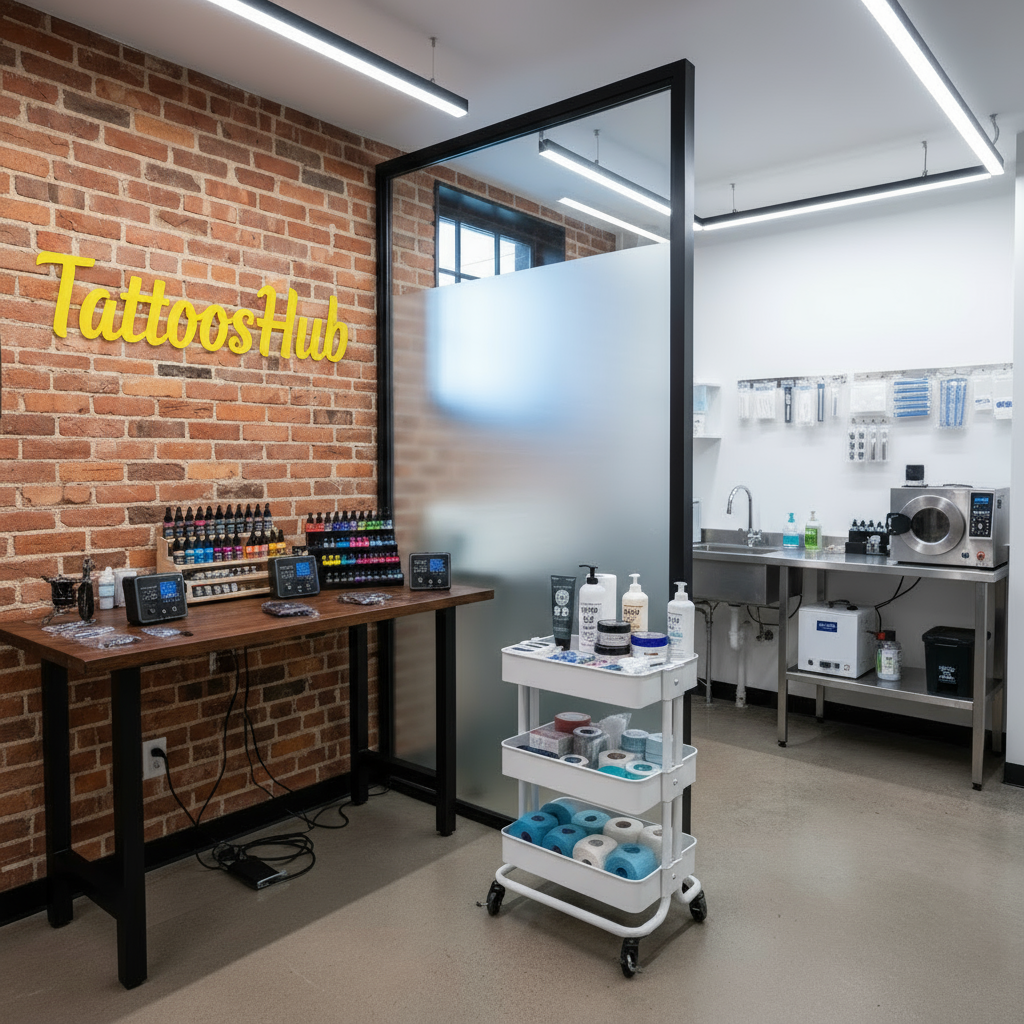
- Main workstation holds machines, power supplies, and inks.
- Secondary cart for bandaging supplies and aftercare products.
- Sterilization station completely separate from work area.
This eliminates cross-contamination and keeps workflow smooth.
Studio Lighting: See What You're Actually Doing
Poor lighting ruins good tattoos.
I can't count how many touch-ups I've done because the original work looked different under proper lighting.
Lighting requirements:
- Adjustable LED lights with color temperature control
- Shadow-free positioning from multiple angles
- Dimmer controls for client comfort
- Emergency backup lighting
Pro tip: Test your lighting setup by doing detailed line work under it. If you squint or strain your eyes, it's not right.
Color temperature matters. Cool white (5000K-6500K) shows true colors. Warm lighting makes everything look yellow.
Client Comfort Setup
Comfortable clients sit still. Still clients make your job easier.
Client comfort essentials:
- Cushioned waiting area seating
- Side tables for personal items
- Climate control (AC/heating)
- Entertainment options (music, TV)
- Privacy screens for sensitive area work
Small comfort touches create big referral differences.
Tattoo Studio Layout Planning
Workflow Optimization
Your studio layout should follow your tattooing process.
Consultation area → Prep station → Tattoo station → Aftercare area
Each zone needs:
- Clear boundaries
- Dedicated supplies
- Easy transitions between areas
My layout evolution:
- Version 1: Everything crammed into one room. Chaos. Clients bumping into supplies. No privacy.
- Version 2: Separate consultation and tattoo areas. Better, but still inefficient supply access.
- Version 3: Zone-based layout with dedicated workstations. Everything flows. Clients feel professional service. I work faster and cleaner.
Space Maximization Strategies
- Small studios can still be highly functional.
- Vertical storage uses wall space efficiently.
- Rolling carts provide mobile supply access.
- Fold-down surfaces create extra workspace when needed.
- Wall-mounted supply dispensers save counter space.
- Multi-purpose furniture serves double duty.
Example setup for 150 sq ft studio:
- Compact tattoo chair as centerpiece
- Wall-mounted workstation with fold-down surface
- Rolling supply cart for inks and needles
- Overhead lighting on adjustable arms
- Corner sterilization station
Professional Studio Furniture Shopping
Where to Buy Quality Tattoo Furniture
Professional tattoo suppliers understand studio needs better than general medical suppliers.
TattoosHub offers furniture designed specifically for tattoo artists.
Benefits of tattoo-specific furniture:
- Designed for long sessions
- Easy sterilization protocols
- Industry-standard sizing
- Artist-tested functionality
New vs. Used Furniture Decisions
Used furniture can save serious money.
But inspect everything carefully.
Red flags in used equipment:
- Hydraulic leaks in chairs
- Wobbly or unstable bases
- Worn padding that won't recover
- Electrical issues in adjustable pieces
- Rust or corrosion on metal parts
When to buy new:
- Hygiene-critical items (chairs, workstations)
- Safety equipment (lighting, electrical)
- Warranty protection matters
When used works:
- Storage furniture
- Waiting area seating
- Non-electrical items
Financing Studio Furniture Setup
Don't blow your budget on furniture and have nothing left for supplies.
My recommendation:
- Buy quality tattoo chair first (this is your moneymaker)
- Basic workstation to start
- Essential lighting
- Upgrade other pieces as revenue grows
Financing options:
- Equipment leasing for expensive pieces
- Payment plans from suppliers
- Used equipment for non-critical items
Ergonomics and Artist Health
Protecting Your Body for Long-Term Success
Tattooing destroys your body if you don't set up properly.
Back pain. Neck strain. Wrist problems. Shoulder tension.
I learned this after 10-hour days left me barely able to move.
Ergonomic setup essentials:
- Adjustable chair height to match client position
- Proper back support during long sessions
- Arm rests for detailed work
- Foot positioning to maintain balance
Position yourself so you're not hunched over. Your equipment should come to you. Not the other way around.
Long-Session Comfort Solutions
6+ hour sessions require special considerations.
For you:
- Lumbar support cushions
- Anti-fatigue floor mats
- Adjustable foot rests
For clients:
- Memory foam padding
- Position change options
- Support pillows for awkward positions
Take breaks every 2 hours. Stretch. Move around. Reset your posture.
Studio Aesthetics That Convert Clients
Creating Professional Atmosphere
Your studio appearance influences client confidence.
Clean and organized beats expensive and cluttered.
Design elements that work:
- Consistent color scheme
- Professional artwork displays
- Clean, modern furniture
- Good organization systems
Avoid:
- Cluttered surfaces
- Personal items everywhere
- Outdated or worn furniture
- Poor lighting
Clients judge your skill by your environment before seeing your portfolio.
Budget-Friendly Studio Upgrades
You don't need designer furniture to look professional.
High-impact, low-cost improvements:
- Fresh paint in neutral colors
- Organized supply storage
- Good lighting upgrades
- Clean, matching furniture covers
- Professional signage
Focus on cleanliness and organization over expensive aesthetics.
Maintenance and Longevity
Keeping Furniture and Setup in Top Condition
Daily maintenance prevents expensive replacements.
Cleaning protocols:
- Wipe down surfaces after each client
- Disinfect contact points regularly
- Inspect moving parts weekly
- Lubricate hydraulics monthly
Early problem detection saves money.
Weird noises in hydraulic chairs. Wobbling in workstations. Flickering in lighting.
Address issues immediately before they become major repairs.
When to Upgrade Your Setup
Upgrade when equipment affects your work quality.
Not when you see something cooler online.
Upgrade triggers:
- Client comfort complaints
- Your physical discomfort during work
- Inefficient workflow costing time
- Equipment reliability issues
Return on investment should drive upgrade decisions.
Better furniture that lets you work longer sessions = more revenue.
Top 10 Tattoo Machines for Professional Artists in 2025
The best tattoo machines in 2025 aren't what you think they are.
I've tested dozens of machines over the years.
Spent thousands on hyped-up equipment that looked amazing but performed like garbage.
Watched artists struggle with machines that cost more than my first car but couldn't hold a steady line.
Here's the truth nobody wants to tell you:
The most expensive machine isn't always the best. The prettiest machine usually isn't the most functional. The machine everyone's talking about might not work for your style.
I'm going to break down the 10 machines that actually deliver results in 2025.
What Makes a Professional Tattoo Machine Worth Your Money
The Features That Actually Matter
Consistency beats everything else.
A machine that hits the same depth 1,000 times in a row. That's what separates professional equipment from hobby toys.
Essential features for pro work:
- Reliable motor performance under heavy use
- Consistent needle movement at all speeds
- Comfortable grip for 8-hour days
- Easy maintenance when things go wrong
- Proven durability in real studio conditions
Ignore the marketing fluff. Focus on machines that work day after day.
Wireless vs. Corded: The Real Story
Wireless machines are taking over.
But not for the reasons most people think.
It's not about looking cool. It's about eliminating variables that mess up your work.
No cord snagging. No power fluctuations from old building wiring. No tripping over cables during long sessions.
Battery life reality check: Most wireless machines get 6-8 hours on a charge. That's a full day of tattooing. Charge overnight. Never worry about power mid-session.
Top 10 Professional Tattoo Machines for 2025
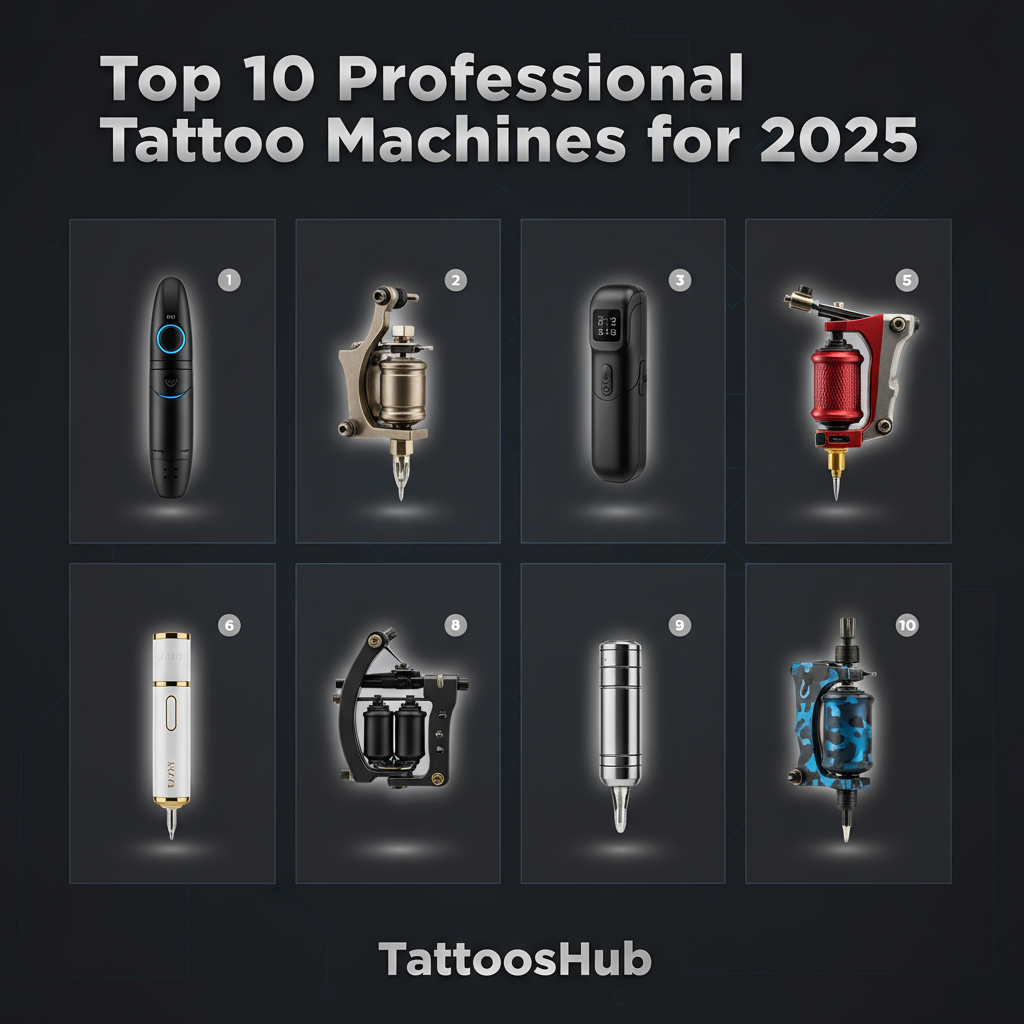
1. Cheyenne SOL Nova V2: The All-Around Champion
This machine does everything well.
- Lining, shading, color packing.
- Comfortable for marathon sessions.
- Reliable as sunrise.
Why it works:
- Ergonomic design reduces hand fatigue
- Power and precision for any tattoo style
- Smooth transitions between techniques
- Proven track record in professional studios
Best for: Artists who want one machine that handles everything.
Price point: Premium, but worth every penny.
2. FK Irons Flux Max: Wireless Powerhouse
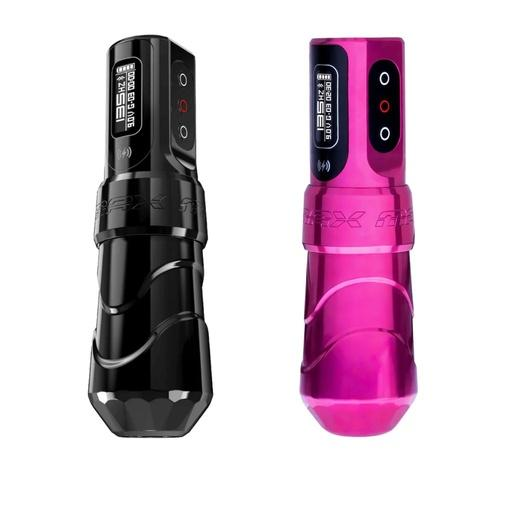
The Flux Max changed my opinion on wireless machines.
Unmatched performance without cords getting in the way.
What makes it special:
- Wireless rotary design with serious power
- Freedom of movement around the client
- Consistent performance even at high speeds
- Professional-grade reliability
Real experience: I used this for a 12-hour back piece. Battery lasted the entire session. No performance drops. Client was comfortable the whole time.
Best for: Artists who do large-scale work and need mobility.
3. VOLTA Wireless Tattoo Pen: Tech That Actually Works
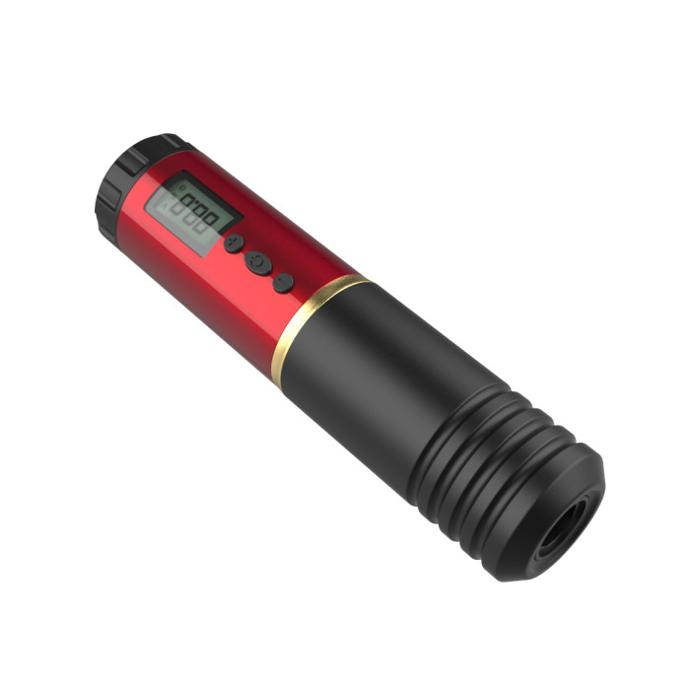
The VOLTA Pen gets wireless right.
Built-in display shows your exact settings. No guessing what speed you're running.
Standout features:
- 6-8 hours battery life with quick 2-3 hour recharge
- Integrated speed controls right on the machine
- Lightweight aluminum construction
- Two interchangeable batteries for non-stop work
- Compatible with most needle cartridges
Perfect for: Detail work and artists who switch between styles frequently.
4. FK Irons Spektra Flux: The Efficiency Machine
Lightweight and wireless without sacrificing power.
Superior ergonomics that your wrist will thank you for.
Why pros choose it:
- Quick task switching between lining and shading
- Minimal hand strain during long sessions
- Professional efficiency that saves time
- Reliable wireless performance
Best application: Fast-paced studios with high client volume.
5. Cheyenne Sol Nova Unlimited: Maximum Control
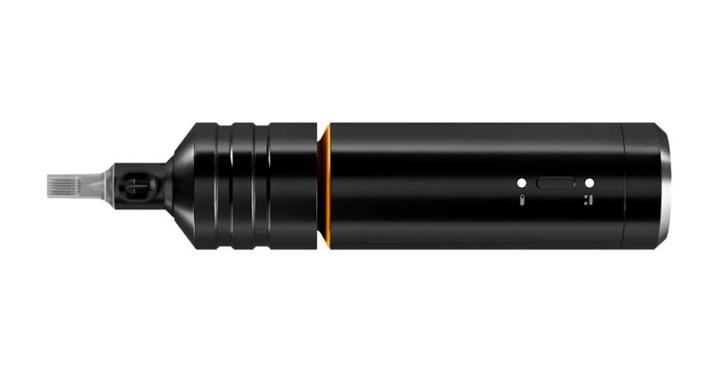
Revolutionary one-button operation simplifies everything.
Motion control technology adjusts automatically to your hand movement.
Professional advantages:
- Unmatched precision for intricate designs
- Consistent results across different artists
- Durable battery system for all-day use
- Maximum control over every line
Perfect for: Realism artists and detail-focused work.
6. ELETTRA Wireless Tattoo Pen: Best of Both Worlds
Dual power options give you flexibility.
Wireless when you need mobility. Corded when you want zero battery concerns.
Smart features:
- Powerful 4.6W motor handles any needle configuration
- 8-hour battery life with 90-minute quick charge
- Adjustable needle depth for different techniques
- Quiet operation for client comfort
Ideal for: Artists who want backup options and maximum versatility.
7. Cheyenne HAWK Pen: The Precision Tool
Pen-style design gives you pencil-like control.
Versatility and control in a lightweight package.
What sets it apart:
- Perfect for fine line work
- Detailed shading capabilities
- Comfortable extended use
- Proven reliability in professional settings
Best use case: Portrait work and fine detail tattoos.
8. FK Irons Spektra Xion: The Flexible Performer
Powerful yet lightweight combination.
Adjustable settings adapt to your style.
Professional benefits:
- Flexibility for various tattoo techniques
- Suitable for delicate lines and bold shading
- Lightweight comfort during long sessions
- Reliable performance across different needle types
Great for: Artists who do diverse tattoo styles.
9. Cheyenne Hawk Thunder: The Power Player
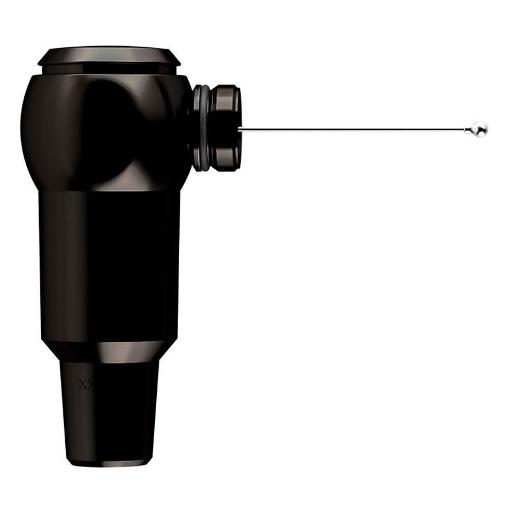
Consistent power with every single stroke.
Built for bold work that requires steady performance.
Key strengths:
- Ideal for lining and color packing
- Durable construction for heavy daily use
- Reliable performance under pressure
- Perfect for bold designs and traditional work
Best for: Traditional American, tribal, and bold graphic work.
10. Inkjecta Flite Nano Elite: The Lightweight Champion
Cutting-edge technology in a featherweight package.
Effortless switching between needles and techniques.
Why it works:
- Lightweight construction reduces fatigue
- Flexible needle compatibility
- Precision engineering for consistent results
- Professional-grade reliability
Perfect for: Artists who prioritize comfort and precision.
How to Choose the Right Professional Tattoo Machine
Match Machine to Your Style
- Realism and portraits: Precision machines with fine control (HAWK Pen, Sol Nova Unlimited)
- Traditional and bold work: Power machines for consistent lines (Hawk Thunder, Flux Max)
- Versatile artists: All-around performers (SOL Nova V2, Spektra Xion)
- Detail specialists: Lightweight precision tools (VOLTA Pen, Flite Nano Elite)
Budget vs. Performance Reality
- Premium machines ($800-$1,500) deliver professional results.
- Mid-range options ($400-$800) work for most applications.
- Budget machines ($200-$400) are false economy - you'll upgrade within 6 months.
- My advice: Buy once, cry once. Get the machine that fits your work style and stick with it.
Wireless vs. Corded Decision
Go wireless if:
- You do large pieces requiring mobility
- Your studio has limited power outlets
- You travel for conventions
- Cords interfere with your workflow
Stick with corded if:
- You prefer traditional setups
- Budget is tight (wireless costs more)
- You work in a fixed position
- You want zero battery concerns
Professional Tattoo Machine Maintenance
Daily Care That Extends Machine Life
Clean after every session.
Ink buildup kills motors. Neglect kills expensive machines.
Daily routine:
- Wipe down machine body with disinfectant
- Remove and clean grips and tubes
- Check for loose screws or connections
- Charge wireless machines overnight
When to Service vs. Replace
Service warning signs:
- Inconsistent needle movement
- Unusual noises during operation
- Reduced power at normal settings
- Overheating during use
Replace when:
- Repair costs exceed 50% of replacement cost
- Frequent breakdowns interrupt work
- Performance no longer meets professional standards
Where to Buy Professional Tattoo Machines
Trusted Suppliers for Quality Equipment
TattoosHub carries the complete selection of professional tattoo machines.
Why buy from established suppliers:
- Authentic products with full warranties
- Professional customer service from people who understand tattooing
- Bulk pricing for studio owners
- Technical support when you need help
Avoiding Counterfeit Equipment
Fake machines flood online marketplaces.
Red flags:
- Prices too good to be true
- Sellers without industry reputation
- Missing warranty information
- Poor English in product descriptions
Buy from suppliers with established reputations in the tattoo community.
Machine Setup and Optimization
Getting Maximum Performance
Proper needle depth settings make or break your work.
Start conservative and adjust based on skin response.
Voltage/speed settings:
- Lining: Higher speed, lighter touch
- Shading: Medium speed, consistent pressure
- Color packing: Lower speed, firm pressure
Test on practice skin before client work.
Troubleshooting Common Issues
Machine runs rough:
- Check needle cartridge installation
- Verify proper voltage settings
- Clean motor connections
Inconsistent lines:
- Adjust needle depth
- Check grip tightness
- Verify power supply stability
Battery drains fast:
- Reduce speed when possible
- Check for motor strain
- Replace aging batteries
Frequently Asked Questions
What's the minimum budget for starting a tattoo supply setup?
$1,500-$2,500 gets you a solid basic setup with quality equipment. Don't go cheaper - you'll just buy twice.
Should I buy disposable or reusable supplies?
Start with disposables while learning. Less sterilization hassle. Lower contamination risk. Switch to reusables once you've got your systems dialed in.
How often should I restock basic supplies?
Monthly restocking works for most artists. Track your usage for 2-3 months to find your rhythm. Always keep 2-week backup stock.
What's the most important supply investment?
Quality tattoo machines and premium inks. Everything else you can upgrade gradually. These two directly impact your work quality.
How do I know if my supplies are authentic?
- Buy from established suppliers with industry reputation.
- Check for proper certifications on inks and equipment.
- Avoid suspiciously cheap deals - they usually aren't.
Should I buy supplies locally or online?
Both have their place. Online for bulk orders and specialty items. Local for emergency restocks and relationship building.
What supplies do I need for different tattoo styles?
- Traditional/Bold work: Coil machines, round liners, solid black inks
- Realistic/Portrait work: Rotary machines, magnums, full color palette, skin tone sets
- Fine line/Minimalist: Rotary machines, small round liners, quality black ink
How do I manage inventory without overstocking?
- Track usage patterns for 2-3 months.
- Set reorder points before you run out.
- Buy frequently used items in bulk.
- Order specialty items as needed.
Conclusion
Building a professional tattoo supply setup doesn't have to drain your bank account or overwhelm your space.
Focus on quality over quantity. Master your basics before adding complexity. Source from suppliers who understand the industry.
The right tattoo supplies set you up for consistent, professional work that keeps clients coming back and builds your reputation in the industry.