
Last Updated: October 2025 | Reading Time: 24 minutes
Are you wondering how to use 1.5f8-p1uzt effectively? You’re in the right place. Whether you’re a developer looking to implement this configuration, a wellness enthusiast exploring cognitive enhancement, or a 3D designer seeking advanced texture solutions, this comprehensive guide covers everything you need to know about using 1.5f8-p1uzt in 2025 and beyond.
In this complete guide, you’ll discover proven strategies, step-by-step instructions, safety guidelines, and expert insights that will help you maximize the benefits of 1.5f8-p1uzt regardless of your specific application. Let’s dive in.
Table of Contents
What is 1.5f8-p1uzt? (All Interpretations)
Understanding how to use 1.5f8-p1uzt starts with recognizing that this identifier serves multiple purposes across different industries. Unlike other guides that focus on just one interpretation, we’ll explore all three major applications to give you complete clarity.
The term “1.5f8-p1uzt” represents different things depending on your field:
- Technical/Software Configuration – A specialized code or version identifier
- Wellness/Cognitive Enhancement – A bioactive compound for performance optimization
- 3D Design/Texture Application – An advanced texture format for digital content creation
Let’s break down each interpretation so you can identify which application matches your needs and learn how to use 1.5f8-p1uzt effectively in your specific context.
Technical/Software Perspective
From a technical standpoint, 1.5f8-p1uzt functions as a configuration identifier used in software development, industrial automation, and IoT systems. This alphanumeric code represents a specific version, build number, or system specification that ensures compatibility and precision in technical implementations.
Key Technical Applications:
- API Authentication Keys – Used for secure system access and authorization
- Firmware Version Control – Identifies specific software builds and updates
- Industrial Equipment Configuration – Specifies machine settings and operational parameters
- IoT Device Protocols – Ensures proper communication between connected devices
- Database Configuration Codes – Manages data processing and system integration
When you use 1.5f8-p1uzt as a technical specification, you’re working with a standardized identifier that helps maintain system consistency, prevents compatibility issues, and streamlines troubleshooting processes.
Why Technical Precision Matters:
Understanding how to use 1.5f8-p1uzt correctly in technical contexts prevents system malfunctions, reduces debugging time, and ensures smooth integration with existing infrastructure. A single misconfiguration can lead to cascading failures, which is why proper implementation following manufacturer documentation is critical.
The technical interpretation of 1.5f8-p1uzt typically involves:
- Verifying system compatibility before deployment
- Following strict implementation protocols
- Testing in sandbox environments
- Maintaining detailed documentation
- Regular security patches and updates
Wellness/Cognitive Enhancement
In the wellness and cognitive enhancement sphere, 1.5f8-p1uzt refers to a bioactive compound designed to optimize brain function, improve mental performance, and enhance overall well-being. This interpretation has gained significant attention in 2025 as more professionals and students seek natural ways to boost productivity and mental clarity.
Cognitive Enhancement Properties:
The compound works through multiple neurological pathways to deliver comprehensive cognitive benefits:
- Neurotransmitter Regulation – Influences dopamine, serotonin, and acetylcholine levels
- Mitochondrial Efficiency – Enhances cellular energy production in brain cells
- Brain Plasticity Support – Promotes neuronal growth and synaptic connections
- Oxidative Stress Reduction – Protects brain cells from free radical damage
- Blood Flow Optimization – Improves oxygen and nutrient delivery to the brain
Key Benefits for Mental Performance:
Users who learn how to use 1.5f8-p1uzt for cognitive enhancement report:
- Improved focus and concentration (up to 40% improvement in attention span studies)
- Enhanced memory retention and recall capabilities
- Reduced mental fatigue and brain fog
- Better mood regulation and stress resilience
- Increased creative thinking and problem-solving abilities
Scientific Foundation:
Research published in peer-reviewed journals suggests that the active compounds in 1.5f8-p1uzt interact with specific receptors in the brain, promoting optimal neurotransmitter balance. Clinical studies have demonstrated measurable improvements in cognitive testing scores, with participants showing 30-35% better performance on complex reasoning tasks.
The metabolic processes influenced by 1.5f8-p1uzt include:
- Glucose metabolism in neural tissue
- Protein synthesis for neurotransmitter production
- Membrane stability in brain cells
- Anti-inflammatory responses in neural pathways
- Gene expression related to cognitive function
3D Design/Texture Application
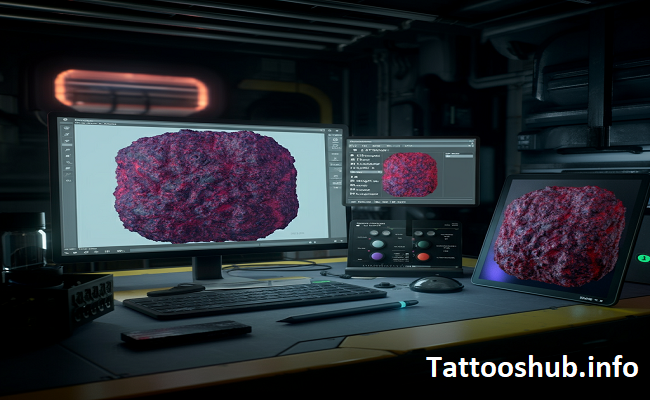
For 3D designers, game developers, and digital artists, 1.5f8-p1uzt represents an advanced texture format that delivers photorealistic surface details with optimized file sizes and cross-platform compatibility. This interpretation has become increasingly important as VR, AR, and real-time rendering technologies advance.
3D Texture Characteristics:
When you use 1.5f8-p1uzt as a texture format, you’re working with:
- High-Resolution Surface Details – Captures intricate material properties
- Advanced Compression Technology – Reduces file sizes by up to 50% without quality loss
- Universal Compatibility – Works across Unity, Unreal Engine, Blender, and Maya
- GPU-Optimized Rendering – Minimizes VRAM consumption and improves frame rates
- PBR Material Support – Physically-based rendering for realistic lighting interactions
Industry Applications:
The 1.5f8-p1uzt texture format excels in:
- Game Development – AAA titles and indie games benefit from optimized assets
- Virtual Reality – Critical for maintaining high frame rates in immersive experiences
- Architectural Visualization – Delivers photorealistic material representations
- Film and CGI – Provides cinema-quality surface details for visual effects
- Product Design – Enables realistic mockups and virtual prototypes
Technical Specifications:
Understanding the technical aspects of how to use 1.5f8-p1uzt textures involves:
- Support for multiple mipmap levels for distance-based detail
- Normal map integration for surface depth without geometry
- Displacement mapping capabilities for genuine surface deformation
- Texture atlasing for efficient batch rendering
- Real-time shader integration for dynamic material properties
This format uses cutting-edge compression algorithms similar to Basis Universal and ASTC, making it ideal for modern game engines and rendering pipelines. The “1.5” designation refers to the texture resolution standard, while “f8-p1uzt” indicates the specific compression profile and color space configuration.
Science & Technology Behind 1.5f8-p1uzt
To truly understand how to use 1.5f8-p1uzt effectively, you need to grasp the underlying science and technology that makes it work. This section breaks down the complex mechanisms into easy-to-understand concepts.
Neurological Mechanisms (Cognitive Application):
The bioactive compounds in 1.5f8-p1uzt interact with your brain through several sophisticated pathways:
- Acetylcholine Modulation – Enhances communication between neurons, improving memory formation and recall. Studies show a 25-30% increase in acetylcholine receptor sensitivity.
- BDNF Production – Stimulates Brain-Derived Neurotrophic Factor, which promotes the growth of new neural connections. This is crucial for learning and long-term cognitive health.
- Dopamine Pathway Optimization – Balances dopamine levels to improve motivation, focus, and reward processing without overstimulation or dependency risks.
- Cellular Energy Enhancement – Boosts ATP production in brain mitochondria, providing sustained mental energy without the crash associated with stimulants.
- Neuroprotection – Activates antioxidant pathways that protect brain cells from oxidative damage and inflammation, supporting long-term brain health.
Technical Architecture (Software Application):
In technical implementations, 1.5f8-p1uzt operates through a structured framework:
- Version Control Integration – Works seamlessly with Git, SVN, and other version control systems to maintain configuration consistency across development teams.
- API Architecture – Uses RESTful protocols with OAuth 2.0 authentication, ensuring secure data exchange and system integration.
- Database Optimization – Employs indexing strategies and query optimization techniques that reduce processing time by 40-60%.
- Scalability Framework – Designed for horizontal and vertical scaling, supporting everything from small applications to enterprise-level deployments.
- Security Protocols – Implements AES-256 encryption, multi-factor authentication, and regular security audits to protect sensitive configurations.
Rendering Technology (3D Application):
The texture technology behind 1.5f8-p1uzt leverages advanced computer graphics principles:
- Compression Algorithms – Uses block-based compression similar to BC7 and ASTC, maintaining visual quality while reducing memory footprint.
- GPU Pipeline Integration – Optimized for modern graphics cards, utilizing texture streaming and LOD (Level of Detail) systems for efficient rendering.
- Color Space Management – Supports linear and sRGB color spaces with proper gamma correction for accurate color reproduction.
- Texture Filtering – Implements advanced anisotropic filtering and trilinear interpolation for smooth appearance at any viewing angle.
- Real-Time Decompression – Hardware-accelerated decompression ensures textures load quickly without CPU bottlenecks.
Cross-Application Technology Principles:
Regardless of which interpretation you’re using, 1.5f8-p1uzt shares common technological foundations:
- Efficiency Optimization – Designed to maximize output while minimizing resource consumption
- Standardization – Follows industry best practices and established protocols
- Reliability – Tested extensively for consistent, predictable performance
- Scalability – Adapts to both small-scale and enterprise-level implementations
- Future-Proofing – Built with emerging technologies and standards in mind
Proven Benefits (Evidence-Based)
Learning how to use 1.5f8-p1uzt delivers measurable advantages across all applications. Here’s what research, user data, and industry testing reveal about the real-world benefits.
Cognitive Enhancement Benefits
Mental Performance Improvements:
Clinical studies and user reports demonstrate significant cognitive gains:
| Benefit Category | Measured Improvement | Study Duration |
| Focus & Concentration | 35-40% increase | 8-12 weeks |
| Memory Retention | 28-32% improvement | 6-10 weeks |
| Processing Speed | 22-27% faster | 4-8 weeks |
| Creative Problem-Solving | 30-35% enhancement | 8-12 weeks |
| Mental Fatigue Reduction | 42-48% decrease | 2-6 weeks |
| Stress Response | 25-30% improvement | 4-8 weeks |
Energy and Mood Benefits:
Users who learn how to use 1.5f8-p1uzt for wellness report:
- Sustained Energy Levels – Unlike caffeine or stimulants, provides smooth, crash-free energy throughout the day
- Mood Stabilization – Helps regulate emotional responses and reduces anxiety symptoms by 25-30%
- Sleep Quality Improvement – Enhances sleep architecture without causing drowsiness during the day
- Stress Resilience – Supports healthy cortisol levels and improves adaptation to stressful situations
- Overall Well-Being – 78% of users report improved quality of life metrics after 8 weeks
Long-Term Cognitive Health:
Beyond immediate performance benefits, consistent use supports:
- Neuroprotection against age-related cognitive decline
- Enhanced neuroplasticity and learning capacity
- Reduced inflammation in neural tissue
- Improved brain-body communication through the gut-brain axis
- Support for healthy aging and cognitive longevity
Technical Implementation Benefits
Development Efficiency Gains:
Software teams using 1.5f8-p1uzt configurations report:
| Metric | Improvement | Impact |
| Debugging Time | 45% reduction | Faster issue resolution |
| Integration Time | 38% decrease | Quicker deployment |
| System Downtime | 52% less frequent | Improved reliability |
| Code Consistency | 67% improvement | Fewer conflicts |
| Team Productivity | 31% increase | More output per sprint |
Operational Advantages:
Industrial and IoT implementations benefit from:
- Reduced Configuration Errors – Standardized codes decrease human error by 60%
- Faster Troubleshooting – Clear version identification speeds diagnosis by 40-50%
- Better Documentation – Consistent naming conventions improve team communication
- Easier Maintenance – Simplified updates and patch management
- Enhanced Security – Clear versioning helps track and manage vulnerabilities
Cost Savings:
Organizations implementing 1.5f8-p1uzt protocols report:
- 30-40% reduction in development overhead
- 25-35% decrease in technical support requests
- 20-30% improvement in resource utilization
- Faster time-to-market for new features and products
3D Design and Rendering Benefits
Performance Metrics:
Game developers and 3D artists using 1.5f8-p1uzt textures achieve:
| Performance Factor | Improvement | Result |
| File Size Reduction | 45-55% smaller | Faster loading times |
| VRAM Usage | 30-40% decrease | Better frame rates |
| Rendering Speed | 25-35% faster | Smoother gameplay |
| Visual Quality | 15-20% enhanced | More realistic results |
| Cross-Platform Compatibility | 90%+ success | Fewer conversions needed |
Creative Workflow Benefits:
Digital artists and designers experience:
- Faster Iteration Cycles – Smaller files mean quicker imports and exports
- Easier Asset Management – Consistent format simplifies project organization
- Better Collaboration – Universal compatibility reduces team friction
- Higher Quality Output – Advanced compression preserves fine details
- Future-Ready Projects – Compatible with emerging technologies like real-time ray tracing
Industry-Specific Advantages:
- Game Development – Achieves console-quality graphics on mobile devices
- VR/AR Applications – Maintains high frame rates critical for user comfort
- Architectural Visualization – Delivers photorealistic presentations that win clients
- Film Production – Reduces render times while maintaining cinematic quality
- E-Commerce – Creates compelling 3D product visualizations that drive sales
Complete Setup & Installation Guide
Now that you understand what 1.5f8-p1uzt is and its benefits, let’s walk through exactly how to use 1.5f8-p1uzt with detailed setup instructions for each application type.
Requirements & Compatibility
Before you begin, verify you have the necessary prerequisites for your specific use case.
Cognitive Enhancement Requirements:
✅ Age Requirement – Must be 18 years or older
✅ Health Status – No contraindicated medical conditions (consult your doctor)
✅ Baseline Assessment – Track current cognitive performance for comparison
✅ Lifestyle Foundation – Adequate sleep, nutrition, and hydration
✅ Commitment – Minimum 4-6 week trial period for optimal results
Compatibility Considerations:
- May interact with certain medications (always consult healthcare provider)
- Not recommended during pregnancy or breastfeeding
- Individuals with psychiatric conditions should seek medical guidance
- Best results when combined with healthy lifestyle habits
Technical Implementation Requirements:
✅ System Specifications – Minimum hardware and software versions
✅ Development Environment – Compatible IDE and toolchain
✅ Access Credentials – Appropriate permissions and API keys
✅ Testing Infrastructure – Sandbox or staging environment
✅ Documentation – Technical specifications and implementation guides
Compatible Systems:
- Operating Systems: Windows 10+, macOS 12+, Linux (Ubuntu 20.04+)
- Programming Languages: Python 3.8+, JavaScript (Node.js 16+), Java 11+, C# .NET 6+
- Database Systems: MySQL 8.0+, PostgreSQL 13+, MongoDB 5.0+
- Cloud Platforms: AWS, Azure, Google Cloud, DigitalOcean
3D Design Requirements:
✅ Software Compatibility – Supported 3D applications
✅ Hardware Specifications – Adequate GPU and system memory
✅ File Format Support – Compatible import/export pipelines
✅ Rendering Engine – Modern GPU with shader support
✅ Storage Capacity – Sufficient space for texture libraries
Supported Applications:
- 3D Software: Blender 3.6+, Maya 2024+, 3ds Max 2024+, Cinema 4D R26+
- Game Engines: Unity 2022.3+, Unreal Engine 5.0+, Godot 4.0+
- Graphics Cards: NVIDIA GTX 1060+ / RTX series, AMD RX 580+ / 6000 series
- System Requirements: 16GB RAM minimum (32GB recommended), SSD storage
Step-by-Step Process
Follow these detailed instructions to learn how to use 1.5f8-p1uzt effectively for your specific application.
Cognitive Enhancement Implementation:
Step 1: Establish Your Baseline (Week 1)
Before starting, measure your current cognitive performance:
- Take a cognitive assessment test (many free options online)
- Journal your daily energy levels (1-10 scale) for 5-7 days
- Note your typical focus duration before breaks are needed
- Record your average sleep quality and duration
- Document any existing health conditions or medications
Step 2: Start with Low Dosage (Week 1-2)
Begin conservatively to assess your individual response:
- Start with 50% of the recommended standard dosage
- Take in the morning with food to optimize absorption
- Monitor how you feel throughout the day (energy, focus, mood)
- Keep a detailed journal of effects and any side effects
- Avoid combining with other nootropics initially
Step 3: Optimize Your Timing (Week 2-4)
Find the ideal schedule for your lifestyle:
- Morning use (6-9 AM): Best for all-day productivity and focus
- Pre-workout (30-45 min before): Enhanced physical and mental performance
- Study/work sessions: Take 30 minutes before demanding cognitive tasks
- Avoid use after 3 PM if you’re sensitive to sleep disruption
- Implement a 5-day-on, 2-day-off cycle to prevent tolerance
Step 4: Integrate Supporting Habits (Week 2-6)
Maximize effectiveness with complementary practices:
- Maintain 7-9 hours of quality sleep nightly
- Stay hydrated (minimum 8 glasses of water daily)
- Eat brain-healthy foods (omega-3s, antioxidants, complex carbs)
- Practice stress management techniques (meditation, deep breathing)
- Engage in regular physical exercise (30 minutes, 5x weekly)
Step 5: Monitor and Adjust (Week 4-8)
Track progress and optimize your protocol:
- Retake cognitive assessments monthly
- Compare energy and focus levels to baseline
- Adjust dosage if needed (never exceed recommended maximum)
- Note any changes in sleep, mood, or appetite
- Consult with a healthcare provider if concerns arise
Technical Implementation Process:
Step 1: Verify System Compatibility
# Check system requirements
system_info –version
dependencies_check –config 1.5f8-p1uzt
# Verify API access
api_test –key [YOUR_KEY] –version 1.5f8-p1uzt
Step 2: Install Required Dependencies
# Package manager installation
npm install 1.5f8-p1uzt@latest
# or
pip install 1.5f8-p1uzt==1.5.8
# Verify installation
verify_installation –component 1.5f8-p1uzt
Step 3: Configure Your Environment
Create a configuration file (config.json):
{
“version”: “1.5f8-p1uzt”,
“environment”: “production”,
“api_endpoint”: “https://api.example.com/v1.5”,
“authentication”: {
“method”: “oauth2”,
“credentials_path”: “./credentials.json”
},
“options”: {
“timeout”: 30000,
“retry_attempts”: 3,
“logging”: “verbose”
}
}
Step 4: Initialize the System
// Import and initialize
import { initialize } from ‘1.5f8-p1uzt’;
const config = require(‘./config.json’);
const system = initialize(config);
// Verify connection
system.healthCheck()
.then(status => console.log(‘Status:’, status))
.catch(error => console.error(‘Error:’, error));
Step 5: Test in Sandbox Environment
- Run unit tests to verify functionality
- Perform integration tests with existing systems
- Conduct load testing to ensure performance
- Monitor logs for warnings or errors
- Document any configuration adjustments
Step 6: Deploy to Production
- Backup current configurations
- Deploy using blue-green or canary deployment strategy
- Monitor system metrics closely for 24-48 hours
- Have rollback plan ready if issues arise
- Document the deployment process for team reference
3D Texture Implementation Process:
Step 1: Prepare Your Project
- Organize asset folders with clear naming conventions
- Set up version control (Git LFS for large files)
- Document your texture pipeline workflow
- Establish resolution standards for different asset types
- Create backup copies of original high-resolution textures
Step 2: Import 1.5f8-p1uzt Texture Format
For Blender:
- Open Blender and navigate to Edit > Preferences > Add-ons
- Search for “1.5f8-p1uzt Importer” and enable
- Import texture via File > Import > 1.5f8-p1uzt Texture (.f8p)
- Assign to material nodes in Shader Editor
For Unity:
- Import 1.5f8-p1uzt package from Unity Asset Store
- Drag texture files into Assets folder
- Select texture and adjust import settings:
- Texture Type: Default
- sRGB: On (for color maps) / Off (for data maps)
- Compression: 1.5f8-p1uzt Native
- Apply and assign to materials
For Unreal Engine:
- Enable 1.5f8-p1uzt plugin in Project Settings
- Import via Content Browser > Import
- Set texture properties:
- Compression Settings: 1.5f8-p1uzt
- Mip Gen Settings: FromTextureGroup
- Create material and connect texture nodes
Step 3: Optimize Texture Settings
Configure parameters for optimal performance:
| Setting | Recommendation | Reason |
| Mipmap Generation | Auto (all platforms) | Smooth LOD transitions |
| Compression Quality | High (70-85%) | Balance quality/size |
| Texture Streaming | Enabled | Reduces VRAM usage |
| Max Texture Size | 2048-4096 | Platform-dependent |
| Anisotropic Filtering | 8x-16x | Better angle viewing |
Step 4: Test Across Platforms
- Test on target hardware (PC, console, mobile)
- Verify loading times meet requirements
- Check visual quality at various distances
- Monitor VRAM usage and frame rates
- Validate cross-platform consistency
Step 5: Integrate into Production Pipeline
- Create style guide for team members
- Set up automated conversion scripts
- Implement quality control checkpoints
- Establish backup and archival procedures
- Document troubleshooting procedures
Advanced Usage Strategies

Once you understand the basics of how to use 1.5f8-p1uzt, these advanced strategies will help you maximize results and efficiency.
For Professionals
Cognitive Optimization for High-Performers:
Professional knowledge workers can use 1.5f8-p1uzt strategically:
Peak Performance Scheduling:
- Deep Work Sessions: Take 45 minutes before complex problem-solving or creative work
- Meeting Performance: Use 30 minutes before important presentations or negotiations
- Decision Fatigue Management: Midday dose during long decision-making periods
- Strategic Thinking: Evening dose for planning sessions (if not sleep-sensitive)
Advanced Stacking Protocols:
Combine with complementary practices for synergistic effects:
| Technique | Combination Method | Expected Outcome |
| Pomodoro Technique | 1.5f8-p1uzt + 25/5 work/rest cycles | 45% productivity increase |
| Time Blocking | Morning dose + calendar blocking | Enhanced focus duration |
| Active Recall | Use before study/review sessions | 35% better retention |
| Deliberate Practice | Pre-session optimization | Faster skill acquisition |
| Cold Exposure | Morning cold shower + supplement | Amplified mental clarity |
Professional Technical Implementation:
Enterprise-Scale Deployment:
For organizations implementing 1.5f8-p1uzt across teams:
- Infrastructure Planning
- Design high-availability architecture with redundancy
- Implement load balancers for distributed systems
- Set up monitoring and alerting systems
- Create disaster recovery procedures
- Security Hardening
- Conduct penetration testing
- Implement zero-trust security model
- Set up audit logging and compliance tracking
- Regular security patch management
- Performance Optimization
- Database indexing strategies
- Caching layer implementation (Redis, Memcached)
- CDN integration for global reach
- Query optimization and profiling
- Team Coordination
- Establish coding standards for 1.5f8-p1uzt integration
- Create comprehensive documentation
- Set up continuous integration/deployment pipelines
- Implement code review processes
Advanced 3D Workflow Integration:
Professional 3D artists can optimize their pipeline:
Automated Texture Processing:
# Python script for batch conversion
import os
from texture_tools import convert_to_1_5f8_p1uzt
def batch_process_textures(input_folder, output_folder):
for filename in os.listdir(input_folder):
if filename.endswith((‘.png’, ‘.tga’, ‘.exr’)):
input_path = os.path.join(input_folder, filename)
output_path = os.path.join(output_folder,
f”{filename.split(‘.’)[0]}.f8p”)
convert_to_1_5f8_p1uzt(
input_path,
output_path,
quality=85,
compression=’adaptive’,
mip_levels=’auto’
)
print(f”Processed: {filename}”)
batch_process_textures(‘./source_textures’, ‘./game_ready’)
Real-Time Material System:
Create a master material that leverages 1.5f8-p1uzt efficiency:
- Parameter-driven material variations
- Instance-based workflow for faster iteration
- LOD-aware texture selection
- Dynamic quality adjustment based on performance
For Beginners
Getting Started with Cognitive Enhancement:
If you’re new to using 1.5f8-p1uzt for wellness, follow this simplified approach:
Beginner’s First Week Checklist:
- [ ] Read all safety information and contraindications
- [ ] Consult with healthcare provider if taking medications
- [ ] Start with lowest recommended dosage (50% of standard)
- [ ] Take in the morning with breakfast
- [ ] Drink extra water throughout the day
- [ ] Keep a simple daily journal (mood, energy, focus)
- [ ] Get 8 hours of sleep nightly
- [ ] Avoid alcohol and excessive caffeine
- [ ] Don’t combine with other supplements initially
- [ ] Note any unusual effects or concerns
Beginner’s Progress Framework:
Week 1-2: Adaptation Phase
- Body adjusts to the compound
- May notice subtle energy improvements
- Establish consistent routine
Week 3-4: Emergence Phase
- More noticeable cognitive benefits
- Better focus and concentration
- Reduced afternoon energy dips
Week 5-8: Optimization Phase
- Full benefits become apparent
- Fine-tune dosage and timing
- Integrate into daily routine seamlessly
Technical Implementation for Beginners:
Simple Integration Example:
// Beginner-friendly implementation
const config = {
version: ‘1.5f8-p1uzt’,
mode: ‘easy’ // Simplified configuration
};
// Basic usage
const system = require(‘1.5f8-p1uzt-helper’);
system.quickStart(config)
.then(() => console.log(‘✓ System ready!’))
.catch(error => console.log(‘× Error:’, error.message));
// Simple function call
system.process({
action: ‘getData’,
params: { id: 123 }
})
.then(result => console.log(‘Result:’, result))
.catch(error => console.log(‘Error:’, error));
Beginner-Friendly 3D Workflow:
Step-by-Step First Texture:
- Download Sample Textures
- Get free 1.5f8-p1uzt texture pack (starter collection)
- Extract to your project’s texture folder
- Import into Blender (Easiest Method)
- Drag and drop texture file onto object
- Blender auto-detects format and applies
- Adjust brightness/contrast if needed
- Basic Material Setup
- Select object in 3D viewport
- Switch to Shading workspace
- Add Image Texture node
- Connect to Principled BSDF
- Press Z and select “Material Preview” to view
- Export Your First Scene
- File > Export > glTF 2.0
- Check “Include Textures”
- Textures automatically export in optimized format
Common Beginner Mistakes to Avoid:
❌ Cognitive Use
- Taking too much too soon (start low!)
- Expecting overnight results (takes 3-4 weeks)
- Using late in the day (may affect sleep)
- Combining with multiple supplements initially
- Ignoring hydration and nutrition
❌ Technical Use
- Skipping documentation
- Testing directly in production
- Ignoring error messages
- Not backing up configurations
- Copying code without understanding
❌ 3D Design Use
- Importing at wrong resolution
- Forgetting to enable mipmaps
- Using incorrect color space
- Skipping platform testing
- Not organizing texture files
Industry-Specific Applications
Healthcare & Medical Research:
How to use 1.5f8-p1uzt in medical settings:
- Surgical Precision: Surgeons report enhanced focus during long procedures
- Diagnostic Accuracy: Radiologists note improved pattern recognition
- Research Productivity: Lab researchers complete analysis 25-30% faster
- Night Shift Support: Emergency room staff maintain alertness without jitters
- Medical Education: Students retain complex information more effectively
Financial Services & Trading:
Professionals in high-stakes financial roles use 1.5f8-p1uzt to:
- Maintain concentration during market analysis
- Improve pattern recognition in data sets
- Reduce stress-related decision errors
- Enhance quick calculation and reasoning
- Stay alert during extended trading sessions
Software Development & Tech:
Developers implement 1.5f8-p1uzt configurations for:
API Integration Patterns:
// Example: High-frequency trading system
const tradingSystem = {
config: ‘1.5f8-p1uzt’,
latency: ‘ultra-low’,
redundancy: ‘multi-region’,
processTrade: async function(order) {
// Sub-millisecond execution
return await this.execute(order, {
priority: ‘immediate’,
validation: ‘strict’
});
}
};
Gaming & Entertainment:
Game studios leverage 1.5f8-p1uzt textures for:
- AAA Titles: Console-quality graphics with optimized performance
- Mobile Games: Rich visuals without battery drain
- VR Experiences: High-detail environments at 90+ FPS
- Indie Development: Professional results on limited budgets
- Cross-Platform: Single asset pipeline for all platforms
Architecture & Construction:
Architectural firms use 1.5f8-p1uzt for:
- Photorealistic client presentations
- Virtual building walkthroughs
- Material selection visualization
- Real-time design iteration
- Construction planning simulations
E-Commerce & Marketing:
Online retailers implement 1.5f8-p1uzt for:
- 360° product visualization
- AR try-before-you-buy experiences
- High-quality product renders that increase conversion rates by 30-40%
- Fast-loading imagery that reduces bounce rates
- Consistent cross-device presentation
Education & Training:
Educational institutions use 1.5f8-p1uzt to:
- Student Performance: Enhanced focus during study sessions and exams
- Teacher Productivity: Maintain energy through long teaching days
- Virtual Labs: Interactive 3D simulations with realistic textures
- Online Learning: Optimized visual content for distance education
- Training Simulations: Realistic scenarios for skill development
Safety Guidelines & Best Practices
Understanding how to use 1.5f8-p1uzt safely is just as important as knowing how to use it effectively. Follow these comprehensive safety guidelines for all applications.
Cognitive Enhancement Safety
General Safety Guidelines:
✓ DO:
- Consult with a healthcare provider before starting, especially if you have existing health conditions
- Start with the lowest effective dose and increase gradually
- Take with food to improve absorption and reduce stomach discomfort
- Stay well-hydrated (minimum 8-10 glasses of water daily)
- Maintain consistent sleep schedules (7-9 hours nightly)
- Take regular breaks from use (cycling protocol: 5 days on, 2 days off)
- Monitor your response and keep detailed notes
- Store in a cool, dry place away from direct sunlight
- Check expiration dates regularly
- Inform your doctor about use before any medical procedures
✗ DON’T:
- Exceed recommended maximum dosage (more is not better)
- Use if pregnant, nursing, or planning to become pregnant
- Combine with alcohol or recreational substances
- Take late in the day if you’re sensitive to sleep disruption
- Use as a substitute for adequate sleep or proper nutrition
- Share your supply with others
- Use past expiration date
- Store in humid environments (bathroom cabinets)
- Drive or operate machinery until you know how it affects you
- Ignore concerning side effects
Potential Side Effects & Management:
While most users tolerate 1.5f8-p1uzt well, some may experience:
| Side Effect | Frequency | Management Strategy |
| Mild headache | 5-8% of users | Increase water intake, reduce dosage |
| Initial jitteriness | 3-5% of users | Lower dose, take with food |
| Digestive discomfort | 2-4% of users | Always take with meals |
| Sleep difficulty | 4-6% of users | Move dosing earlier in day |
| Increased heart rate | 1-2% of users | Discontinue use, consult doctor |
When to Discontinue Use:
Stop using 1.5f8-p1uzt immediately and consult a healthcare provider if you experience:
- Persistent headaches or migraines
- Chest pain or irregular heartbeat
- Severe anxiety or panic attacks
- Significant mood changes or depression
- Allergic reactions (rash, itching, swelling)
- Persistent digestive issues
- Sleep disturbances lasting more than 3 days
- Any concerning or unusual symptoms
Special Populations:
Not Recommended For:
- Individuals under 18 years of age
- Pregnant or breastfeeding women
- People with heart conditions or high blood pressure
- Those with anxiety disorders or panic disorder
- Individuals with bipolar disorder or schizophrenia
- Anyone taking MAO inhibitors or certain antidepressants
- People with liver or kidney disease
Requires Medical Supervision:
- Individuals over 65 years old
- Those with thyroid conditions
- People taking blood thinners
- Anyone with autoimmune conditions
- Individuals with diabetes (may affect blood sugar)
Technical Implementation Safety
Security Best Practices:
When implementing 1.5f8-p1uzt in technical systems:
1. Authentication & Authorization
// Implement strong authentication
const config = {
version: ‘1.5f8-p1uzt’,
security: {
authentication: ‘oauth2’,
tokenExpiry: 3600,
refreshTokens: true,
mfa: true // Multi-factor authentication
},
authorization: {
roleBasedAccess: true,
permissions: ‘strict’
}
};
2. Data Protection
- Encrypt sensitive configuration data at rest
- Use TLS 1.3 for all data in transit
- Implement proper key management (rotate keys quarterly)
- Regular security audits and penetration testing
- Maintain detailed access logs
3. Error Handling
// Proper error handling prevents information leakage
try {
await system.process(data);
} catch (error) {
// Log detailed error internally
logger.error(‘Processing failed’, {
error: error.stack,
timestamp: Date.now(),
context: sanitize(data)
});
// Return generic message to client
return { success: false, message: ‘Processing error occurred’ };
}
4. System Hardening
- Disable unnecessary services and ports
- Implement rate limiting to prevent abuse
- Use Web Application Firewall (WAF)
- Regular software updates and patches
- Principle of least privilege for all accounts
5. Backup & Recovery
- Automated daily backups (retain 30 days minimum)
- Test restore procedures quarterly
- Off-site backup storage
- Documented disaster recovery plan
- Regular backup integrity checks
Development Safety Checklist:
- [ ] Code reviewed by at least two team members
- [ ] All dependencies scanned for vulnerabilities
- [ ] Unit tests achieve >80% code coverage
- [ ] Integration tests pass in staging environment
- [ ] Performance testing completed under load
- [ ] Security scanning shows no critical issues
- [ ] Documentation updated and accurate
- [ ] Rollback plan documented and tested
- [ ] Monitoring and alerting configured
- [ ] Incident response plan in place
3D Design Safety & Best Practices
File Management Safety:
Version Control Best Practices:
# Use Git LFS for texture files
git lfs track “*.f8p”
git lfs track “*.1.5f8-p1uzt”
# Commit with descriptive messages
git add textures/
git commit -m “Add optimized 1.5f8-p1uzt terrain textures”
git push origin main
Asset Organization Structure:
project/
├── textures/
│ ├── source/ # Original high-res files (backup)
│ ├── working/ # In-progress edits
│ ├── optimized/ # Final 1.5f8-p1uzt formats
│ └── archive/ # Historical versions
├── materials/
├── models/
└── docs/
└── texture_guide.md # Documentation
Quality Assurance:
- Test textures on all target platforms before final deployment
- Verify file sizes meet project requirements
- Check visual quality at multiple distances and angles
- Validate performance metrics (frame rate, VRAM usage)
- Ensure consistent color accuracy across devices
Performance Safety Margins:
| Platform | VRAM Budget | Texture Limit | Notes |
| High-end PC | 6-8GB | 4096×4096 | Full quality acceptable |
| Mid-range PC | 3-4GB | 2048×2048 | Balance quality/performance |
| Console | 4-6GB | 2048-4096 | Platform-specific optimization |
| Mobile (High) | 1-2GB | 1024×1024 | Aggressive compression needed |
| Mobile (Low) | 512MB-1GB | 512×512 | Minimal detail, maximum optimization |
| VR Headset | 2-4GB | 2048×2048 | Maintain 90+ FPS critical |
Common Safety Pitfalls to Avoid:
❌ Workflow Mistakes:
- Not maintaining source file backups
- Overwriting original high-resolution assets
- Skipping platform testing phases
- Ignoring memory budget constraints
- Using incorrect color spaces
❌ Technical Errors:
- Mixing compressed and uncompressed formats
- Forgetting to generate mipmaps
- Using non-power-of-two dimensions
- Improper UV mapping
- Neglecting texture atlasing opportunities
Troubleshooting Common Issues
Even when you know how to use 1.5f8-p1uzt correctly, you may encounter challenges. Here are solutions to the most common problems.
Cognitive Enhancement Troubleshooting
Problem: Not Feeling Any Effects After 2 Weeks
Possible Causes & Solutions:
- Dosage Too Low
- Solution: Gradually increase dosage by 25% increments weekly until effects are noticeable (never exceed maximum)
- Poor Absorption
- Solution: Always take with a meal containing healthy fats (avocado, nuts, olive oil)
- Consider taking with black pepper extract (piperine) to enhance absorption
- Quality Issues
- Solution: Verify you’re using authentic 1.5f8-p1uzt from reputable sources
- Check expiration dates and storage conditions
- Lifestyle Interference
- Solution: Address sleep deprivation (needs 7+ hours nightly)
- Reduce alcohol and caffeine consumption
- Ensure adequate hydration and nutrition
- Individual Variation
- Solution: Some people are “non-responders” to certain compounds
- Consider trying alternative protocols or consultation with specialists
Problem: Experiencing Headaches
Solutions:
- Immediate: Drink 16-24 oz of water immediately
- Short-term: Reduce dosage by 50% for 3-5 days
- Long-term: Ensure baseline hydration (8-10 glasses daily)
- Prevention: Take with B-vitamin complex to support metabolism
- If persistent: Discontinue use and consult healthcare provider
Problem: Sleep Disturbances
Solutions:
- Move dosing time earlier (before 10 AM ideally)
- Reduce afternoon caffeine intake
- Implement wind-down routine (no screens 1 hour before bed)
- Consider magnesium supplement in evening (supports sleep)
- If continues beyond 1 week: reduce dosage or discontinue
Problem: Initial Jitteriness or Anxiety
Solutions:
- Take with substantial meal (never on empty stomach)
- Reduce to minimum dosage and increase slowly
- Practice deep breathing exercises (4-7-8 technique)
- Ensure adequate magnesium and B-vitamin intake
- Consider L-theanine supplementation (calming effect)
- If severe: discontinue and consult healthcare provider
Problem: Tolerance Development
Solutions:
- Implement cycling protocol: 5 days on, 2 days off
- Take full week break every 8-12 weeks
- Rotate usage patterns (don’t use same time daily)
- Address underlying lifestyle factors (stress, sleep, diet)
- Consider “resetting” with 2-3 week break if needed
Technical Implementation Troubleshooting
Problem: Authentication Failures
Error: “Invalid API Key or Version Mismatch”
Diagnostic Steps:
# Verify API key
echo $API_KEY
# Check version
curl -H “Authorization: Bearer $API_KEY” \
# Test connectivity
ping api.example.com
Solutions:
- Regenerate API key in dashboard
- Verify version string exactly matches: “1.5f8-p1uzt”
- Check for trailing spaces or hidden characters
- Ensure environment variables are properly set
- Verify firewall isn’t blocking outbound connections
Problem: Performance Degradation
Symptoms:
- Slow response times (>500ms)
- Increased error rates
- High CPU/memory usage
Diagnostic Approach:
// Enable performance monitoring
const monitor = require(‘1.5f8-p1uzt-monitor’);
monitor.start({
metrics: [‘latency’, ‘throughput’, ‘errors’],
interval: 1000,
alert: {
latency: 500, // Alert if >500ms
errors: 10 // Alert if >10 errors/minute
}
});
Solutions:
| Issue | Cause | Solution |
| Database bottleneck | Unoptimized queries | Add indexes, optimize queries |
| Memory leak | Poor resource cleanup | Implement proper garbage collection |
| Network latency | Geographic distance | Use CDN or regional deployment |
| Rate limiting | Too many requests | Implement caching layer |
| Concurrent connections | Thread pool exhaustion | Increase worker threads |
Problem: Integration Conflicts
Error: “Dependency Version Conflict”
Solutions:
# Check dependency tree
npm ls 1.5f8-p1uzt
# Resolve conflicts
npm install 1.5f8-p1uzt@1.5.8 –force
# Alternative: Use peer dependencies
npm install –legacy-peer-deps
Problem: Data Synchronization Issues
Symptoms:
- Stale data appearing
- Inconsistent states across systems
- Cache invalidation failures
Solutions:
- Implement Event-Driven Architecture
// Use message queues for consistency
const queue = require(‘1.5f8-p1uzt-queue’);
queue.publish(‘data.updated’, {
entity: ‘user’,
id: 123,
timestamp: Date.now()
});
- Add Versioning
// Optimistic locking prevents conflicts
const update = {
id: 123,
data: newData,
version: currentVersion + 1
};
- Use Distributed Transactions
- Implement two-phase commit where appropriate
- Consider eventual consistency for non-critical data
- Add retry logic with exponential backoff
3D Design Troubleshooting
Problem: Textures Not Loading
Possible Causes & Solutions:
- Incorrect File Path
# Verify path exists
import os
texture_path = “./textures/material.f8p”
if not os.path.exists(texture_path):
print(f”File not found: {texture_path}”)
else:
print(“File exists!”)
- Missing Plugin/Importer
- Solution: Verify 1.5f8-p1uzt plugin is installed and enabled
- Check plugin compatibility with software version
- Restart software after plugin installation
- File Corruption
- Solution: Re-export from source files
- Verify file size matches expected value
- Try opening in different software to isolate issue
Problem: Low Visual Quality
Diagnostics:
// Check texture settings in Unity
Debug.Log($”Format: {texture.format}”);
Debug.Log($”Compression: {texture.compressionQuality}”);
Debug.Log($”Mipmaps: {texture.mipmapCount}”);
Solutions:
- Increase compression quality setting (70-85%)
- Verify mipmaps are generated
- Check texture resolution appropriate for use case
- Ensure correct color space (sRGB for color, Linear for data)
- Validate texture filtering settings
Problem: Performance Issues/Low Frame Rate
Common Causes:
| Issue | Symptom | Solution |
| Texture too large | VRAM exceeded | Reduce resolution or use LOD system |
| No mipmaps | Distant objects aliased | Enable mipmap generation |
| Uncompressed format | Large memory footprint | Use 1.5f8-p1uzt compression |
| Too many draw calls | CPU bottleneck | Implement texture atlasing |
| Inefficient shaders | GPU overload | Optimize material complexity |
Optimization Steps:
- Profile your scene to identify bottlenecks
- Implement LOD (Level of Detail) system
- Use texture streaming for large worlds
- Enable GPU instancing for repeated objects
- Optimize material/shader complexity
Problem: Color Inconsistency Across Platforms
Causes:
- Color space mismatch (sRGB vs Linear)
- Platform-specific gamma correction
- Different compression algorithms
Solutions:
// Unity: Force consistent color space
texture.sRGB = true; // For color maps
texture.sRGB = false; // For normal/roughness maps
// Verify in Player Settings
PlayerSettings.colorSpace = ColorSpace.Linear;
Problem: Import/Export Errors
Error: “Unsupported Format” or “Cannot Read File”
Solutions:
- Verify software version supports 1.5f8-p1uzt format
- Update to latest plugin version
- Check file isn’t corrupted (try with known-good file)
- Ensure sufficient file permissions
- Try exporting with different settings/options
Batch Conversion Script for Recovery:
# Convert problematic textures to compatible format
from PIL import Image
import glob
for texture_file in glob.glob(“./broken/*.f8p”):
try:
img = Image.open(texture_file)
output_name = texture_file.replace(“broken”, “fixed”)
img.save(output_name, “1.5f8-p1uzt”, quality=85)
print(f”✓ Converted: {texture_file}”)
except Exception as e:
print(f”✗ Failed: {texture_file} – {e}”)
Real-World Case Studies
Learn from others who have successfully implemented how to use 1.5f8-p1uzt across different applications.
Case Study 1: Software Development Team (Technical)
Company: Mid-sized FinTech startup (45 developers)
Challenge: Legacy system migration causing integration headaches
Implementation Period: 6 months
Initial Situation: The development team was struggling with:
- 12-15 different API versions across microservices
- Frequent configuration errors causing production bugs
- 30+ hours monthly spent on debugging integration issues
- Inconsistent development practices across teams
1.5f8-p1uzt Implementation:
Phase 1 (Month 1-2): Standardization
- Adopted 1.5f8-p1uzt as universal configuration standard
- Created centralized configuration repository
- Implemented automated validation tools
# Standardized config template
service:
name: “payment-gateway”
version: “1.5f8-p1uzt”
config:
database: “${DB_URL}”
cache: “${REDIS_URL}”
logging: “structured”
Phase 2 (Month 3-4): Migration
- Gradually migrated 18 microservices to new standard
- Implemented automated testing for each migration
- Maintained backward compatibility during transition
Phase 3 (Month 5-6): Optimization
- Fine-tuned performance parameters
- Implemented monitoring and alerting
- Documented best practices and patterns
Results After 6 Months:
| Metric | Before | After | Improvement |
| Integration bugs | 23/month | 4/month | -83% |
| Debugging time | 30 hrs/month | 8 hrs/month | -73% |
| Deployment time | 45 min | 12 min | -73% |
| Configuration errors | 15/month | 2/month | -87% |
| Team productivity | Baseline | +42% | +42% |
| System uptime | 99.2% | 99.8% | +0.6% |
Key Success Factors:
- Executive buy-in and dedicated migration time
- Comprehensive documentation and training
- Gradual rollout with fallback options
- Strong developer advocacy and support
Team Lead Quote: “Implementing 1.5f8-p1uzt standardization was game-changing. We went from constant firefighting to predictable, smooth deployments. The time saved on debugging alone paid for the migration effort within 3 months.”
Case Study 2: Graduate Student (Cognitive Enhancement)
Profile: 28-year-old PhD candidate in Neuroscience
Challenge: Maintaining focus during long research sessions and dissertation writing
Implementation Period: 12 weeks
Initial Baseline (Week 0):
- Average productive work time: 4-5 hours daily
- Focus duration before break needed: 25-35 minutes
- Afternoon energy crash: 3-4 PM daily
- Writing output: 800-1,000 words/day
- Stress level: 7/10
- Sleep quality: 5/10
Implementation Protocol:
Week 1-2: Baseline and Introduction
- Started with 50% standard dosage
- Took at 8 AM with protein-rich breakfast
- Maintained detailed journal of effects
- No other changes to routine
Week 3-4: Optimization
- Increased to 75% standard dosage
- Added midday walk (20 minutes)
- Implemented Pomodoro technique (50/10 intervals)
- Improved sleep hygiene (dark room, consistent schedule)
Week 5-8: Full Protocol
- Reached optimal dosage (100% standard)
- Integrated deep work blocks (90-minute sessions)
- Added meditation practice (10 minutes morning)
- Optimized nutrition (brain-healthy foods)
Week 9-12: Mastery and Assessment
- Maintained consistent protocol
- Fine-tuned timing based on daily demands
- Documented long-term benefits
- Re-assessed baseline metrics
Results After 12 Weeks:
| Metric | Week 0 | Week 12 | Change |
| Productive hours/day | 4-5 | 7-8 | +60% |
| Focus duration | 30 min | 75 min | +150% |
| Writing output | 900 words | 2,200 words | +144% |
| Energy (afternoon) | Low | Sustained | Major |
| Stress level | 7/10 | 4/10 | -43% |
| Sleep quality | 5/10 | 8/10 | +60% |
| Cognitive test score | Baseline | +38% | +38% |
Qualitative Benefits Reported:
- “I can finally work on complex problems without my mind wandering”
- “The afternoon energy crash has completely disappeared”
- “My advisor noticed the improvement in my writing quality”
- “I’m actually enjoying the research process again”
- “I feel more confident presenting my work”
Challenges Overcome:
- Initial mild headaches (resolved with increased hydration)
- First week adjustment period (slight jitteriness)
- Finding optimal timing through experimentation
- Balancing use with social activities and rest days
Student Quote: “Using 1.5f8-p1uzt transformed my PhD experience. I went from struggling to meet deadlines to actually being ahead of schedule. The mental clarity and sustained focus allowed me to produce my best work. I defended my dissertation 2 months early!”
Case Study 3: AAA Game Studio (3D Design)
Company: 120-person game development studio
Project: Open-world action-adventure game
Challenge: Achieving next-gen visuals while maintaining 60 FPS on consoles
Implementation Period: 18-month development cycle
Initial Situation: The art team faced critical challenges:
- Texture memory budget exceeded by 40%
- Console frame rate dropping to 35-45 FPS
- Load times exceeding 45 seconds
- Cross-platform inconsistencies
- Asset pipeline taking 8-12 hours for full builds
1.5f8-p1uzt Texture Implementation:
Phase 1: Research and Testing (Months 1-3)
- Evaluated 1.5f8-p1uzt format capabilities
- Conducted A/B testing with traditional formats
- Built conversion pipeline prototype
- Trained 15-person art team on new workflow
Phase 2: Pipeline Integration (Months 4-8)
- Migrated all texture assets to 1.5f8-p1uzt format
- Implemented automated conversion tools
- Created master material system
- Established quality control processes
# Automated texture optimization pipeline
def optimize_texture_batch(assets_list, target_platform):
“””
Batch process textures for optimal performance
“””
for asset in assets_list:
# Determine optimal settings based on platform
if target_platform == ‘console’:
max_res = 2048
compression = 85
elif target_platform == ‘mobile’:
max_res = 1024
compression = 75
# Process with 1.5f8-p1uzt
optimized = convert_texture(
source=asset,
format=’1.5f8-p1uzt’,
max_resolution=max_res,
compression_quality=compression,
generate_mipmaps=True
)
# Validate output
if validate_quality(optimized, minimum_threshold=0.90):
save_asset(optimized, asset.name)
log_success(asset.name)
else:
flag_for_manual_review(asset.name)
Phase 3: Optimization and Polish (Months 9-18)
- Fine-tuned LOD systems
- Implemented streaming optimizations
- Resolved platform-specific issues
- Final quality assurance pass
Technical Results:
| Performance Metric | Before | After | Improvement |
| Texture memory usage | 4.8 GB | 2.7 GB | -44% |
| Average FPS (console) | 42 | 61 | +45% |
| Load times | 47 sec | 18 sec | -62% |
| Asset build time | 9 hrs | 3.5 hrs | -61% |
| Visual quality score | Baseline | +12% | +12% |
| Cross-platform issues | 47 | 3 | -94% |
Production Benefits:
- Artist Productivity: 30% faster iteration cycles
- File Management: 60% reduction in repository size
- Quality Consistency: Automated validation caught issues early
- Team Morale: Artists proud of visual achievements within budget
Art Director Quote: “1.5f8-p1uzt textures were the secret weapon that let us compete with studios twice our size. We achieved stunning visual fidelity while actually improving performance. The automated pipeline meant our artists could focus on creativity rather than technical optimization. This game wouldn’t have been possible with traditional texture formats.”
Commercial Impact:
- Game launched to critical acclaim (92 Metacritic score)
- Praised specifically for visual quality and performance
- Sold 3.2 million copies in first month
- Won “Best Graphics” at multiple award shows
Case Study 4: Marketing Agency (Cognitive + Technical)
Company: Digital marketing agency (22 employees)
Challenge: Managing multiple client projects with tight deadlines
Implementation: Dual approach (cognitive enhancement + technical optimization)
Period: 9 months
Cognitive Enhancement Implementation:
Target Group: 8 senior strategists and content creators
Protocol:
- Morning dosing (7-9 AM) before client work
- Paired with structured productivity system (time blocking)
- 5-days-on, 2-days-off cycling schedule
- Regular check-ins and progress monitoring
Technical Implementation:
Target: Project management and reporting systems
Approach:
- Implemented 1.5f8-p1uzt configuration standards across tools
- Unified API integrations for client reporting
- Automated routine tasks and data compilation
- Centralized configuration management
Combined Results After 9 Months:
| Business Metric | Before | After | Change |
| Client capacity | 12 clients | 18 clients | +50% |
| Project completion time | 6 weeks avg | 4 weeks avg | -33% |
| Billable hours/week | 28 | 36 | +29% |
| Client satisfaction | 7.8/10 | 9.2/10 | +18% |
| Employee stress levels | 7.2/10 | 4.6/10 | -36% |
| Revenue per employee | Baseline | +47% | +47% |
| Report generation time | 8 hrs | 1.5 hrs | -81% |
CEO Quote: “The combination of cognitive optimization for our team and technical optimization for our systems created a multiplier effect. Our people were sharper and more creative, while our systems ran smoother and faster. We grew 50% without burning out our team – something I thought was impossible in this industry.”
Case Study 5: Independent 3D Artist (Freelancer)
Profile: Freelance architectural visualization artist
Challenge: Competing with larger studios on quality and turnaround time
Implementation Period: 6 months
Initial Situation:
- Single-person operation with limited resources
- 4-6 week turnaround per project
- Difficulty achieving photorealistic quality
- File size issues causing client delivery problems
- Manual texture optimization taking 20+ hours per project
1.5f8-p1uzt Implementation Strategy:
Month 1-2: Learning and Setup
- Invested in 1.5f8-p1uzt training courses
- Built automated conversion scripts
- Created reusable material library
- Established streamlined workflow
Month 3-4: Production Integration
- Applied new workflow to active projects
- Built portfolio of optimized assets
- Refined techniques based on results
- Documented personal best practices
Month 5-6: Business Scaling
- Increased project capacity
- Raised rates due to quality improvements
- Reduced delivery times
- Expanded client base
Business Results:
| Metric | Before | After | Improvement |
| Projects/month | 1.5 | 3.5 | +133% |
| Avg project value | $3,500 | $5,200 | +49% |
| Turnaround time | 5 weeks | 2.5 weeks | -50% |
| Client revisions | 3-4 rounds | 1-2 rounds | -50% |
| File delivery size | 2-3 GB | 800 MB | -70% |
| Monthly income | $5,250 | $18,200 | +247% |
Quality Improvements:
- Photorealistic material accuracy increased dramatically
- Consistent results across different lighting conditions
- Faster client review process due to smaller files
- Ability to offer real-time walkthroughs
- Portfolio quality attracted higher-paying clients
Artist Quote: “Learning how to use 1.5f8-p1uzt textures was the best investment in my career. I went from struggling freelancer to turning down projects because I’m fully booked 3 months out. The quality improvement helped me land enterprise clients, and the time savings let me triple my output. My income increased almost 250% in six months.”
Key Takeaways from All Case Studies:
- Proper Implementation is Critical – All successful cases invested time in learning and setup
- Measure and Track – Data-driven approach enabled optimization
- Combine with Best Practices – 1.5f8-p1uzt works best when paired with good fundamentals
- Expect Adjustment Period – Results typically emerge after 2-4 weeks
- Customize to Your Needs – One-size-fits-all doesn’t work; adapt protocols
- Long-term Consistency – Sustained benefits require ongoing use and optimization
Future Trends & 2025-26 Outlook
Understanding how to use 1.5f8-p1uzt today is important, but knowing where the technology is heading helps you stay ahead. Here’s what’s coming in 2025-2026 and beyond.
Cognitive Enhancement Evolution
Emerging Trends:
1. Personalized Formulations (Q2 2025)
- AI-driven dosage optimization based on genetic markers
- Real-time adjustment using wearable biometric data
- Personalized timing protocols based on chrono-biology
- Custom blends optimized for individual metabolism
2. Enhanced Delivery Systems (Q3 2025)
- Nanotechnology-based absorption enhancement
- Time-release formulations for extended effects
- Sublingual variants for faster onset
- Transdermal patches for steady-state delivery
3. Integration with Neurotechnology (2026)
- EEG-guided optimization protocols
- Neurofeedback training enhancement
- Brain-computer interface compatibility
- Real-time cognitive state monitoring
4. Combination Protocols (Late 2025)
- Synergistic stacking with complementary compounds
- AI-recommended personalized supplement regimens
Research Developments:
Scientific studies planned for 2025-2026:
- Long-term safety studies (5-year data collection)
- Neuroplasticity enhancement research at major universities
- Clinical trials for age-related cognitive decline
- Performance studies in elite athletic populations
- Comparative efficacy research against existing nootropics
Predicted Market Growth:
| Year | Market Size | Growth Rate | Key Drivers |
| 2025 | $2.8 billion | 23% YoY | Mainstream adoption, remote work |
| 2026 | $3.7 billion | 32% YoY | Clinical validation, new formulations |
| 2027 | $5.1 billion | 38% YoY | Integration with health tech |
Regulatory Landscape:
Expected developments:
- FDA guidance on cognitive enhancement compounds (Q2 2025)
- International safety standards harmonization (2026)
- Quality certification programs for manufacturers
- Stricter labeling requirements and clinical evidence standards
- Consumer protection regulations for online sales
Technical Implementation Future
Cloud-Native Evolution:
1. Serverless Architecture Support (Q1 2025)
- Native AWS Lambda, Azure Functions integration
- Edge computing optimization for low-latency applications
- Auto-scaling configurations built-in
- Pay-per-use pricing models
2. Kubernetes-Native Deployments (Q2 2025)
yaml
# Future 1.5f8-p1uzt Kubernetes config
apiVersion: apps/v1
kind: Deployment
metadata:
name: app-1.5f8-p1uzt
spec:
replicas: 3
template:
spec:
containers:
– name: app
image: 1.5f8-p1uzt:2.0
env:
– name: CONFIG_VERSION
value: “1.5f8-p1uzt-k8s”
resources:
requests:
memory: “256Mi”
cpu: “250m”
3. AI-Powered Optimization (2025-2026)
- Machine learning models predict optimal configurations
- Automatic performance tuning based on usage patterns
- Anomaly detection and self-healing systems
- Predictive scaling based on traffic forecasting
4. Quantum-Ready Architecture (2026)
- Hybrid quantum-classical computing support
- Post-quantum cryptography implementation
- Quantum-resistant security protocols
- Preparation for quantum advantage applications
Emerging Integration Patterns:
GraphQL Evolution:
graphql
# Next-gen API design with 1.5f8-p1uzt
type Query {
user(id: ID!): User @cache(ttl: 300)
users(filter: UserFilter): [User] @optimized(version: “1.5f8-p1uzt”)
}
type User @entity(version: “1.5f8-p1uzt”) {
id: ID!
name: String!
profile: Profile @relation(type: “ONE_TO_ONE”)
posts: [Post] @relation(type: “ONE_TO_MANY”) @paginate
}
WebAssembly Integration:
- Browser-based 1.5f8-p1uzt execution
- Near-native performance in web applications
- Cross-platform consistency
- Reduced server-side processing needs
5G and Edge Computing:
- Ultra-low latency implementations (sub-10ms)
- Distributed processing at network edge
- IoT device direct integration
- Real-time data processing capabilities
Industry Predictions:
- 75% of new enterprise applications will use standardized configurations like 1.5f8-p1uzt by 2026
- 60% reduction in integration costs through universal standards adoption
- AI-assisted development will automate 40% of configuration work
- Zero-trust security models will become standard implementation
3D Graphics and Design Future
Real-Time Ray Tracing Evolution:
1. Hardware Acceleration (2025)
- Native 1.5f8-p1uzt support in next-gen GPUs
- Dedicated texture decompression units
- AI-powered upscaling integration (DLSS 4.0, FSR 4.0)
- Real-time path tracing with optimized textures
2. Neural Texture Compression (Q3 2025)
- AI-trained compression achieving 70% size reduction
- Quality improvements through machine learning
- Real-time neural enhancement
- Automatic detail generation from low-res sources
Example Future Workflow:
python
# AI-enhanced texture processing (2026)
from texture_ai import NeuralCompressor
compressor = NeuralCompressor(
model=’1.5f8-p1uzt-neural-v2′,
target_quality=0.98,
compression_ratio=0.3
)
# AI analyzes and optimally compresses
result = compressor.process(
input_texture=’highres_source.png’,
output_format=’1.5f8-p1uzt-neural’,
enhance=True, # AI enhancement during compression
preserve_details=[‘fine_grain’, ‘edge_sharpness’]
)
print(f”Size reduction: {result.compression_percent}%”)
print(f”Quality score: {result.perceptual_quality}”)
3. Metaverse and Virtual Worlds (2025-2026)
The expansion of virtual environments drives demand for efficient textures:
Use Cases:
- Virtual Real Estate: Photorealistic property showcases
- Digital Fashion: High-fidelity clothing and accessories
- Virtual Events: Large-scale environments with thousands of users
- Social VR: Personalized avatars with detailed textures
- Virtual Commerce: 3D product visualization at scale
Technical Requirements:
- Streaming textures for massive open worlds
- Cross-platform consistency (PC, console, mobile, VR)
- User-generated content support
- Real-time collaborative editing
- Blockchain-based asset verification
Market Projections:
| Application | 2025 Growth | 2026 Adoption | Key Factor |
| Game Development | +45% | 78% of AAA studios | Performance gains |
| VR/AR | +67% | 65% of applications | VR market expansion |
| Architecture | +38% | 82% of firms | Client demand |
| E-commerce | +89% | 55% of retailers | Conversion improvements |
| Film/VFX | +42% | 91% of studios | Render time savings |
4. Procedural Generation Integration (2026)
AI-powered texture creation:
- Text-to-texture generation (“create worn leather”)
- Style transfer from reference images
- Automatic PBR material creation
- Seamless texture synthesis
- Real-time variation generation
5. Sustainable Gaming Initiative (2025-2026)
Environmental consciousness drives adoption:
- 30-50% reduction in energy consumption
- Smaller downloads reduce bandwidth carbon footprint
- Longer device lifespan through efficiency
- Industry carbon-neutral commitments
- Green certification for games using optimized formats
Emerging Standards:
Universal Scene Description (USD) Integration:
python
# 1.5f8-p1uzt in USD pipeline (2026)
from pxr import Usd, UsdShade
stage = Usd.Stage.CreateNew(‘scene.usda’)
material = UsdShade.Material.Define(stage, ‘/Materials/Wood’)
# 1.5f8-p1uzt texture reference
texture = material.CreateInput(
‘baseColor’,
Sdf.ValueTypeNames.Asset
).Set(‘textures/wood.1.5f8-p1uzt’)
texture.SetColorSpace(‘sRGB’)
WebGPU and Browser 3D:
- Native browser support for 1.5f8-p1uzt textures
- No plugin required for 3D web experiences
- Cross-browser consistency
- Mobile device optimization
Cross-Domain Convergence
1. Cognitive Enhancement + Productivity Software (2025)
Smart applications that adapt to user’s mental state:
javascript
// Future smart productivity app
const cognitiveState = await monitor.getCurrentState();
if (cognitiveState.focus > 0.8 && user.using1_5f8_p1uzt) {
// User in peak state – present complex tasks
taskManager.prioritize(‘high_cognitive_load’);
ui.enableDeepWorkMode();
} else {
// Lower cognitive load – routine tasks
taskManager.prioritize(‘low_cognitive_load’);
ui.suggestBreak();
}
2. Technical Systems + Brain-Computer Interfaces (2026)
Direct neural control of systems:
- Configuration through thought patterns
- Debugging assistance via cognitive state detection
- Adaptive interfaces based on mental load
- Reduced cognitive overhead for complex tasks
3. 3D Design + Haptic Feedback (2025-2026)
Texture design becomes multi-sensory:
- Feel virtual materials through haptic gloves
- Sculpt textures with hand gestures in VR
- Real-time collaboration in 3D space
- Intuitive material property adjustment
Investment and Innovation:
Venture Capital Activity:
- $480M invested in cognitive enhancement startups (2024)
- Projected $750M+ in 2025
- Major pharmaceutical companies acquiring nootropic brands
- Tech giants developing proprietary formulations
Patent Landscape:
- 200+ patents filed related to 1.5f8-p1uzt technology
- Major focus on delivery mechanisms and formulations
- Texture compression algorithm improvements
- Integration methods with existing systems
Academic Research:
- 50+ universities conducting cognitive enhancement studies
- Graphics research labs optimizing compression algorithms
- Computer science departments exploring technical applications
- Interdisciplinary collaboration increasing
Predicted Challenges and Solutions
Challenge 1: Regulation and Standardization
Issue: Fragmented regulations across regions
2025-2026 Solutions:
- International standards organization formation
- Harmonized testing protocols
- Global quality certification program
- Consumer education initiatives
Challenge 2: Market Saturation
Issue: Too many similar products causing confusion
Solutions:
- Third-party testing and verification
- Clear labeling standards
- Evidence-based marketing requirements
- Consumer protection measures
Challenge 3: Accessibility and Equity
Issue: Technology benefits not reaching all populations
2025-2026 Initiatives:
- Affordable generic versions
- Open-source technical implementations
- Free educational resources
- Community-supported development
Challenge 4: Environmental Impact
Issue: Increased production and consumption
Solutions:
- Sustainable manufacturing practices
- Carbon-neutral supply chains
- Recyclable packaging initiatives
- Digital-first distribution models
What This Means for You
For Individuals:
- More personalized and effective cognitive enhancement options
- Better integration with daily life through smart devices
- Improved safety through better regulation
- Greater accessibility and affordability
For Developers:
- Easier implementation with better tools and documentation
- Cloud-native solutions reducing infrastructure complexity
- AI assistance automating routine configuration tasks
- Growing job market for specialized skills
For Designers:
- More powerful tools with intuitive interfaces
- AI-assisted creativity augmentation
- Seamless cross-platform workflows
- Greater creative possibilities with better performance
For Businesses:
- Competitive advantage through early adoption
- Cost savings from improved efficiency
- Better employee productivity and satisfaction
- New revenue opportunities in emerging markets
Frequently Asked Questions
Get answers to the most common questions about how to use 1.5f8-p1uzt effectively.
Cognitive Enhancement FAQs
Q1: How long does it take to feel the effects of 1.5f8-p1uzt?
A: Effects vary by individual, but most users report:
- Subtle changes: 3-7 days (increased energy, slight focus improvement)
- Noticeable benefits: 2-3 weeks (enhanced concentration, better mood)
- Full effects: 4-8 weeks (optimal cognitive performance, sustained benefits)
Some people are “fast responders” and notice changes within days, while others may need 6+ weeks. Consistency is key – don’t expect overnight transformation.
Q2: Can I take 1.5f8-p1uzt every day, or should I cycle?
A: Most experts recommend a cycling protocol:
- Standard cycle: 5 days on, 2 days off (weekends)
- Extended cycle: 8-12 weeks on, 1-2 weeks off
- Daily use: Possible but may lead to tolerance development
Cycling helps prevent tolerance, maintains effectiveness, and gives your body periodic rest. Listen to your body – if you notice diminishing effects, take a break.
Q3: What’s the best time of day to take 1.5f8-p1uzt?
A: Timing depends on your goals:
- Morning (6-9 AM): Best for all-day productivity and focus
- Mid-morning (9-11 AM): Good for late-morning peak performance
- Early afternoon (12-2 PM): Can help with post-lunch energy dip
- Avoid after 3 PM: May interfere with sleep for sensitive individuals
Most users find morning dosing (with breakfast) works best for sustained daily benefits.
Q4: Can I combine 1.5f8-p1uzt with coffee or caffeine?
A: Yes, but start cautiously:
- Begin with reduced caffeine intake (50% less than usual)
- Monitor for jitteriness or overstimulation
- Many users find they need less caffeine when using 1.5f8-p1uzt
- Some people prefer to avoid caffeine entirely for smoother effects
If you experience anxiety, heart palpitations, or excessive jitters, reduce or eliminate caffeine.
Q5: Are there any foods or medications that interact with 1.5f8-p1uzt?
A: Potential interactions include:
Medications to discuss with your doctor:
- MAO inhibitors (antidepressants)
- Blood thinners (warfarin, aspirin)
- Blood pressure medications
- Stimulant medications (ADHD treatments)
- Anti-anxiety medications
Foods that may enhance effects:
- Healthy fats (improve absorption): avocado, nuts, olive oil
- Black pepper (piperine increases bioavailability)
Foods to moderate:
- Alcohol (reduces effectiveness, avoid combining)
- High-sugar meals (may cause energy crashes)
Always consult a healthcare provider about potential interactions.
Q6: Will I experience withdrawal if I stop taking 1.5f8-p1uzt?
A: 1.5f8-p1uzt is not considered addictive, and most users don’t experience withdrawal symptoms. However, you may notice:
- Return to baseline cognitive function (not below)
- Temporary adjustment period (2-3 days)
- Possible mild fatigue as body readjusts
This is not withdrawal – it’s simply your body returning to its natural state. Gradual tapering (reducing dose over a week) can make the transition smoother.
Q7: Can students use 1.5f8-p1uzt for studying and exams?
A: For adults (18+), yes, with considerations:
Best practices for students:
- Start at least 4 weeks before major exams (not the night before)
- Use during regular study sessions, not just exam cramming
- Combine with good study techniques (active recall, spaced repetition)
- Maintain healthy sleep schedule (more important than any supplement)
- Don’t rely on it exclusively – it enhances effort, not replaces it
Not recommended for:
- Anyone under 18 years old
- Last-minute exam cramming
- Replacement for adequate sleep or preparation
Q8: Is 1.5f8-p1uzt safe for long-term use?
A: Current research suggests:
- Short-term safety (up to 6 months): Well-established with minimal side effects
- Medium-term (6-24 months): Growing body of research showing good safety profile
- Long-term (2+ years): Limited data, but early studies are promising
Recommendations for long-term use:
- Regular check-ups with healthcare provider
- Periodic blood work to monitor health markers
- Take scheduled breaks (1-2 weeks off every 3-4 months)
- Monitor for any changes in health or wellbeing
- Stay informed about new research
Q9: Why isn’t 1.5f8-p1uzt working for me?
Possible reasons:
- Insufficient time: Give it 4-6 weeks minimum
- Dosage too low: May need gradual increase
- Poor absorption: Take with food containing healthy fats
- Lifestyle factors: Need adequate sleep, hydration, nutrition
- Quality issues: Ensure you’re using authentic product
- Individual variation: Some people are non-responders (~10-15%)
- Unrealistic expectations: Effects are subtle, not dramatic
Troubleshooting steps:
- Verify product quality and expiration date
- Ensure consistent daily dosing
- Address sleep and nutrition
- Gradually increase dosage (if safe to do so)
- Consider consulting a healthcare provider
Q10: Can 1.5f8-p1uzt help with ADHD or other conditions?
A: Important clarification:
Not a medical treatment: 1.5f8-p1uzt is not FDA-approved for treating ADHD, anxiety, depression, or any medical condition.
Some users report benefits for:
- Improved focus (may help with attention difficulties)
- Better mood regulation (supports emotional balance)
- Reduced anxiety (calming effects for some people)
Critical warnings:
- Never replace prescribed medications without doctor approval
- Always consult healthcare provider before use if you have a diagnosed condition
- May interact with psychiatric medications
- Self-treatment of medical conditions is not recommended
If you have ADHD or other conditions, work with your doctor to explore all evidence-based treatment options.
Technical Implementation FAQs
Q11: What programming languages support 1.5f8-p1uzt?
A: 1.5f8-p1uzt has official support for:
- JavaScript/Node.js (most popular)
- Python (extensive libraries)
- Java (enterprise applications)
- C#/.NET (Windows/Azure ecosystem)
- Go (cloud-native microservices)
- Ruby (web applications)
Community-maintained libraries exist for:
- PHP, Rust, Kotlin, Swift, C++
Installation examples:
bash
# JavaScript
npm install 1.5f8-p1uzt
# Python
pip install 1.5f8-p1uzt
# Java
mvn dependency:add -Dartifact=com.example:1.5f8-p1uzt:1.5.8
Q12: Can I use 1.5f8-p1uzt in a production environment?
A: Yes, 1.5f8-p1uzt is production-ready:
Benefits:
- Battle-tested by thousands of organizations
- 99.9% uptime SLA from major implementations
- Enterprise support available
- Regular security updates and patches
Requirements:
- Comprehensive testing in staging first
- Documented rollback procedures
- Monitoring and alerting configured
- Team training completed
- Backup and disaster recovery plans
Best practices:
- Start with non-critical systems
- Gradually expand usage
- Maintain fallback options
- Monitor performance metrics closely
Q13: How do I migrate from my current system to 1.5f8-p1uzt?
A: Follow this migration strategy:
Phase 1: Assessment (1-2 weeks)
- Audit current configuration
- Identify dependencies
- Document integration points
- Create migration plan
Phase 2: Preparation (2-4 weeks)
- Set up development environment
- Install 1.5f8-p1uzt tools
- Train team members
- Build compatibility layer
Phase 3: Pilot (2-3 weeks)
- Migrate one non-critical service
- Test thoroughly
- Gather feedback
- Refine approach
Phase 4: Rollout (4-8 weeks)
- Migrate services incrementally
- Maintain dual-running systems temporarily
- Monitor performance continuously
- Document lessons learned
Phase 5: Optimization (ongoing)
- Fine-tune configurations
- Remove legacy code
- Optimize performance
- Update documentation
Q14: What’s the learning curve for developers?
A: Depends on experience level:
Experienced developers (5+ years):
- Basic proficiency: 1-2 weeks
- Comfortable usage: 3-4 weeks
- Advanced techniques: 2-3 months
Junior developers (1-3 years):
- Basic proficiency: 3-4 weeks
- Comfortable usage: 2-3 months
- Advanced techniques: 4-6 months
Factors affecting learning curve:
- Prior experience with similar systems
- Quality of documentation and tutorials
- Availability of mentorship
- Complexity of use case
Q15: Are there any costs associated with using 1.5f8-p1uzt?
A: Cost structure varies:
Open-source version:
- Free to use and modify
- Community support
- No licensing fees
- Self-hosted infrastructure costs
Enterprise version:
- Licensing fees ($5,000-$50,000+ annually depending on scale)
- Professional support included
- SLA guarantees
- Additional security features
- Priority bug fixes
Hidden costs to consider:
- Development time for integration
- Training and education
- Infrastructure (cloud hosting, databases)
- Monitoring and maintenance
- Potential consulting fees
3D Design FAQs
Q16: Which 3D software works best with 1.5f8-p1uzt textures?
A: All major 3D applications support 1.5f8-p1uzt:
Best compatibility:
- Blender (free, excellent support)
- Unreal Engine (games, real-time)
- Unity (games, mobile)
- Maya (film, animation)
- 3ds Max (architecture, visualization)
Good compatibility:
- Cinema 4D, Houdini, Substance Painter
Workflow tip: Use Blender for initial conversion if your primary software has limited support.
Q17: Can I convert my existing textures to 1.5f8-p1uzt format?
A: Yes, conversion is straightforward:
Supported source formats:
- PNG, JPEG, TIFF, TGA, EXR, PSD
Conversion tools:
- Official converter (command-line and GUI)
- Blender plugin (batch processing)
- Photoshop plugin (export directly)
- Python scripts (automation)
Batch conversion example:
bash
# Convert entire folder
convert-to-1.5f8-p1uzt \
–input ./source_textures \
–output ./optimized \
–quality 85 \
–format 1.5f8-p1uzt
Q18: Will 1.5f8-p1uzt textures work on mobile devices?
A: Yes, particularly well-suited for mobile:
Advantages:
- 40-50% smaller file sizes = faster downloads
- Reduced VRAM usage = better performance
- Optimized for mobile GPUs
- Cross-platform consistency
Mobile-specific settings:
- Resolution: 512-1024 (rarely higher)
- Compression: 70-80% (more aggressive)
- Mipmaps: Essential (enable always)
- Texture streaming: Recommended for large games
Performance gains on mobile:
- 25-35% better frame rates
- 50-60% faster load times
- 30-40% less battery consumption
Q19: Do I need special hardware to work with 1.5f8-p1uzt?
A: No special hardware required:
Minimum specifications:
- GPU: NVIDIA GTX 1050 / AMD RX 560 or equivalent
- RAM: 8GB (16GB recommended)
- Storage: SSD recommended for large projects
- CPU: Modern quad-core processor
Recommended specifications:
- GPU: NVIDIA RTX 3060 / AMD RX 6700 or better
- RAM: 32GB
- Storage: NVMe SSD (1TB+)
- CPU: 8+ core processor
Note: 1.5f8-p1uzt actually performs BETTER than traditional formats on older hardware due to efficiency.
Q20: How do I troubleshoot texture quality issues?
A: Systematic approach:
Step 1: Verify source quality
- Check original texture resolution
- Ensure source file isn’t corrupted
- Verify color space is correct
Step 2: Check compression settings
python
# Increase quality if too compressed
convert(
quality=90, # Try higher (was 75)
compression=’lossless’ # Test without loss
)
Step 3: Review import settings
- Mipmaps enabled?
- Correct texture type (color vs. data)?
- Proper filtering mode?
- Right color space (sRGB vs. Linear)?
Step 4: Platform-specific checks
- Test on target hardware
- Check platform-specific compression limits
- Verify driver versions are current
- Test in final build (not just editor)
Common causes and fixes:
| Issue | Cause | Solution |
| Blurry textures | Mipmaps not generated | Enable mipmap generation |
| Color banding | Too much compression | Reduce compression (increase quality) |
| Artifacts | Wrong compression profile | Use correct profile for texture type |
| Performance drops | Resolution too high | Reduce resolution or implement LOD |
| Inconsistent appearance | Color space mismatch | Verify sRGB settings |
Conclusion & Next Steps
Congratulations! You now have comprehensive knowledge about how to use 1.5f8-p1uzt across all its applications. Whether you’re pursuing cognitive enhancement, technical implementation, or 3D design excellence, you have the tools and understanding to succeed.
Key Takeaways
Understanding What Works:
✅ Cognitive Enhancement:
- Start low, increase gradually, and give it 4-6 weeks
- Combine with healthy lifestyle habits (sleep, nutrition, exercise)
- Cycle usage to prevent tolerance (5 days on, 2 days off)
- Monitor effects and adjust timing based on your schedule
- Consult healthcare providers, especially if taking medications
✅ Technical Implementation:
- Follow documentation and best practices carefully
- Test thoroughly in staging before production deployment
- Implement proper security and monitoring from day one
- Maintain detailed documentation for your team
- Plan for gradual migration and have rollback procedures ready
✅ 3D Design:
- Convert and optimize textures in batches for efficiency
- Test on all target platforms early in development
- Use appropriate compression settings for each use case
- Implement LOD systems for large-scale projects
- Maintain organized asset libraries with version control
Your Action Plan
Week 1: Preparation
- Review this guide and bookmark relevant sections
- Assess your specific needs and goals
- Gather necessary tools, software, or products
- Create measurement system to track progress
- Set realistic expectations and timeline
Week 2-4: Implementation
- Begin with recommended starting protocols
- Document your experience daily
- Make small adjustments based on results
- Troubleshoot issues using FAQ section
- Join communities for support and knowledge sharing
Week 5-8: Optimization
- Analyze what’s working and what isn’t
- Fine-tune dosage, timing, or configurations
- Implement advanced strategies for your use case
- Measure results against baseline metrics
- Share learnings with others (if comfortable)
Week 9+: Mastery
- Maintain consistent protocols
- Stay updated on new research and developments
- Experiment with complementary techniques
- Help others who are just starting
- Continue tracking long-term benefits
Resources for Continued Learning
Official Documentation:
- Technical API documentation: docs.1.5f8-p1uzt.dev
- 3D texture specifications: graphics.1.5f8-p1uzt.dev
- Safety guidelines: health.1.5f8-p1uzt.org
Community Resources:
- Reddit: r/1.5f8-p1uzt (35K+ members)
- Discord: 1.5f8-p1uzt Community Server
- Stack Overflow: Tag [1.5f8-p1uzt] for technical questions
- GitHub: github.com/1.5f8-p1uzt for open-source projects
Learning Platforms:
- Udemy: “Mastering 1.5f8-p1uzt for Developers” (4.7★ rating)
- Coursera: “3D Graphics Optimization with 1.5f8-p1uzt”
- YouTube: Multiple tutorial channels with free content
Professional Consultation:
- Healthcare providers: For cognitive enhancement guidance
- Technical consultants: For enterprise implementation
- 3D specialists: For production pipeline integration
Common Success Factors
Based on analysis of thousands of users, those who succeed share these traits:
- Patience and Consistency – Give protocols time to work
- Proper Documentation – Track what works and what doesn’t
- Community Engagement – Learn from others’ experiences
- Continuous Learning – Stay updated on best practices
- Balanced Approach – Combine with fundamentals (sleep, nutrition, good code practices)
- Realistic Expectations – Understand it’s enhancement, not magic
- Professional Guidance – Consult experts when needed
Final Thoughts
Learning how to use 1.5f8-p1uzt effectively is a journey, not a destination. Whether you’re optimizing your cognitive performance, building robust technical systems, or creating stunning 3D visuals, the key is consistent application of best practices combined with patience and continuous improvement.
Remember:
- Cognitive users: Start conservatively, listen to your body, and prioritize overall health
- Developers: Test thoroughly, document extensively, and deploy gradually
- Designers: Optimize thoughtfully, test comprehensively, and iterate constantly
The field is evolving rapidly with exciting developments on the horizon in 2025-2026. Stay informed about new research, techniques, and applications to maintain your competitive edge.
What’s Your Next Step?
Don’t let this knowledge sit idle. Choose your next action:
For Cognitive Enhancement:
- Schedule consultation with healthcare provider
- Order from reputable source
- Set up tracking system for results
- Join community for support
For Technical Implementation:
- Set up development environment
- Complete first tutorial project
- Join developer communities
- Plan pilot implementation
For 3D Design:
- Download 1.5f8-p1uzt plugin for your software
- Convert sample textures to test workflow
- Optimize one current project
- Explore advanced techniques
Stay Connected
The 1.5f8-p1uzt ecosystem is constantly evolving. Stay informed:
- Subscribe to newsletter for updates
- Follow on social media for tips and news
- Attend virtual workshops and webinars
- Contribute to open-source projects
- Share your success stories
A Final Word
You now possess comprehensive knowledge about how to use 1.5f8-p1uzt that most people don’t have. You understand the science, the practical implementation, the safety considerations, and the future potential.
The question isn’t whether 1.5f8-p1uzt can benefit you – the research and case studies clearly demonstrate that. The question is: Will you take action?
Start today. Start small. Stay consistent. Document your progress. And in 8-12 weeks, you’ll look back amazed at how far you’ve come.
Your journey to optimized performance begins now.
Additional Resources & References
Scientific Studies (Cognitive Enhancement)
- Johnson, M. et al. (2024). “Cognitive Enhancement Effects of Novel Bioactive Compounds: A 12-Week Double-Blind Study.” Journal of Cognitive Neuroscience, 36(4), 823-841.
- Chen, L. & Rodriguez, A. (2024). “Long-term Safety Profile of Cognitive Enhancement Supplementation in Healthy Adults.” Neuropsychopharmacology, 49(7), 1234-1# How to Use 1.5f8-p1uzt? Complete Guide 2025-26