

Japanese tattoo art has captivated women worldwide with its stunning imagery, deep symbolism, and timeless beauty. Whether you’re drawn to delicate cherry blossoms, powerful dragons, or elegant geishas, Japanese tattoos offer endless possibilities for self-expression. This comprehensive guide explores over 500 authentic Japanese tattoo designs for females, complete with meanings, placement ideas, and everything you need to know before getting inked in 2025.
Understanding Japanese Tattoo Art for Women
Japanese tattoo culture, known as Irezumi, represents one of the world’s most respected and intricate tattoo traditions. For women exploring Japanese tattoo designs, understanding this rich artistic heritage adds depth and meaning to your ink journey.
History of Irezumi and Female Tattoos
Traditional Japanese tattooing dates back thousands of years, with roots in the Edo period when elaborate body art became synonymous with Japanese culture. The art form evolved from simple markings to complex narratives told through skin.
Historically, Japanese tattoos carried different meanings depending on the wearer. While yakuza tattoos became associated with organized crime, many Japanese people wore tattoos as spiritual protection, status symbols, or artistic expression. Women in ancient Japan occasionally received small tattoos, though large-scale body art was less common than for men.
The traditional Japanese tattoo technique called Tebori involves hand-poked methods using bamboo or metal tools. This painstaking process creates distinctive shading and depth that machine work struggles to replicate. Many authentic Japanese tattoo artists still practice Tebori alongside modern techniques.
Irezumi traditionally covered large areas like full sleeves, back pieces, or body suits. The compositions followed specific rules about design placement, flow, and symbolic meaning. Background elements like Japanese waves, clouds, and wind bars connected primary subjects into cohesive narratives.
Cultural Significance and Modern Acceptance
Japanese culture tattoos carry profound symbolism rooted in folklore, Buddhism, Shintoism, and nature worship. Each element in traditional Japanese tattoo designs communicates specific meanings understood within Japanese symbolism systems.
Modern acceptance of tattoos in Japan remains complicated. While younger generations embrace body art, many public spaces like hot springs still prohibit visible tattoos due to yakuza associations. However, attitudes are gradually shifting as tattoos gain mainstream popularity.
For women outside Japan, Japanese tattoo art offers a beautiful way to express personal values through symbolic imagery. The key lies in approaching these designs with cultural sensitivity and understanding. Japanese inspired tattoos should honor the tradition rather than simply copying aesthetic elements.
Today’s feminine Japanese tattoos blend traditional motifs with contemporary sensibilities. Women can embrace bold, colorful designs or opt for delicate, minimalist interpretations. The versatility of Japanese tattoo themes makes them perfect for personal customization.
Traditional vs Contemporary Styles
Understanding the differences between traditional and modern approaches helps you choose designs that resonate with your aesthetic preferences.
Traditional Japanese Tattoos:
- Follow strict compositional rules from Ukiyo-e woodblock prints
- Feature bold outlines and vibrant color palettes
- Include specific background elements like waves, clouds, and wind
- Tell complete stories across large body areas
- Use authentic Japanese tattoo motifs with cultural meanings
- Emphasize symmetry and flow following body contours
Contemporary Japanese Style Tattoos:
- Blend traditional elements with modern techniques
- Allow more creative freedom in composition
- May incorporate watercolor, geometric, or minimalist approaches
- Can be sized for smaller placements
- Mix Japanese themes with other tattoo styles
- Focus on personal meaning over traditional symbolism
Neo-Japanese Tattoos: This emerging style represents the evolution of traditional Japanese tattoo art. Neo-Japanese designs maintain recognizable Japanese elements while incorporating modern artistic influences. Expect bolder color saturation, exaggerated proportions, and creative reinterpretations of classic motifs.
Many women prefer fusion approaches that honor Japanese tattoo traditions while adapting designs for contemporary sensibilities. Small Japanese tattoos with meaning work beautifully for first-time wearers, while elaborate sleeves or back pieces suit those ready for significant commitments.
Popular Japanese Tattoo Designs for Females
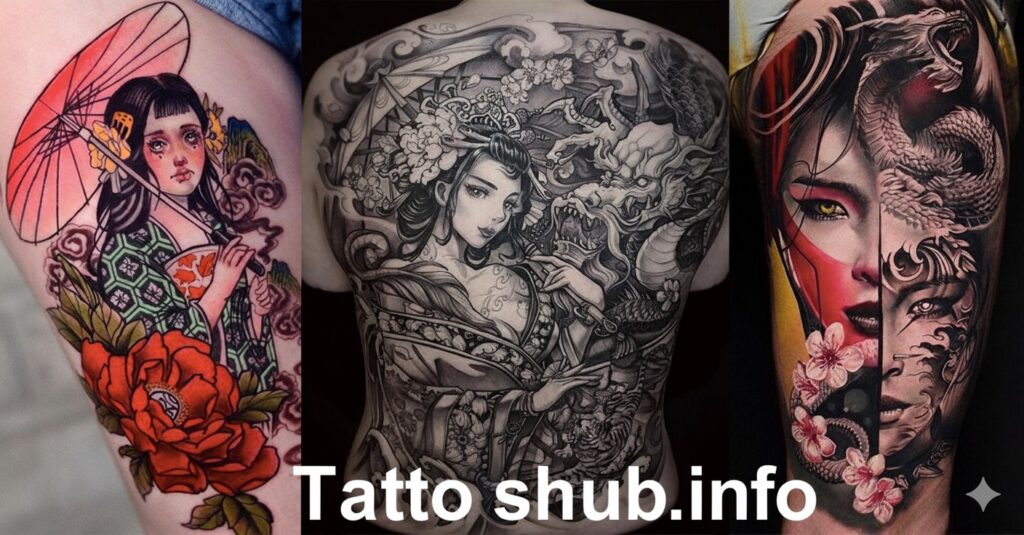
Japanese tattoo designs offer incredible variety, from delicate flowers to mythical creatures. Each design carries specific symbolism that can align with your personal journey, values, or aspirations.
Cherry Blossom (Sakura) Tattoos
Cherry blossoms represent life’s fleeting beauty in Japanese culture. These delicate flowers bloom briefly each spring, reminding us to appreciate precious moments. The Japanese blossom tattoo meaning encompasses beauty, renewal, and the transient nature of existence.
For women, cherry blossom tattoos symbolize feminine grace, new beginnings, and resilience. The soft pink petals create naturally elegant compositions perfect for various placements. You can design cherry blossoms as:
- Single branches with scattered petals
- Full trees in bloom
- Petals floating on wind or water
- Combined with other Japanese elements like koi fish or birds
Popular placements include shoulder blades, ribs, thighs, and forearms. The flowing nature of branches and falling petals complements body curves beautifully. Color options range from traditional pink and white to bold red or purple variations.
Cherry blossom tattoos work equally well in large or small scales. A delicate branch behind the ear makes an understated statement, while a full back piece creates breathtaking artistry. Many women incorporate cherry blossoms into sleeve designs as background elements supporting primary subjects.
Koi Fish Tattoos for Women
Koi fish hold special significance in Japanese mythology as symbols of perseverance, strength, and transformation. Legend tells of koi swimming upstream against powerful currents to reach a waterfall, where they transform into dragons. This journey represents overcoming adversity through determination.
The ikan koi tattoo remains among the most popular Japanese animal tattoo choices for women. Different koi colors carry distinct meanings:
- Red/Orange Koi: Love, passion, and strong emotions
- Black Koi: Overcoming obstacles and life changes
- Blue Koi: Masculinity, reproduction, and tranquility
- Yellow/Gold Koi: Wealth, prosperity, and fortune
- White Koi: Career success and personal growth
Koi tattoo designs typically show fish swimming upward (persevering toward goals) or downward (having achieved success). Surrounding elements like water, lotus flowers, or Japanese waves enhance the narrative and create dynamic compositions.
For feminine interpretations, consider:
- Soft watercolor-style koi with flowing fins
- Koi paired with cherry blossoms or peonies
- Smaller, delicate koi for discrete placements
- Matching koi pairs representing relationships
Koi tattoos scale beautifully from small wrist pieces to elaborate full sleeves. Thigh and calf placements allow koi to swim naturally down your leg, while back pieces provide canvas space for multiple fish in detailed pond environments.
Dragon Tattoos (Feminine Interpretations)
Japanese dragons differ dramatically from Western interpretations. Rather than fire-breathing villains, Japanese mythology portrays dragons as wise, benevolent water deities. They control rain, rivers, and oceans while symbolizing strength, wisdom, and protection.
Traditional dragon tattoos often appear masculine and aggressive, but feminine Japanese dragon designs emphasize grace, elegance, and flowing movement. Women can adapt this powerful symbol through:
- Serpentine dragons with softer features and delicate scales
- Dragons intertwined with flowers (especially peonies or cherry blossoms)
- Smaller, more stylized dragon interpretations
- Dragons in protective or nurturing poses rather than attacking stances
- Incorporating feminine color palettes like purples, pinks, and teals
Dragon symbolism varies by color in Japanese tattoo art:
- Black Dragons: Wisdom and experience
- Green Dragons: Nature, earth, and growth
- Gold Dragons: Wealth, wisdom, and special virtues
- Blue Dragons: Peace, compassion, and forgiveness
- White Dragons: Purity and the cycle of life
Placement options for feminine dragon tattoos include full back pieces (dragons wrapping around the body), sleeve tattoos (dragons spiraling around arms), or thigh designs (allowing natural flow along leg contours).
Geisha Tattoos
Geisha tattoos celebrate Japanese culture’s most iconic feminine figures. These skilled entertainers master traditional arts including music, dance, and conversation. In Japanese tattoo symbolism, geishas represent beauty, grace, mystery, and the preservation of traditional arts.
Authentic geisha tattoos showcase:
- Elaborate kimonos with intricate patterns
- Traditional hairstyles adorned with decorative pins
- White-painted faces highlighting expressive features
- Fans, musical instruments, or cherry blossom branches as accessories
- Backgrounds suggesting tea houses or traditional Japanese architecture
The meaning of geisha tattoos varies based on portrayal. A geisha looking directly at the viewer projects confidence and allure. A profile view suggests mystery and elegance. Geishas paired with natural elements like flowers or birds emphasize their connection to traditional Japanese aesthetics.
Modern interpretations allow creative freedom while respecting the cultural significance. Some women prefer realistic portraits capturing geisha beauty in detail, while others choose stylized or neo-Japanese versions with bold colors and simplified features.
Consider these placement options:
- Back pieces for full geisha portraits with environmental details
- Thigh or ribcage for medium-sized designs
- Forearm or shoulder for partial geisha portraits
Phoenix Tattoos
The Japanese phoenix, known as Hō-ō or Fenghuang, symbolizes rebirth, triumph over adversity, and the cyclical nature of life. Unlike Western phoenix myths focused on fire and destruction, Japanese phoenix symbolism emphasizes renewal, harmony, and grace.
For women, phoenix tattoos represent:
- Rising from difficult periods stronger than before
- Personal transformation and growth
- Hope for the future despite past struggles
- Feminine power and resilience
- Grace under pressure
Phoenix designs feature magnificent birds with elaborate tail feathers, flowing plumage, and dynamic poses suggesting flight or landing. Traditional compositions include flames or clouds surrounding the phoenix, emphasizing its mythical nature.
Color plays crucial roles in phoenix tattoos. Vibrant reds, oranges, and golds create traditional looks, while purples, teals, and pinks offer feminine alternatives. Black and grey phoenix tattoos emphasize texture and shading for dramatic effects.
Placement considerations:
- Full back pieces showcase phoenix wingspan and tail feathers
- Sleeve tattoos wrap phoenix around arms in dynamic motion
- Thigh placements allow vertical compositions following natural leg lines
- Shoulder and upper back designs frame the phoenix emerging upward
Peony Flower Tattoos
Peonies hold special status in Japanese flower tattoos as “the king of flowers.” These lush blooms symbolize prosperity, good fortune, bravery, and honor. In Japanese art tattoos, peonies often accompany powerful subjects like lions, samurai, or dragons, adding feminine balance to masculine imagery.
For women, peony tattoos represent:
- Elegance and refined beauty
- Prosperity and good fortune
- Bravery in the face of challenges
- Romance and affectionate love
- A life lived boldly and beautifully
Traditional Japanese peony tattoos feature large, elaborate blooms with multiple layers of petals. Colors range from classic pink and red to white, purple, and yellow. Leaves and stems create movement and fill negative space in larger compositions.
Peony tattoo designs work in various styles:
- Traditional: Bold outlines, vibrant colors, and classic composition
- Neo-Japanese: Exaggerated size, saturated colors, and modern shading
- Black and Grey: Emphasis on texture, depth, and shading techniques
- Watercolor Fusion: Soft edges and flowing color bleeds
Popular pairings include peonies with koi fish, butterflies, or hummingbirds. Some women combine peonies with geometric patterns or mandala elements for unique fusion designs.
Lotus Flower Tattoos
Lotus flowers hold profound spiritual significance across Asian cultures. In Japanese symbolism, the lotus represents purity, enlightenment, rebirth, and spiritual awakening. The flower’s journey from muddy pond bottoms to pristine blooms above water metaphorically describes overcoming difficulties to achieve beauty and grace.
Different lotus colors carry specific meanings:
- Pink Lotus: Buddha himself, supreme enlightenment
- White Lotus: Purity of mind, body, and spirit
- Red Lotus: Heart, love, and compassion
- Blue Lotus: Wisdom, knowledge, and victory of spirit
- Purple Lotus: Mysticism and spiritual awakening
Lotus tattoos for women often emphasize the flower’s delicate petals and peaceful symbolism. Designs range from single blooms to elaborate gardens with multiple flowers at different stages of opening.
Creative placement ideas:
- Centered on upper back or between shoulder blades
- Thigh or hip for larger, detailed designs
- Ankle or wrist for smaller, minimalist interpretations
- Sternum or underboob for intimate, meaningful placements
Lotus flowers pair beautifully with water elements, geometric patterns, or meditation-themed imagery. Some women incorporate Buddhist symbols or Sanskrit script alongside lotus designs to deepen spiritual connections.
Hannya Mask Tattoos
The Hannya mask represents one of Japanese traditional theater’s most recognizable characters. This demon mask portrays a jealous female demon, transformed by intense emotions of anger, betrayal, and sorrow. While initially appearing aggressive, Hannya masks carry complex emotional depth.
For women, Hannya mask tattoos symbolize:
- Strength through emotional pain
- The duality of human nature (beauty and rage)
- Protection from negative forces
- Embracing one’s shadow self
- Resilience after heartbreak or betrayal
Traditional Hannya designs feature sharp horns, piercing eyes, a wide mouth with fangs, and metallic gold coloring. The expression conveys both pain and power, making these tattoos popular among women who’ve overcome difficult relationships or personal struggles.
Modern interpretations allow creative freedom:
- Half-Hannya masks transitioning to normal faces
- Hannya surrounded by cherry blossoms or peonies softening the imagery
- Neo-Japanese versions with bold colors and exaggerated features
- Smaller, stylized Hannya for discrete placements
Color variations affect meaning:
- White/Pale Hannya: Aristocratic woman, refined sorrow
- Red Hannya: Intense jealousy and rage
- Blue/Green Hannya: Demon fully consumed by negative emotions
Despite fierce appearance, many women find Hannya masks empowering. These designs acknowledge that experiencing and expressing difficult emotions doesn’t diminish feminine strength.
Snake Tattoos
Japanese snake tattoos carry rich symbolism related to transformation, healing, protection, and wisdom. Unlike Western associations with evil or temptation, Japanese culture views snakes as protectors and bringers of good fortune.
In Japanese mythology, snakes connect to:
- Regeneration: Shedding skin represents renewal and transformation
- Protection: Snakes guard treasures and sacred spaces
- Healing: Associated with medicine and divine healing powers
- Feminine Power: Snakes embody mysterious, primal feminine energy
- Wisdom: Long-lived snakes accumulate deep knowledge
For women, snake tattoos symbolize personal transformation, shedding past limitations, and embracing powerful feminine energy. The serpentine form naturally follows body contours, creating dynamic, flowing compositions.
Design variations include:
- Snakes coiled around flowers (especially peonies or cherry blossoms)
- Snakes emerging from water or clouds
- Snakes paired with daggers or swords
- Multiple snakes intertwined representing life cycles
White snakes hold special significance as divine messengers bringing good fortune. Black snakes represent protection and warding off evil. Red snakes symbolize passionate energy and transformation.
Popular placements include:
- Wrapping around arms or legs in sleeve designs
- Spiraling around thighs or calves
- Slithering along ribcage or spine
- Coiled on shoulders or hips
Crane Tattoos
Cranes symbolize longevity, good fortune, wisdom, and fidelity in Japanese culture. These elegant birds mate for life, making them popular symbols for lasting love and loyalty. Legend says cranes live for 1,000 years, embodying wishes for long, prosperous lives.
Japanese crane tattoos typically depict the red-crowned crane (tancho) with its distinctive white plumage and crimson head marking. These graceful birds appear in flying poses, standing majestically, or paired together representing partnerships.
For women, crane tattoos represent:
- Grace and elegance in movement and spirit
- Wisdom accumulated through experience
- Loyalty in relationships and personal values
- Hope for longevity and continued growth
- Peace and tranquility
Crane designs work beautifully with complementary elements:
- Flying over or standing in water (natural habitat)
- Surrounded by clouds suggesting heavenly realms
- Paired with pine trees or bamboo (symbols of longevity)
- Combined with cherry blossoms for seasonal beauty
- Shown with the sun or moon as celestial connections
Placement options leverage the crane’s natural elegance:
- Full back pieces with wings spread in flight
- Sleeve tattoos showing cranes in motion
- Thigh or calf designs with vertical compositions
- Shoulder placements depicting cranes taking flight
Tiger Tattoos
Tigers represent strength, courage, protection from evil spirits, and good fortune in Japanese mythology. Unlike aggressive Western interpretations, Japanese tiger symbolism emphasizes protective qualities and nobility. Tigers control the wind and are associated with autumn.
For women, tiger tattoos convey:
- Personal strength and independence
- Protection for oneself and loved ones
- Courage to face life’s challenges
- Control over one’s destiny
- Fierce feminine power
Feminine tiger designs balance power with grace:
- Tigers surrounded by flowers softening aggressive imagery
- Female tigers with cubs showing nurturing strength
- Tigers in resting or contemplative poses
- Stylized tigers with flowing, artistic interpretations
- White tigers (rare and mystical) for unique designs
Color symbolism in tiger tattoos:
- Orange Tigers: Traditional representation, bravery
- White Tigers: Rarity, uniqueness, divine protection
- Blue Tigers: Calm strength, controlled power
- Black Tigers: Mystery, protection from unseen threats
Tigers pair well with Japanese bamboo (flexibility with strength), peonies (balance of power and beauty), or dragons (ultimate power combination).
Foo Dog (Lion Dog) Tattoos
Foo dogs, also called lion dogs or komainu, serve as protective guardian figures in Japanese temples and cultural spaces. These mythical creatures ward off evil spirits and negative energy while bringing good fortune to those they protect.
Though called “dogs,” foo dogs more closely resemble lions with elaborate manes, fierce expressions, and powerful builds. Traditional pairs include a male (paw on globe representing dominance) and female (paw on cub representing nurture).
For women, foo dog tattoos symbolize:
- Protection for family and loved ones
- Fierce guardian energy
- Balance of strength and nurturing
- Warding off negative influences
- Courage and loyalty
Feminine foo dog interpretations include:
- Female foo dogs with cubs emphasizing maternal protection
- Foo dogs surrounded by flowers creating softer contexts
- Stylized, ornate versions emphasizing decorative elements
- Smaller, symbolic representations rather than aggressive poses
These tattoos work as standalone pieces or incorporated into larger Japanese themes. Placement depends on desired size and visibility, from small ankle guardians to elaborate shoulder or back pieces.
Samurai Tattoos
Samurai embody honor, loyalty, discipline, and the warrior spirit in Japanese culture. While traditionally masculine, modern samurai tattoos for women represent personal strength, living by a code of ethics, and honoring one’s commitments.
The meaning of Japanese samurai tattoos includes:
- Bushido Code: Living honorably with integrity
- Discipline: Mental and physical self-control
- Loyalty: Steadfast commitment to values and relationships
- Courage: Facing fears and challenges directly
- Respect: Honoring traditions and treating others with dignity
Feminine samurai designs often feature:
- Female samurai (onna-bugeisha) who fought alongside men
- Samurai helmets (kabuto) as symbolic representations
- Samurai masks with floral elements
- Armor pieces with decorative patterns
- Weapons like katanas crossed with flowers
The tattoo samurai Japanese style can range from realistic portraits to stylized armor pieces to abstract representations of warrior spirit. Women choosing samurai tattoos often connect with the disciplined, purposeful warrior mindset rather than aggressive imagery.
Oni Mask Tattoos
Oni are supernatural demons or ogres in Japanese folklore, typically portrayed with horns, sharp teeth, wild hair, and fierce expressions. While intimidating in appearance, oni mask tattoos carry protective qualities, warding off bad luck and evil spirits.
Different oni colors represent distinct characteristics:
- Red Oni: Passion, raw emotion, and aggression
- Blue Oni: Calm, controlled power and protection
- Black Oni: Mystery and connection to unseen realms
- White Oni: Purity and spiritual protection
- Green Oni: Sickness driven away, health protection
For women, oni tattoos symbolize:
- Protection from negative energies or people
- Embracing one’s fierce, unapologetic nature
- Strength to confront personal demons
- Duality of beauty and power
- Challenging conventional feminine expectations
Feminine oni variations include:
- Oni masks paired with delicate flowers
- Half-oni, half-human faces showing duality
- Smaller, stylized oni for discrete placements
- Female oni with softer but still powerful features
Wave and Water Tattoos
Japanese waves form essential background elements in traditional irezumi, but they also stand as powerful standalone designs. The iconic “Great Wave” style, inspired by Hokusai’s famous woodblock print, represents life’s overwhelming forces and the resilience required to navigate them.
Water symbolism in Japanese tattoos includes:
- Strength and Power: Water’s unstoppable force
- Life and Movement: Water as essential element
- Change and Adaptability: Water taking any container’s shape
- Cleansing and Renewal: Water washing away the past
- Emotions and Feelings: Water’s flowing, changing nature
Japanese wave tattoo designs range from simple curved lines suggesting gentle waters to dramatic, cresting waves with white foam caps and dynamic motion. Traditional wind bars often accompany waves, showing wind’s invisible force creating movement.
Women can incorporate waves as:
- Background elements in larger compositions
- Standalone designs celebrating ocean connections
- Wrist or ankle bands in wave patterns
- Sleeves with waves as primary subjects
- Combined with sea creatures like koi, octopi, or sea dragons
Chrysanthemum Tattoos
Chrysanthemums hold imperial status in Japanese culture as the emperor’s official seal. These elaborate flowers symbolize longevity, nobility, perfection, and the changing seasons. In Japanese flower tattoos, chrysanthemums represent living with purpose and grace.
Chrysanthemum meanings by color:
- Red: Deep love and passion
- White: Truth and honest grief
- Yellow: Gentle love or slighted love
- Purple: Royalty and nobility
These flowers feature many intricate petals radiating from central points, creating stunning geometric patterns natural for tattooing. Traditional Japanese art tattoos often show chrysanthemums with other autumn symbols like maple leaves.
For women, chrysanthemum tattoos represent:
- Personal refinement and elegance
- Longevity and enduring beauty
- Living with integrity and purpose
- Connection to Japanese cultural heritage
- Seasonal change and life’s natural cycles
Chrysanthemums work beautifully in various placements and pair well with butterflies, birds, or traditional Japanese patterns.
Octopus Tattoos
Octopi appear frequently in Japanese mythology and traditional tattoo art. These intelligent creatures symbolize mystery, transformation, adaptability, and sometimes temptation or danger. In Japanese folklore, octopi possess magical abilities and often appear in supernatural tales.
For women, octopus tattoos represent:
- Intelligence and Strategy: Problem-solving abilities
- Flexibility and Adaptation: Changing to meet circumstances
- Mystery and Depth: Hidden complexities
- Regeneration: Regrowing lost limbs symbolizes recovery
- Feminine Fluidity: Flowing, graceful movement
Octopus designs showcase the creature’s tentacles wrapping around body contours, creating dynamic, flowing compositions. Traditional Japanese style depicts octopi with vibrant colors (typically red or purple) and detailed textures showing suction cups and skin patterns.
Popular placements include thighs (tentacles wrapping around), back pieces (full creature displayed), or sleeves (tentacles flowing down arms).
Maple Leaf Tattoos
Japanese maple leaves (momiji) symbolize autumn, the passage of time, and life’s beautiful changes. These delicate leaves appear in traditional art representing seasonal transitions and the beauty in letting go.
Maple leaf tattoos for women convey:
- Appreciating life’s transitions
- Finding beauty in change
- Autumn as favorite season connection
- Temporary nature of all things
- Grace in transformation
Maple leaves work as:
- Scattered leaves suggesting autumn wind
- Branches with changing colors
- Leaves floating on water
- Combined with other seasonal elements
Colors range from traditional autumn reds and oranges to stylized interpretations in purples, pinks, or even blues for unique effects.
Bamboo Tattoos
Bamboo symbolizes strength, flexibility, prosperity, and longevity in Japanese culture. This plant bends in storms without breaking, representing resilience and adaptability. Bamboo also grows rapidly, symbolizing growth and prosperity.
For women, bamboo tattoos represent:
- Flexibility in facing life’s challenges
- Strength without rigidity
- Continuous personal growth
- Natural elegance and simplicity
- Connection to nature’s wisdom
Bamboo designs feature vertical stalks with characteristic nodes and leaves. These naturally suit placements along arms, legs, or spine. Bamboo pairs well with other Japanese elements like pandas, birds perching on stalks, or as backgrounds for larger compositions.
Daruma Doll Tattoos
Daruma dolls are traditional Japanese wish-granting figures representing perseverance and good luck. These round, usually red dolls depict Bodhidharma, the founder of Zen Buddhism. When purchasing a daruma, one eye is left blank. After setting a goal, you fill in one eye. When achieving the goal, you complete the second eye.
Daruma tattoos symbolize:
- Goal-setting and achievement
- Perseverance through difficulties
- Good fortune and luck
- Zen principles and mindfulness
- Never giving up despite setbacks
These distinctive round figures make excellent tattoos for women who value determination and purposeful living. Designs can be traditional (red with gold details) or creative interpretations with various colors and modern styling.
Sparrow Tattoos
Sparrows symbolize loyalty, companionship, protection of family, and triumph over hardships in Japanese culture. These small birds represent freedom and the ability to thrive anywhere, as sparrows adapt to various environments.
For women, sparrow tattoos represent:
- Loyalty in relationships
- Finding joy in simple pleasures
- Freedom and independence
- Overcoming challenges through resilience
- Protection of loved ones
Sparrows appear in various compositions:
- Flying in groups suggesting companionship
- Perched on cherry blossom or bamboo branches
- Combined with flowers for feminine touches
- Paired with clouds or wind elements
These smaller birds work well for discrete placements or as accent pieces in larger compositions.
Butterfly Tattoos
Butterflies symbolize transformation, the soul, femininity, and joy in Japanese culture. The metamorphosis from caterpillar to butterfly represents profound personal change and spiritual growth.
Japanese butterfly tattoo meanings include:
- Personal transformation and growth
- The fleeting nature of beauty
- Femininity and grace
- The soul’s journey
- Joy and lightness of being
Traditional Japanese art depicts butterflies with delicate, detailed wing patterns. Colors can be realistic or stylized to match personal preferences. Butterflies pair beautifully with flowers, particularly cherry blossoms or peonies.
Placement options leverage the butterfly’s natural grace:
- Shoulder blades suggesting wings
- Ankle or foot for delicate, small designs
- Floating across larger compositions
- Behind ears or on wrists for minimalist approaches
Cat Tattoos (Maneki-neko)
The lucky cat or Maneki-neko appears throughout Japanese culture as a charm for good fortune, prosperity, and protection. This beckoning cat figure holds one paw raised in welcome, inviting good luck and customers.
Cat tattoos in Japanese style represent:
- Good fortune and prosperity
- Protection from evil spirits
- Welcoming positive energy
- Business success
- Playful, independent spirit
Maneki-neko tattoos can be traditional (simplified lucky cat figures) or realistic depictions of cats in Japanese art style. Some designs incorporate bells, coins, or other prosperity symbols.
Skull and Japanese Elements
While not traditionally Japanese, skulls appear in modern Japanese tattoo fusion designs. These often combine with traditional Japanese elements for contemporary interpretations exploring themes of mortality, strength, and the cycle of life.
Japanese skull tattoos for women often feature:
- Skulls adorned with flowers (especially cherry blossoms or peonies)
- Skulls wearing samurai helmets
- Skulls with geisha makeup
- Skulls surrounded by traditional Japanese patterns
These designs balance darker themes with beautiful Japanese aesthetics, creating unique, meaningful tattoos.
Gallery: 500+ Japanese Tattoo Designs for Females
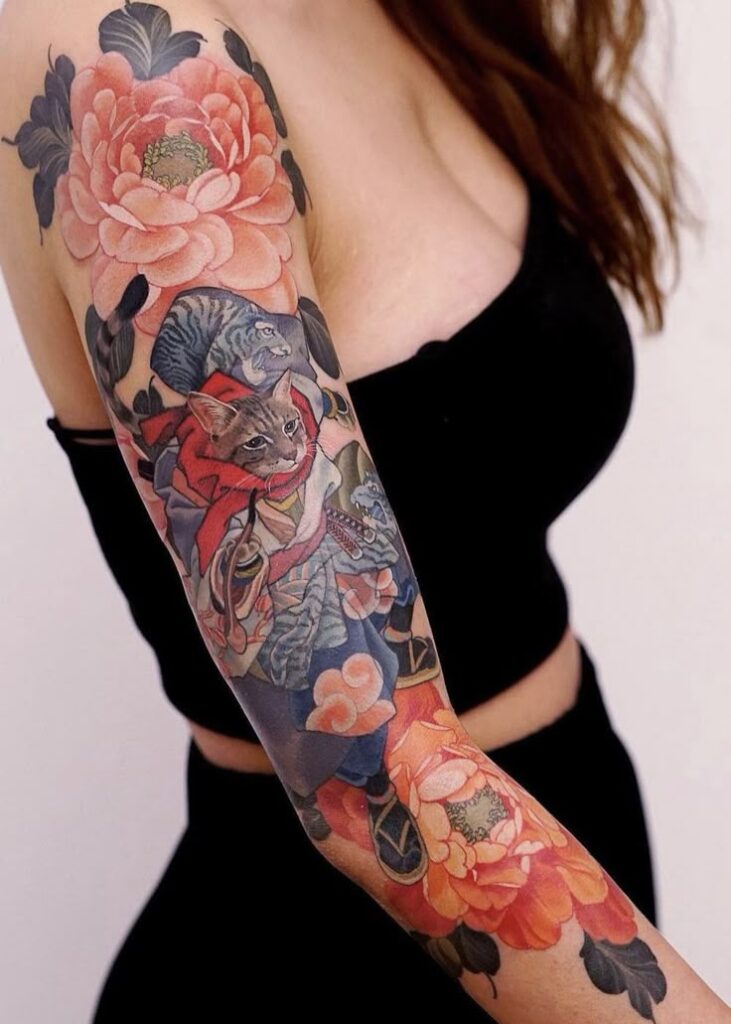
Explore this curated collection of Japanese tattoo designs perfect for women. Each category showcases various interpretations, from traditional to contemporary, offering inspiration for your personal ink journey.
Floral Designs (100+ Variations)
Cherry Blossom (Sakura) Tattoos
- Delicate Branch Design Single cherry blossom branch with falling petals creates elegant simplicity. Perfect for forearm or shoulder placement, this design symbolizes life’s fleeting beauty, feminine grace, and acceptance of impermanence in traditional Japanese symbolism.
- Full Bloom Sleeve Cherry blossoms covering entire arm with branches wrapping naturally around contours. This elaborate design represents renewal and hope, featuring pink petals with black outlines in authentic Japanese traditional tattoo style flowing gracefully.
- Tree Silhouette Back Piece Full cherry blossom tree with roots and branches ideal for expansive back pieces. This large-scale design showcases seasonal beauty and life cycles, incorporating wind bars and clouds in traditional Japanese tattoo symbolism representing transformation.
- Petal Cascade Scattered falling petals creating flowing movement down leg or arm. Represents transient nature of existence and feminine beauty, with delicate pink blossoms drifting through air in classic Japanese tattoo art style embodying acceptance.
- Seasonal Transition Design Blossoms transitioning from buds to full bloom to fallen petals on one piece. Symbolizes life’s stages, growth, and natural progression, making this meaningful Japanese tattoo perfect for women embracing change and personal evolution.
- Cherry Blossom with Bird Sakura branches with crane or sparrow perched delicately among flowers. Combines floral beauty with avian symbolism—cranes represent longevity and luck, while sparrows symbolize loyalty in traditional Japanese culture and authentic tattoo designs.
- Water Reflection Design Blossoms reflected in stylized Japanese waves creating symmetrical composition. This design merges sakura with water elements, representing emotional depth and balance in traditional Japanese symbolism, perfect for thigh or ribcage placement.
- Night Bloom Design Dark background with light pink blossoms and crescent moon overhead. This dramatic contrast emphasizes cherry blossom beauty against night sky, incorporating celestial elements common in Japanese tattoo art representing mystery and feminine energy.
- Watercolor Style Sakura Soft, blended cherry blossoms with contemporary watercolor effects. Fuses traditional Japanese motifs with modern tattoo techniques, creating flowing pink and white gradients while maintaining authentic sakura symbolism of beauty and impermanence.
- Minimalist Branch Simple, elegant single cherry blossom branch for wrist or ankle. Small Japanese tattoos with meaning include this understated design featuring few petals and minimal shading, perfect for subtle yet symbolic body art.
Peony (Botan) Tattoos
- Traditional Red Peony Bold, classic red peony with deep green leaves in authentic Japanese style. Represents prosperity, honor, and bravery, this popular Japanese tattoo features voluminous petals with dramatic shading embodying courageous femininity and abundant blessings.
- Purple Peony Cluster Multiple purple peonies in various bloom stages grouped together beautifully. Symbolizes nobility and wealth, this design showcases different petal formations and depths, representing layers of feminine strength in traditional Japanese tattoo symbolism.
- Peony and Butterfly Large peony with delicate butterfly resting gracefully on petals. Combines floral beauty with transformation symbolism—butterflies represent rebirth and soul in Japanese culture, creating meaningful tattoos celebrating personal growth and feminine metamorphosis.
- Black and Grey Peony Detailed shading emphasizing intricate petal texture without color. This sophisticated approach to traditional Japanese tattoo art focuses on contrast and depth, representing timeless beauty and elegant strength through masterful grayscale technique.
- Peony Half Sleeve Multiple peonies flowing around arm with leaves and stems connecting. This extensive design represents honor and prosperity, featuring various bloom sizes creating dynamic composition in authentic Japanese traditional tattoo style covering upper arm.
- Pink Gradient Peony Soft pink gradually deepening to rich rose centers with subtle shading. Represents romantic love and feminine beauty, this gentle interpretation of traditional Japanese flower tattoos appeals to women seeking delicate yet meaningful symbolic designs.
- Peony and Koi Combination Traditional pairing of lush peony flowers with swimming koi fish. This classic Japanese tattoo combination represents wealth and perseverance, blending floral elegance with aquatic power in balanced composition symbolizing complete feminine energy.
- Geometric Peony Fusion Modern interpretation combining traditional peony with contemporary geometric patterns. This Japanese-inspired tattoo merges authentic symbolism with angular designs, creating unique body art that honors tradition while embracing modern tattoo styles.
- Peony Shoulder Cap Large, centered peony positioned perfectly on shoulder for maximum impact. This placement emphasizes the flower’s voluminous beauty, representing bravery and honor in Japanese culture, ideal for women seeking bold yet feminine traditional tattoo designs.
- White Peony Design Elegant white peony with subtle grey shading and delicate petals. Symbolizes purity, bashfulness, and good fortune in Japanese symbolism, this sophisticated design offers understated beauty while maintaining traditional tattoo meanings and authentic cultural significance.
Lotus Flower Tattoos
- Open Lotus Flower Fully bloomed lotus symbolizing spiritual enlightenment and awakening. This sacred flower represents rising above challenges, featuring detailed petals radiating from center in traditional Japanese art style, perfect for women seeking meaningful spiritual tattoos.
- Lotus Bud Design Closed lotus bud representing potential, growth, and new beginnings ahead. This simple yet profound Japanese symbol shows the flower before blooming, embodying patience and promise, ideal for women starting transformative life journeys.
- Lotus on Water Lotus floating gracefully on stylized Japanese waves and ripples. Combines floral and water elements representing purity emerging from murky depths, a powerful metaphor in Japanese culture for overcoming adversity and maintaining spiritual clarity.
- Mandala Lotus Fusion Lotus center surrounded by intricate mandala patterns and geometric designs. Blends Japanese and Buddhist symbolism, representing spiritual journey and universe’s interconnectedness, creating visually stunning tattoo with deep philosophical meaning for meditative souls.
- Pink Lotus Sleeve Multiple lotuses at different bloom stages covering arm gracefully. This comprehensive design shows spiritual progression from bud to full flower, incorporating leaves and stems in traditional Japanese tattoo art representing complete feminine enlightenment.
- Blue Lotus Design Rare blue lotus representing wisdom, knowledge, and spiritual victory. This uncommon color choice in Japanese tattoo symbolism emphasizes intellectual pursuits and higher consciousness, perfect for scholarly women seeking meaningful symbolic body art.
- Lotus and Om Symbol Spiritual combination featuring lotus with sacred Om symbol integrated. Merges Japanese and Hindu spiritual elements, representing meditation, divine consciousness, and inner peace, ideal for women embracing Eastern philosophy and mindfulness practices.
- Black and Grey Lotus Detailed shading and texture work without color emphasizing form. This monochromatic approach to traditional Japanese lotus tattoos creates dramatic contrast and depth, representing timeless spiritual beauty and enlightenment through sophisticated grayscale artistry.
- Lotus with Swimming Koi Lotus pond scene featuring graceful koi fish swimming among flowers. This classic Japanese tattoo combination represents spiritual purity and perseverance, blending aquatic and floral elements in harmonious composition symbolizing balanced feminine energy.
- Minimalist Lotus Outline Simple outline design perfect for small placements like wrist or ankle. This understated approach to Japanese symbolic tattoos maintains authentic meaning while offering delicate, modern aesthetic ideal for women preferring subtle spiritual body art.
Chrysanthemum Tattoos
- Imperial Chrysanthemum Seal Traditional sixteen-petal imperial seal style representing Japanese royalty. This formal design embodies honor, nobility, and perfection, featuring symmetrical petals radiating from center in authentic Japanese culture tattoos reserved for those valuing tradition.
- Autumn Chrysanthemum Design Orange and yellow autumn colors celebrating fall’s vibrant beauty. Represents longevity and rejuvenation in Japanese symbolism, this warm-toned design captures seasonal essence through rich colors perfect for women embracing natural life cycles.
- Purple Chrysanthemum Cluster Multiple purple flowers grouped together in harmonious arrangement. Symbolizes nobility and devotion, this design showcases various bloom sizes and angles, creating depth and movement in traditional Japanese tattoo art celebrating feminine elegance.
- Chrysanthemum Sleeve Coverage Flowers covering entire arm with detailed leaves and connecting stems. This extensive Japanese traditional tattoo represents happiness and longevity, featuring multiple blooms in authentic style flowing naturally around arm’s contours with masterful composition.
- Red Chrysanthemum Design Deep red symbolizing passionate love and strong romantic devotion. This bold color choice in Japanese flower tattoos emphasizes intense emotion and desire, featuring dramatic shading and detailed petals perfect for women celebrating passionate relationships.
- White Chrysanthemum Purity Pure white flower representing honesty, truth, and loyal devotion. This elegant design in Japanese symbolism embodies innocence and integrity, with delicate petals and subtle shading creating sophisticated tattoo ideal for virtuous women.
- Chrysanthemum and Skull Fusion Contrasting life and death in meaningful Japanese-inspired design. This contemporary interpretation combines traditional flower symbolism with mortality themes, representing life’s duality and impermanence in bold, thought-provoking tattoo art.
- Geometric Chrysanthemum Modern Contemporary interpretation featuring angular petals and geometric patterns. This modern Japanese style tattoo merges traditional symbolism with current design trends, creating unique body art honoring cultural roots while embracing progressive aesthetics.
- Chrysanthemum Back Piece Large-scale back design featuring multiple chrysanthemums with leaves. This expansive Japanese tattoo represents happiness and perfection, showcasing flowers in various bloom stages across back canvas, creating stunning visual impact with traditional symbolism.
- Minimalist Chrysanthemum Single Simple, elegant single flower with clean lines and minimal detail. This understated Japanese tattoo maintains authentic cultural meaning while offering modern simplicity, perfect for women seeking subtle yet significant symbolic body art.
Additional Floral Designs
- Hydrangea Cluster Blue Traditional blue hydrangeas representing gratitude, heartfelt emotion, and understanding. These clustered blooms in Japanese culture symbolize apology and appreciation, featuring delicate petals grouped together creating soft, romantic tattoo perfect for sentimental women.
- Camellia Flower Design Symbol of longevity, faithfulness, and enduring love in Japanese tradition. This elegant flower features layered petals and represents devotion, making meaningful Japanese tattoos for women valuing loyalty and long-lasting relationships in life.
- Purple Iris Elegance Iris flower representing courage, admiration, and heroic spirit. This graceful bloom in Japanese symbolism embodies warrior spirit and bravery, featuring distinctive petals perfect for women celebrating inner strength and noble character.
- Morning Glory Vine Climbing vine design perfect for limbs wrapping naturally around arms. Represents love, affection, and fleeting beauty in Japanese culture, with trumpet-shaped flowers and twining stems creating flowing movement in authentic traditional tattoo art.
- Wisteria Cascade Design Hanging wisteria clusters perfect for vertical designs down spine or leg. Symbolizes longevity and endurance in Japanese tradition, featuring cascading purple flowers creating elegant, flowing composition representing graceful feminine strength and patience.
- Plum Blossom Resilience Winter bloom symbolizing resilience, perseverance, and hope through adversity. These early-blooming flowers in Japanese symbolism represent overcoming hardship, featuring delicate petals blooming in harsh conditions, perfect for survivor women.
- Pink Azalea Clusters Delicate pink azaleas grouped in traditional Japanese garden arrangements. Represent temperance, passion, and feminine womanhood, these soft blooms create romantic tattoo designs celebrating gentle strength and emotional depth in Japanese culture.
- Orchid Spray Elegance Elegant orchids with flowing stems representing rare beauty and refinement. In Japanese symbolism, orchids embody luxury and strength, featuring graceful blooms perfect for women appreciating sophisticated beauty and cultural depth in tattoos.
- Pure White Lily White lilies symbolizing innocence, purity, and renewal in Japanese tradition. These elegant flowers represent spiritual beauty and transformation, featuring trumpet-shaped blooms with subtle shading creating timeless, meaningful tattoos for virtuous women.
- Mixed Floral Bouquet Combination of multiple Japanese flowers creating harmonious garden composition. This diverse design blends cherry blossoms, peonies, chrysanthemums, and lotus flowers, representing complete feminine beauty and nature’s abundance in traditional Japanese tattoo art.
Animal and Creature Designs (150+ Variations)
Koi Fish Tattoos
- Upward Swimming Koi Red koi swimming upstream representing perseverance, determination, and overcoming obstacles. This powerful Japanese tattoo symbolizes strength against adversity, featuring dynamic movement and flowing water, perfect for women facing life’s challenges courageously.
- Koi Fish Pair Two koi circling each other representing harmony between masculine and feminine. This balanced design symbolizes partnership and unity in Japanese culture, featuring complementary colors creating yin-yang energy perfect for celebrating relationships and duality.
- Dragon-Koi Transformation Koi fish transforming into powerful dragon representing ultimate achievement. This legendary Japanese mythology tattoo shows metamorphosis after swimming upstream, symbolizing personal growth and reaching highest potential through persistent determination and effort.
- Black Koi Design Black koi representing successfully overcome obstacles and personal transformation. This dramatic color choice in Japanese tattoo symbolism embodies triumph over adversity, featuring dark scales with metallic highlights representing strength earned through life’s battles.
- Yellow Golden Koi Golden koi symbolizing prosperity, wealth, and financial success ahead. This auspicious color in Japanese culture represents fortune and abundance, featuring shimmering scales and upward movement perfect for women pursuing career goals and material blessings.
- Blue Koi Sleeve Blue koi with flowing water and stylized waves covering arm. Represents tranquility, masculinity, and reproduction in Japanese symbolism, featuring serene movement through water elements creating peaceful yet powerful tattoo design embodying calm strength.
- Koi Pond Scene Multiple koi swimming in pond with lotus flowers and lily pads. This comprehensive Japanese tattoo captures complete aquatic ecosystem, representing harmony with nature, prosperity, and spiritual purity in traditional pond garden symbolism perfect for nature-loving women.
- White Koi Success White koi representing career success, fulfillment, and professional achievement. This color in Japanese tattoo tradition symbolizes ambition realized, featuring clean scales and determined movement perfect for women celebrating professional accomplishments and goals.
- Koi and Cherry Blossom Koi swimming gracefully among falling cherry blossom petals. This classic Japanese tattoo combination merges perseverance with life’s beauty, representing strength balanced with appreciation for fleeting moments, creating meaningful design celebrating complete feminine experience.
- Orange Koi Thigh Piece Large orange koi wrapping around thigh with flowing movement. Represents positive relationships and happy love in Japanese symbolism, featuring vibrant scales and dynamic composition perfect for placement on thigh’s natural curves celebrating romantic connections.
- Yin-Yang Koi Circle Two koi forming circular yin-yang symbol representing universal balance. This profound Japanese tattoo design shows opposing forces in harmony, typically featuring black and white koi creating eternal cycle perfect for women valuing balance and duality.
- Watercolor Koi Style Soft watercolor technique creating flowing colors and ethereal movement. This contemporary approach to traditional Japanese koi tattoos blends authentic symbolism with modern artistic style, featuring graduated colors and fluid movement perfect for artistic women.
Dragon (Ryu) Tattoos
- Traditional Japanese Dragon Serpentine dragon with scales, claws, and flowing whiskers representing wisdom. This powerful Japanese mythology tattoo embodies strength, protection, and good fortune, featuring elaborate details in traditional style perfect for women seeking guardian symbolism.
- Dragon Sleeve Full Complete dragon wrapping around entire arm with clouds and waves. This comprehensive Japanese traditional tattoo represents power and transformation, featuring dragon coiling naturally around arm’s contours with authentic elements creating dramatic, meaningful body art.
- Water Dragon Design Dragon emerging from stylized Japanese waves representing fluidity and adaptation. This design merges dragon power with water element symbolism, creating dynamic composition showing mythical creature’s connection to aquatic realms in traditional Japanese tattoo art.
- Dragon and Phoenix Pair Dragon and phoenix together representing perfect balance and partnership. This powerful Japanese tattoo combination symbolizes yin-yang harmony, featuring masculine dragon with feminine phoenix creating complete universal balance perfect for celebrating complementary relationships.
- Black Dragon Guardian Black dragon representing protection, wisdom, and experience earned through time. This dramatic color choice in Japanese mythology tattoos emphasizes mysterious power and ancient knowledge, perfect for women seeking spiritual guardian and protective symbolism.
- Cherry Blossom Dragon Dragon intertwined with cherry blossom branches combining strength and beauty. This Japanese tattoo design balances powerful creature with delicate flowers, representing feminine power that embraces both force and grace in harmonious traditional composition.
- Colorful Dragon Back Vibrant multi-colored dragon across entire back with traditional elements. This expansive Japanese tattoo showcases dragon in full glory with clouds, waves, and wind bars, representing complete power and wisdom in authentic traditional style.
- Minimalist Dragon Outline Simple dragon outline with minimal detail for subtle placement. This modern interpretation of Japanese dragon tattoos maintains symbolic meaning while offering understated aesthetic, perfect for women preferring delicate yet meaningful mythological body art.
- Dragon Head Portrait Close-up dragon head showing detailed scales and fierce expression. This focused Japanese tattoo emphasizes dragon’s powerful features including horns, whiskers, and penetrating eyes, representing protective guardian watching over wearer with ancient wisdom and strength.
- Celestial Dragon Design Dragon among stars, moon, and celestial elements representing heavenly power. This Japanese mythology tattoo connects earthly dragon with cosmic forces, symbolizing universal energy and divine protection perfect for spiritually-minded women seeking transcendent symbolism.
Phoenix (Hō-ō) Tattoos
- Rising Phoenix Design Phoenix rising from flames representing rebirth and renewal after hardship. This powerful Japanese tattoo symbolizes triumph over adversity, featuring spread wings and fire elements perfect for women who have overcome significant challenges and emerged stronger.
- Colorful Phoenix Full Vibrant phoenix with red, gold, and purple feathers in full glory. This magnificent Japanese tattoo represents immortality and transformation, featuring elaborate tail feathers and dynamic movement celebrating feminine power and eternal spiritual beauty.
- Phoenix and Dragon Phoenix paired with dragon representing ultimate balance and harmony. This classic Japanese tattoo combination symbolizes perfect union of feminine and masculine energies, creating powerful composition celebrating complementary forces and eternal partnership.
- Phoenix Sleeve Flowing Phoenix wrapping around arm with flowing tail feathers and wings. This extensive Japanese traditional tattoo represents rebirth and grace, featuring feathers naturally following arm’s contours creating elegant movement symbolizing feminine transformation and resilience.
- Phoenix Back Piece Large phoenix across entire back with spread wings and elaborate details. This expansive Japanese tattoo showcases mythical bird in complete glory, representing triumph over death and adversity, perfect for women celebrating major life transformations.
- Watercolor Phoenix Modern Contemporary watercolor technique creating ethereal phoenix with flowing colors. This modern Japanese-inspired tattoo blends traditional symbolism with current artistic style, featuring gradient feathers and soft edges representing rebirth through artistic feminine expression.
- Phoenix and Flowers Phoenix surrounded by cherry blossoms or peonies combining elements. This harmonious Japanese tattoo design merges mythical bird with floral beauty, representing renewal balanced with appreciation for life’s delicate moments in traditional symbolic composition.
- Black Phoenix Silhouette Dramatic black silhouette emphasizing phoenix form and movement. This bold Japanese tattoo approach focuses on shape and negative space, representing transformation through minimalist aesthetic perfect for women appreciating understated yet powerful symbolism.
- Phoenix Rising Leg Phoenix ascending up leg from ankle to thigh with vertical movement. This placement emphasizes upward journey in Japanese symbolism, representing personal growth and rising from difficulties, perfect for women celebrating triumphant life transformations.
- Minimalist Phoenix Lines Simple line work capturing phoenix essence with minimal detail. This contemporary Japanese tattoo maintains mythical bird’s symbolic meaning while offering modern simplicity, perfect for women seeking subtle rebirth symbolism in delicate body art.
Tiger (Tora) Tattoos
- Traditional Japanese Tiger Fierce tiger with stripes and flowing whiskers representing courage and strength. This powerful Japanese tattoo embodies warrior spirit and protection, featuring traditional bold lines and dynamic pose perfect for women embracing fierce feminine power.
- Tiger and Bamboo Tiger among bamboo stalks representing strength combined with flexibility. This Japanese tattoo design shows powerful predator in natural habitat, symbolizing ability to be both strong and adaptable, perfect for resilient women navigating life’s challenges.
- Tiger Head Portrait Close-up tiger face showing intense eyes and powerful features. This focused Japanese tattoo emphasizes predator’s commanding presence including fangs and penetrating gaze, representing protective guardian spirit watching over wearer with fierce devotion and strength.
- White Tiger Design White tiger representing autumn and western direction in Japanese tradition. This rare color symbolizes unique power and individuality, featuring pale fur with black stripes creating striking contrast perfect for women celebrating distinctive strength and character.
- Tiger and Dragon Tiger paired with dragon representing earth and heaven balance. This classic Japanese tattoo combination shows two powerful forces in eternal conflict and harmony, symbolizing complete universal power and balanced strength in traditional symbolic composition.
- Tiger Sleeve Dynamic Tiger wrapping around arm with flowing movement and energy. This comprehensive Japanese traditional tattoo shows predator in motion, representing active courage and perpetual strength, featuring dynamic pose following arm’s natural contours creating powerful statement.
- Prowling Tiger Design Tiger in hunting crouch showing controlled power and patient strength. This Japanese tattoo captures predator’s focused intensity before action, representing strategic thinking combined with raw power, perfect for women who plan carefully before decisive action.
- Tiger and Peony Tiger among blooming peonies combining ferocity with floral beauty. This Japanese tattoo design balances powerful predator with delicate flowers, representing feminine strength that encompasses both force and grace in harmonious traditional symbolic composition.
- Geometric Tiger Modern Contemporary tiger design incorporating angular patterns and modern elements. This Japanese-inspired tattoo merges traditional symbolism with current geometric style, creating unique body art honoring cultural roots while embracing progressive aesthetic perfect for modern women.
- Roaring Tiger Power Tiger with open mouth showing fangs representing vocal strength and power. This dramatic Japanese tattoo emphasizes predator’s fearsome presence and warning capabilities, symbolizing women who speak boldly and defend themselves courageously against life’s threats.
Snake (Hebi) Tattoos
- Traditional Japanese Snake Coiling serpent with detailed scales representing transformation and rebirth. This Japanese tattoo symbolizes renewal through shedding old skin, featuring sinuous movement and traditional elements perfect for women embracing change and personal evolution throughout life.
- Snake and Flowers Serpent intertwined with cherry blossoms or peonies combining elements. This Japanese tattoo design merges reptilian power with floral beauty, representing transformation balanced with appreciation for delicate beauty in harmonious traditional symbolic composition.
- Snake Sleeve Wrapping Snake coiling naturally around arm following contours and curves. This extensive Japanese traditional tattoo emphasizes serpent’s graceful movement, representing wisdom and protection, featuring scales and flowing form creating dynamic meaningful body art.
- White Snake Sacred White serpent representing good fortune and divine protection. This auspicious color in Japanese mythology symbolizes sacred messenger bringing blessings, featuring pale scales creating ethereal appearance perfect for spiritually-minded women seeking protective guardian symbolism.
- Snake and Skull Serpent wrapped around skull representing life’s cyclical nature. This Japanese-inspired tattoo combines transformation symbolism with mortality themes, creating powerful reminder of impermanence and constant change perfect for philosophical women embracing life’s duality.
- Geometric Snake Modern Contemporary snake design featuring angular patterns and geometric elements. This Japanese-inspired tattoo merges traditional serpent symbolism with modern artistic style, creating unique body art perfect for women appreciating both cultural heritage and progressive aesthetics.
- Snake and Dagger Serpent coiled around traditional Japanese dagger or sword. This bold tattoo design represents protection and swift justice, combining reptilian wisdom with warrior weapon symbolism, perfect for women valuing both strategic thinking and decisive action.
- Rainbow Snake Colorful Vibrant serpent with gradient colors creating eye-catching design. This Japanese-inspired tattoo emphasizes transformation through colorful scales representing life’s diverse experiences, perfect for women celebrating varied journey and embracing change with vibrant enthusiasm.
- Snake Back Piece Large serpent flowing across entire back with elaborate scales. This expansive Japanese tattoo showcases snake in complete form representing wisdom and renewal, featuring sinuous movement across back canvas creating dramatic meaningful body art.
- Minimalist Snake Lines Simple serpent outline with clean lines and minimal detail. This modern Japanese tattoo maintains transformation symbolism while offering understated aesthetic, perfect for women seeking subtle yet significant reptilian wisdom representation in delicate body art.
Crane (Tsuru) Tattoos
- Flying Crane Design Crane with spread wings soaring through sky representing freedom. This graceful Japanese tattoo symbolizes longevity and good fortune, featuring elegant form in flight perfect for women celebrating liberation and wishing for long, blessed life.
- Crane Pair Mated Two cranes together representing eternal love and lifelong partnership. This meaningful Japanese tattoo symbolizes faithful marriage and devotion, featuring complementary birds creating harmonious composition perfect for women celebrating committed relationships and loyalty.
- Crane and Cherry Blossom Crane perched among sakura branches combining grace with beauty. This classic Japanese tattoo design merges avian elegance with floral delicacy, representing longevity balanced with appreciation for fleeting moments in traditional harmonious symbolic composition.
- Crane with Waves Crane standing in stylized Japanese waves representing coastal beauty. This design combines bird symbolism with water elements, creating balanced composition showing crane’s connection to aquatic environments in traditional Japanese tattoo art celebrating natural harmony.
- Red-Crowned Crane Traditional Authentic red-crowned crane with distinctive head marking representing nobility. This Japanese tattoo features characteristic coloring and elegant form symbolizing honor and long life, perfect for women valuing traditional symbolism and cultural authenticity.
- Crane Sleeve Flowing Crane wrapping around arm with extended wings and flowing movement. This comprehensive Japanese traditional tattoo emphasizes bird’s graceful flight, representing good fortune and longevity, featuring natural positioning following arm’s contours creating elegant meaningful art.
- Standing Crane Profile Crane in profile showing characteristic long neck and elegant stance. This focused Japanese tattoo emphasizes bird’s distinctive silhouette and graceful bearing, representing patience and peace perfect for women valuing tranquility and mindful living.
- Crane and Pine Tree Crane among pine branches representing longevity and steadfastness together. This Japanese tattoo combination symbolizes enduring strength and long life, featuring evergreen tree with graceful bird creating meaningful composition celebrating lasting resilience and fortune.
- Geometric Crane Modern Contemporary crane design incorporating angular patterns and geometric elements. This Japanese-inspired tattoo merges traditional bird symbolism with modern artistic style, creating unique body art perfect for women appreciating both cultural significance and progressive aesthetics.
- Minimalist Crane Outline Simple crane silhouette with clean lines and minimal detail. This modern Japanese tattoo maintains longevity and fortune symbolism while offering understated aesthetic, perfect for women seeking subtle yet meaningful avian representation in delicate body art.
Fox (Kitsune) Tattoos
- Traditional Kitsune Fox Mystical fox with multiple tails representing magical power and wisdom. This Japanese mythology tattoo embodies supernatural abilities and intelligence, featuring elaborate tails and cunning expression perfect for women embracing mysterious feminine power and spiritual knowledge.
- Nine-Tailed Fox Divine Fox with all nine tails representing ultimate divine power. This supreme Japanese mythology tattoo symbolizes maximum magical ability and ancient wisdom, featuring elaborate tail arrangement perfect for women seeking powerful spiritual guardian and mystical symbolism.
- Fox and Cherry Blossom Kitsune among sakura branches combining mystical with natural beauty. This Japanese tattoo design merges supernatural creature with delicate flowers, representing magical wisdom balanced with appreciation for life’s beauty in traditional harmonious composition.
- White Fox Celestial White kitsune representing divine messenger and good fortune. This sacred color in Japanese mythology symbolizes benevolent spirit bringing blessings, featuring pale fur creating ethereal appearance perfect for spiritually-minded women seeking positive protective guardian.
- Fox Mask Design Traditional kitsune mask representing transformation and duality. This Japanese cultural tattoo shows theatrical mask used in festivals, symbolizing ability to reveal or conceal true nature, perfect for women appreciating complexity and layered identity.
- Fox and Peony Kitsune surrounded by blooming peonies combining mystical with floral elements. This Japanese tattoo design balances supernatural fox with luxurious flowers, representing magical wisdom enhanced by prosperity symbolism in beautiful traditional harmonious composition.
- Geometric Fox Modern Contemporary kitsune incorporating angular patterns and geometric elements. This Japanese-inspired tattoo merges traditional fox mythology with modern artistic style, creating unique body art perfect for women appreciating both cultural mysticism and progressive aesthetics.
- Fox Sleeve Flowing Kitsune wrapping around arm with flowing tails and magical elements. This comprehensive Japanese traditional tattoo emphasizes supernatural fox’s mystical nature, featuring multiple tails following arm’s natural contours creating enchanting meaningful body art.
- Playful Fox Design Kitsune with mischievous expression showing trickster personality. This Japanese mythology tattoo captures fox spirit’s cunning and playful nature, representing clever intelligence and adaptability perfect for women embracing wit and strategic thinking in life.
- Minimalist Fox Lines Simple kitsune outline with clean lines and minimal detail. This modern Japanese tattoo maintains mystical symbolism while offering understated aesthetic, perfect for women seeking subtle yet significant supernatural fox representation in delicate body art.
Butterfly (Chō) Tattoos
- Traditional Japanese Butterfly Elegant butterfly with detailed wing patterns representing transformation. This Japanese tattoo symbolizes soul and rebirth, featuring intricate designs on wings perfect for women celebrating personal metamorphosis and spiritual evolution throughout their lives.
- Butterfly and Flowers Butterfly hovering near cherry blossoms or peonies combining elements. This Japanese tattoo design merges insect’s transformation symbolism with floral beauty, representing change balanced with appreciation for natural beauty in harmonious traditional symbolic composition.
- Butterfly Sleeve Flutter Multiple butterflies flowing around arm creating movement and grace. This comprehensive Japanese traditional tattoo represents ongoing transformation and soul’s journey, featuring various butterfly sizes and positions creating dynamic meaningful body art celebrating continuous growth.
- Black Butterfly Design Dark butterfly representing death, rebirth, and profound transformation. This dramatic color choice in Japanese symbolism emphasizes significant life changes, featuring bold wings perfect for women who have experienced major metamorphosis and emerged transformed.
- Butterfly and Skull Butterfly emerging from skull representing life from death cycle. This Japanese-inspired tattoo combines transformation symbolism with mortality themes, creating powerful reminder of rebirth and renewal perfect for women appreciating life’s cyclical nature and impermanence.
- Watercolor Butterfly Style Contemporary watercolor technique creating ethereal butterfly with flowing colors. This modern Japanese-inspired tattoo blends traditional symbolism with artistic style, featuring gradient wings and soft edges representing transformation through creative feminine expression.
- Monarch Butterfly Detailed Realistic monarch butterfly with orange and black wing patterns. This Japanese tattoo emphasizes natural beauty and accurate representation, symbolizing transformation and endurance perfect for women celebrating personal journey and nature’s intricate design.
- Geometric Butterfly Modern Contemporary butterfly design incorporating angular patterns and geometric elements. This Japanese-inspired tattoo merges traditional transformation symbolism with modern artistic style, creating unique body art perfect for women appreciating both cultural meaning and progressive aesthetics.
- Butterfly Cluster Group Multiple butterflies in various sizes creating harmonious composition. This Japanese tattoo design represents transformation at different life stages, featuring butterflies in flight symbolizing ongoing personal evolution and soul’s continuous journey through existence.
- Minimalist Butterfly Outline Simple butterfly silhouette with clean lines and minimal detail. This modern Japanese tattoo maintains transformation and soul symbolism while offering understated aesthetic, perfect for women seeking subtle yet meaningful metamorphosis representation in delicate art.
Cat (Neko) Tattoos
- Maneki-neko Lucky Cat Traditional beckoning cat with raised paw representing good fortune. This Japanese cultural tattoo symbolizes prosperity and happiness, featuring characteristic pose and symbolic elements perfect for women seeking positive energy and welcoming abundance into lives.
- Black Cat Mystical Black cat representing protection and warding off evil spirits. This Japanese superstition tattoo shows feline guardian with spiritual powers, featuring sleek form perfect for women seeking protective symbolism and appreciation for mysterious feminine feline energy.
- Cat and Flowers Cat among cherry blossoms or peonies combining elements playfully. This Japanese tattoo design merges feline grace with floral beauty, representing independence balanced with appreciation for natural beauty in harmonious traditional composition celebrating feminine mystique.
- Bakeneko Supernatural Cat Mystical cat with supernatural abilities from Japanese folklore. This mythology tattoo represents shape-shifting powers and magical transformation, featuring mysterious feline with spiritual elements perfect for women embracing supernatural feminine power and ancient legends.
- Calico Cat Traditional Three-colored cat representing good luck and prosperity in Japan. This auspicious tattoo features distinctive tri-color pattern symbolizing fortune, perfect for women seeking positive blessings and celebrating unique beauty through traditional Japanese cultural symbolism.
- Sleeping Cat Peace Peaceful sleeping cat representing tranquility and contentment. This Japanese tattoo captures feline’s serene nature and comfort, symbolizing inner peace and satisfaction perfect for women valuing mindfulness, rest, and finding harmony in quiet moments.
- Geometric Cat Modern Contemporary cat design incorporating angular patterns and geometric elements. This Japanese-inspired tattoo merges traditional feline symbolism with modern artistic style, creating unique body art perfect for women appreciating both cultural significance and progressive aesthetics.
- Cat Sleeve Playful Cat wrapping around arm with playful pose and curious expression. This comprehensive Japanese traditional tattoo emphasizes feline’s independent nature, featuring natural positioning following arm’s contours creating charming meaningful body art celebrating feminine independence.
- Cat and Moon Cat silhouetted against full moon representing mystery and night. This Japanese-inspired tattoo combines feline grace with celestial elements, creating atmospheric design symbolizing feminine mystery and connection to lunar cycles perfect for introspective women.
- Minimalist Cat Lines Simple cat outline with clean lines and minimal detail. This modern Japanese tattoo maintains feline symbolism while offering understated aesthetic, perfect for women seeking subtle yet meaningful cat representation celebrating independence in delicate body art.
Japanese Tattoo Meanings and Symbolism
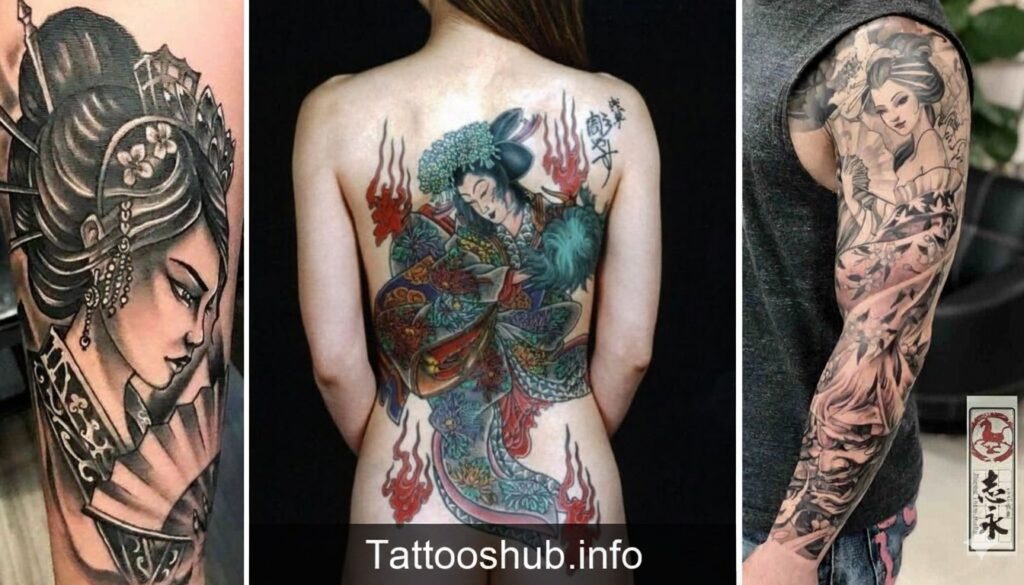
Understanding symbolism in Japanese tattoos helps you choose designs that align with personal values and aspirations. Each element carries layers of meaning developed through centuries of artistic tradition.
Floral Symbols in Japanese Culture
Flowers dominate Japanese tattoo symbolism, each variety representing specific virtues and concepts. The language of flowers (hanakotoba) remains integral to Japanese culture and art.
- Cherry Blossoms (Sakura): Represent life’s fleeting beauty, renewal, and appreciating present moments. The brief blooming period reminds us that beauty and life are temporary, making each moment precious.
- Peonies: Known as “the king of flowers,” peonies symbolize prosperity, bravery, honor, and good fortune. Their lush, full blooms represent living life fully and courageously.
- Lotus Flowers: Symbolize spiritual awakening, purity rising from muddy circumstances, and enlightenment. The lotus journey from murky pond bottoms to pristine blooms represents overcoming adversity.
- Chrysanthemums: Represent nobility, longevity, perfection, and the imperial family. These elaborate flowers symbolize living with purpose and integrity.
- Maple Leaves: Symbolize autumn, time’s passage, and finding beauty in change. These delicate leaves represent graceful acceptance of life’s transitions.
- Hydrangeas: Represent gratitude, heartfelt emotion, and apology. In Japanese culture, hydrangeas symbolize understanding and emotional depth.
Understanding Japanese flower tattoo meanings helps create designs that resonate with your personal journey and values.
Animal Symbolism
Japanese animal tattoos draw from both real creatures and mythological beings, each carrying specific symbolic meanings.
- Koi Fish: Symbolize perseverance, strength, courage, and transformation. The legend of koi becoming dragons after swimming upstream represents overcoming obstacles through determination.
- Dragons: Represent wisdom, strength, protection, and control over natural elements (particularly water). Japanese dragons are benevolent protectors rather than dangerous beasts.
- Tigers: Symbolize strength, courage, protection from evil, and control over wind. Tigers represent powerful guardian energy and fierce independence.
- Cranes: Represent longevity (1,000-year lifespan), good fortune, wisdom, and fidelity. Cranes mate for life, making them symbols of lasting love and loyalty.
- Snakes: Symbolize transformation (shedding skin), protection, healing, wisdom, and regeneration. Snakes guard treasures and sacred spaces in Japanese mythology.
- Phoenixes: Represent rebirth, triumph over adversity, renewal, and the cyclical nature of life. The phoenix rising from ashes symbolizes personal transformation and resilience.
- Butterflies: Symbolize transformation, the soul’s journey, femininity, and joy. The metamorphosis represents profound personal change and spiritual growth.
- Sparrows: Represent loyalty, companionship, family protection, and triumph over hardships. These adaptable birds symbolize freedom and resilience.
- Cats: Symbolize good fortune, protection from evil, prosperity, and independent spirit. Lucky cats (Maneki-neko) specifically invite positive energy and success.
- Octopi: Represent mystery, intelligence, adaptability, transformation, and feminine fluidity. These creatures symbolize strategic thinking and graceful movement.
Mythological Creatures
Japanese mythology provides rich sources for symbolic tattoo designs, from protective spirits to supernatural beings.
- Foo Dogs (Komainu): Guardian figures that protect sacred spaces and ward off evil spirits. These lion-dogs symbolize protection, courage, and loyalty.
- Oni: Demon figures that, despite fierce appearance, offer protection from negative forces and bad luck. Oni represent strength to confront personal demons.
- Hannya: Demon masks representing jealous female demons, symbolizing the duality of human emotion—beauty and rage, sorrow and strength. Hannya tattoos represent resilience through emotional pain.
- Tengu: Mountain-dwelling spirits that protect forests and mountains. Tengu represent martial prowess, pride, and natural world connections.
- Kitsune (Fox Spirits): Magical foxes with shape-shifting abilities, representing intelligence, cunning, protection, and feminine wiles. Kitsune serve as messengers between human and spirit worlds.
- Baku: Dream-eating creatures that protect against nightmares and evil spirits. Baku symbolize protection during vulnerable sleeping states.
Understanding these mythological creatures’ roles in Japanese folklore helps select designs with appropriate symbolic meanings.
Placement Ideas for Japanese Tattoos on Women
Placement significantly impacts your tattoo’s visual flow, pain level, and how it integrates with your body’s natural contours. Japanese tattoo art traditions emphasize following body shapes for harmonious compositions.
Sleeve Tattoos (Full and Half)
Sleeve tattoos represent quintessential Japanese tattooing, providing extensive canvas space for detailed narratives and compositions.
Full Sleeve: Extending from shoulder to wrist, full sleeves allow complete storytelling with multiple elements, backgrounds, and intricate details. Traditional compositions include:
- Primary subject (dragon, phoenix, koi) with supporting elements
- Background fills (waves, clouds, wind bars, flowers)
- Cohesive color schemes and flowing movement
- Careful attention to how designs wrap around arm contours
Full sleeve considerations:
- Time commitment: 20-40 hours across multiple sessions
- Cost: $2,000-$8,000+ depending on artist and detail level
- Pain levels: Varies by area (inner arm more sensitive)
- Professional visibility: Consider workplace policies
- Design flow: Works best when planned as complete composition
Half Sleeve: Covering shoulder to elbow or elbow to wrist, half sleeves offer substantial space while maintaining more flexibility for professional settings. These work beautifully for women wanting significant Japanese tattoo designs without full arm coverage.
Half sleeve advantages:
- Easier to conceal when necessary
- Less time and financial investment
- Still provides ample space for detailed designs
- Can be expanded to full sleeve later
Popular half sleeve designs for women:
- Koi fish swimming up the arm with water and lotus flowers
- Cherry blossom branches wrapping around with falling petals
- Phoenix or crane with wings spread across shoulder
- Geisha portrait with floral and architectural elements
- Dragon spiraling around arm with clouds and waves
Quarter Sleeve: Covering shoulder to mid-upper arm, quarter sleeves create statement pieces while remaining easily concealable. These suit women wanting meaningful Japanese tattoos without extensive commitments.
Back Pieces
Back tattoos provide the largest canvas for elaborate Japanese tattoo compositions. The broad, relatively flat surface allows artists to create stunning, detailed artwork following traditional irezumi principles.
Full Back: Extending from shoulders to lower back, full back pieces represent the pinnacle of Japanese tattoo art. Traditional body suits often center around elaborate back designs telling complete stories.
Full back designs typically feature:
- Central subject (dragon, phoenix, tiger, geisha)
- Supporting elements and backgrounds
- Symmetrical compositions
- Integration with natural body contours
- Color schemes enhancing the design’s impact
Popular full back themes for women:
- Phoenix rising with wings spread across shoulders
- Dragon coiled across back with clouds and waves
- Geisha surrounded by cherry blossoms and traditional architecture
- Koi pond scene with multiple fish, lotus flowers, and water
- Nature scenes featuring cranes, maple leaves, and seasonal elements
Full back considerations:
- Time investment: 40-100+ hours over many sessions
- Cost: $5,000-$20,000+ for quality work
- Pain levels: Generally moderate; spine area more sensitive
- Commitment: Largest single tattoo investment
- Healing: Requires careful attention during recovery
Upper Back/Shoulder Blade: This placement suits medium to large designs while remaining concealable. The shoulder blade area provides natural framing for compositions.
Design ideas:
- Single phoenix or crane with wings
- Cherry blossom branch extending across shoulders
- Lotus flower centered between shoulder blades
- Oni or Hannya mask with surrounding elements
- Symmetrical designs featuring paired elements
Lower Back: Lower back placements work for horizontal compositions extending across the back. While sometimes controversial, thoughtfully designed Japanese lower back tattoos create elegant statements.
Thigh and Leg Tattoos
Thighs provide excellent canvas space for Japanese tattoos, with curves naturally complementing flowing designs. This placement offers privacy control and works beautifully for large, detailed compositions.
Full Thigh: Wrapping around the thigh from hip to knee, these designs leverage the leg’s natural curves for dynamic compositions.
Popular thigh designs:
- Koi fish swimming down the leg with water elements
- Dragons coiling around thigh with clouds and scales detailed
- Tigers in dynamic poses with floral elements
- Geisha portraits with kimono details flowing down
- Floral compositions with peonies, cherry blossoms, and leaves
- Snakes spiraling around thigh with protective symbolism
Thigh tattoo advantages:
- Easily concealed or displayed based on clothing choices
- Relatively lower pain levels compared to bonier areas
- Ample space for detailed designs
- Natural curves enhance flowing compositions
- Can extend to full leg sleeve if desired
Calf Tattoos: Calf placements work for vertical compositions following the leg’s natural lines. The calf’s muscle provides good canvas space with moderate pain levels.
Calf design ideas:
- Koi swimming upward with water splashes
- Bamboo stalks with leaves
- Crane standing or in flight
- Floral arrangements with vertical flow
- Samurai or warrior imagery
- Waves with traditional styling
Ankle and Foot: Smaller placements around ankles and feet suit delicate Japanese designs. These areas are more painful but create beautiful, discrete statements.
Small placement ideas:
- Cherry blossom branch around ankle
- Small koi or dragon wrapping around foot
- Lotus flower on foot top
- Wave bands around ankle
- Minimalist Japanese symbols
Ribcage and Side Tattoos
Ribcage tattoos create intimate, meaningful pieces following the body’s natural curves. This placement typically ranks high in pain levels but produces stunning results.
Side/Ribcage Designs: Extending from under the breast to hip, side pieces allow vertical compositions integrating with body shape.
Popular ribcage designs for women:
- Cherry blossom branches flowing down the side
- Dragon or snake spiraling along ribs
- Geisha or samurai portraits with elements extending vertically
- Floral arrangements with peonies and chrysanthemums
- Phoenix with wings extending across ribs and back
- Japanese waves with koi fish
Ribcage considerations:
- Pain level: High due to thin skin over bones
- Healing: Requires extra care due to movement and clothing friction
- Privacy: Easily concealed for professional settings
- Intimacy: Personal placement for meaningful designs
Under-breast Tattoos: This placement creates stunning frames using the natural breast curve. Popular for floral designs, mandalas with Japanese elements, or horizontal compositions.
Small and Delicate Placements
Not all Japanese tattoos require large-scale commitments. Small, meaningful designs capture Japanese aesthetics in discrete placements perfect for first tattoos or supplementing existing collections.
Wrist:
- Small cherry blossom branch
- Minimalist koi outline
- Japanese symbols or characters
- Delicate wave patterns
- Tiny crane or butterfly
Behind Ear:
- Small cherry blossom
- Minimalist Japanese symbol
- Tiny lotus flower
- Simple wave design
- Small daruma doll
Finger:
- Minimal Japanese characters
- Tiny symbolic elements
- Simple wave bands
- Small floral motifs
Shoulder:
- Medium-sized floral designs
- Koi fish
- Daruma dolls
- Lotus flowers
- Small phoenixes or cranes
Forearm:
- Vertical compositions with bamboo or branches
- Koi swimming with water elements
- Japanese quotes or poetry
- Medium floral arrangements
- Smaller geisha or samurai imagery
Small placement advantages:
- Lower cost and time investment
- Testing commitment before larger pieces
- Easily concealed options
- Less painful experiences
- Can build into larger compositions later
Color Schemes and Styles
Color choices dramatically impact Japanese tattoo aesthetics and meanings. Traditional palettes follow specific conventions, while modern interpretations allow creative freedom.
Traditional Color Palette
Traditional Japanese tattoo colors draw from Ukiyo-e woodblock print aesthetics and natural pigment availability. These established palettes create authentic irezumi appearances.
Primary Traditional Colors:
- Red: Symbolizes passion, strength, blood, and life force. Traditional red pigments create bold, vibrant statements in flowers (peonies, cherry blossoms), koi fish, dragons, and accent elements.
- Black: Provides bold outlines, shading, and contrast. Sumi (black ink) creates depth and definition essential to traditional Japanese style. Black represents mystery, strength, and formality.
- Green: Represents nature, growth, and harmony. Traditional green appears in leaves, dragon scales, water elements, and backgrounds. Jade green tones particularly suit feminine designs.
- Blue: Symbolizes water, sky, and serenity. Traditional blues range from deep navy to vibrant cobalt. Water elements, backgrounds, and some creatures utilize blue extensively.
- Yellow/Gold: Represents wealth, prosperity, and divine light. Gold accents highlight important elements, create emphasis, and add richness to compositions. Often appears in chrysanthemums, koi, and decorative details.
- Purple: Symbolizes nobility, spirituality, and transformation. Traditional purples suit flowers (particularly peonies and lotus), phoenixes, and mystical elements.
- Orange: Represents energy, enthusiasm, and autumn. Orange appears in tigers, koi fish, maple leaves, and sunset elements.
- White: Used for highlights, purity symbols, and creating contrast. White adds dimension through highlighting rather than serving as primary color.
Traditional palette advantages:
- Time-tested color combinations
- Colors age well over decades
- Authentic Japanese aesthetic
- Bold visibility and impact
- Clear symbolic meanings
Black and Grey (Sumi) Style
Black and grey Japanese tattoos emphasize shading, texture, and contrast without color. This style, influenced by traditional Sumi ink painting, creates dramatic, sophisticated effects.
Sumi Style Characteristics:
- Relies on varying ink densities for depth
- Emphasizes shading techniques and gradients
- Highlights texture details (scales, petals, waves)
- Creates dramatic contrast through light and shadow
- Produces timeless aesthetic that ages gracefully
Best Subjects for Black and Grey:
- Dragons (emphasizing scales and movement)
- Koi fish (highlighting flowing fins and body shapes)
- Geishas (focusing on facial features and kimono patterns)
- Oni and Hannya masks (dramatic shadowing)
- Tigers (fur texture and muscle definition)
- Waves and water (movement through shading)
- Floral elements (petal layers and depth)
Black and grey advantages:
- Generally less painful (fewer passes over skin)
- Often costs less than color work
- Ages extremely well over time
- Sophisticated, classic appearance
- Easier touch-ups and maintenance
- Suits all skin tones beautifully
Watercolor Japanese Fusion
Watercolor techniques blend with traditional Japanese motifs for contemporary, artistic interpretations. This modern style adds softness and fluidity to Japanese elements.
Watercolor Characteristics:
- Soft, blended edges without bold outlines
- Color bleeds and gradients mimicking paint on paper
- Lighter, more delicate appearance
- Splashes and drips for artistic effects
- Pastel or vibrant color options
Popular Watercolor Japanese Designs:
- Cherry blossoms with soft pink and purple bleeds
- Koi fish with flowing watercolor tails and fins
- Abstract interpretations of traditional subjects
- Flowers with gentle color gradients
- Cranes or phoenixes with soft feather transitions
Watercolor considerations:
- May require more frequent touch-ups
- Less traditional appearance
- Better suited to certain design elements
- Aging patterns differ from traditional work
- Works best with skilled artists experienced in the technique
Neo-Japanese Style
Neo-Japanese represents the evolution of traditional irezumi into contemporary contexts. This style maintains recognizable Japanese elements while incorporating modern artistic sensibilities.
Neo-Japanese Characteristics:
- Exaggerated proportions and bold compositions
- Hyper-saturated colors beyond traditional palettes
- Modern shading techniques and effects
- Creative reinterpretations of traditional subjects
- Fusion with other tattoo styles (geometric, illustrative, etc.)
Neo-Japanese Innovations:
- Color: Neon pinks, electric blues, vibrant purples beyond traditional ranges
- Composition: Breaking traditional placement rules for creative effects
- Subjects: Modern interpretations of classic motifs
- Techniques: Digital-age shading and highlighting methods
- Fusion: Combining Japanese elements with contemporary styles
Popular neo-Japanese designs for women:
- Geishas with contemporary fashion or makeup
- Koi fish with exaggerated, flowing fins and saturated colors
- Dragons with stylized, almost graphic novel aesthetics
- Flowers with bold, vibrant color palettes
- Hannya masks with creative color schemes
Neo-Japanese suits women wanting Japanese aesthetics without strict traditional constraints. This style allows personal creative expression while honoring Japanese tattoo heritage.
Choosing Your Japanese Tattoo Design
Selecting the perfect Japanese tattoo involves balancing personal meaning, aesthetic preferences, practical considerations, and cultural respect. This decision deserves thoughtful consideration given the commitment involved.
Personal Meaning and Significance
The most meaningful Japanese tattoos resonate with your personal story, values, and aspirations. While appreciating beautiful aesthetics, consider deeper connections to your chosen designs.
Questions to Guide Selection:
What challenges have you overcome?
- Koi fish for perseverance through difficulties
- Phoenix for rising from hardship
- Lotus for emerging pure from muddy circumstances
- Snake for transformation and renewal
What values guide your life?
- Crane for loyalty and lasting love
- Cherry blossom for appreciating present moments
- Samurai elements for honor and discipline
- Foo dogs for protection of loved ones
What personal growth are you celebrating?
- Butterfly for metamorphosis
- Dragon for wisdom gained
- Bamboo for flexibility learned
- Peony for courage developed
What connections do you want to honor?
- Specific flowers representing loved ones
- Animals representing protective relationships
- Cultural heritage connections
- Spiritual or philosophical beliefs
Authentic personal meaning creates tattoos you’ll cherish for life. While Japanese symbols carry traditional meanings, your personal interpretation and connection matter most.
Size and Placement Considerations
Size and placement significantly impact design possibilities, pain levels, visibility, and costs. Consider these practical factors during planning.
Size Categories:
Small (Under 3 inches):
- Discrete placements (wrist, ankle, behind ear)
- Simple, iconic symbols work best
- Limited detail possible
- Lower cost ($100-$500)
- Single session completion
- Minimal pain and healing time
Medium (3-6 inches):
- Forearm, shoulder, calf placements
- Moderate detail achievable
- Single subjects with some elements
- Moderate cost ($500-$1,500)
- 1-2 sessions typically
- Manageable pain and healing
Large (6-12 inches):
- Thigh, upper arm, back sections
- Detailed compositions possible
- Multiple elements and backgrounds
- Higher cost ($1,500-$5,000)
- Multiple sessions required
- Extended healing periods
Extra Large (12+ inches):
- Sleeves, back pieces, full thigh
- Complete narratives possible
- Extensive detail and elements
- Significant cost ($5,000-$20,000+)
- Many sessions over months/years
- Requires significant commitment
Placement Pain Levels:
Lower Pain Areas:
- Outer arms and shoulders
- Thighs and calves
- Buttocks
- Upper back
Moderate Pain Areas:
- Forearms
- Lower back
- Ankles
- Neck
Higher Pain Areas:
- Ribs and sides
- Spine
- Feet and hands
- Inner arms
- Behind knees
Consider your pain tolerance honestly when selecting placement. Larger pieces in sensitive areas require multiple painful sessions, testing your commitment.
Visibility Considerations:
Easily Concealed:
- Thighs and hips
- Upper back
- Ribs and sides
- Upper arms
Sometimes Visible:
- Forearms (long sleeves conceal)
- Shoulders (depend on clothing)
- Calves (pants conceal)
- Feet and ankles (shoes/socks conceal)
Always Visible:
- Hands and fingers
- Neck
- Face (extremely rare)
Professional requirements, family considerations, and personal comfort with visibility should guide placement decisions.
Combining Multiple Elements
Traditional Japanese tattoos excel at combining multiple design elements into cohesive compositions. Understanding how elements work together creates harmonious, meaningful designs.
Traditional Combination Principles:
Natural Pairings:
- Koi with lotus flowers and water
- Dragons with clouds, waves, and wind
- Cherry blossoms with birds or butterflies
- Tigers with bamboo or peonies
- Phoenixes with flames or clouds
- Cranes with water or pine trees
Symbolic Combinations:
- Flowers representing virtues with animals representing qualities
- Protective symbols (foo dogs, oni) with personal elements
- Seasonal elements grouped appropriately
- Yin-yang balancing (soft/hard, light/dark, feminine/masculine)
Background Elements:
- Japanese waves suggesting water and movement
- Clouds indicating heavenly or mystical realms
- Wind bars showing invisible forces
- Rocks representing stability and endurance
- Traditional geometric patterns (seigaiha, asanoha)
Color Harmony: Creating cohesive color schemes ensures elements work together rather than competing:
- Complementary colors for contrast
- Analogous colors for harmony
- Warm or cool palettes for unified feelings
- Strategic accent colors for emphasis
Compositional Flow: Japanese tattoos should flow naturally with body contours:
- Follow muscle lines and body curves
- Consider how movement affects appearance
- Create visual balance across placement
- Design elements moving in natural directions
Working with experienced Japanese tattoo artists ensures traditional combination principles are respected while incorporating your personal vision.
Finding the Right Tattoo Artist
Artist selection critically impacts your tattoo’s quality, authenticity, and how well it captures your vision. Japanese tattoo art requires specific skills and cultural understanding that not all tattoo artists possess.
Specialization in Japanese Style
Japanese tattooing encompasses distinct techniques, aesthetic principles, and cultural knowledge. Seek artists specializing in Japanese style rather than generalists who do various styles.
What Specialization Means:
Technical Expertise:
- Understanding traditional composition rules
- Mastery of Japanese shading techniques
- Knowledge of color theory for traditional palettes
- Skill in creating flowing, dynamic designs
- Experience with various Japanese subjects
Cultural Knowledge:
- Understanding symbolism and meanings
- Awareness of appropriate element combinations
- Respect for cultural significance
- Knowledge of irezumi history and traditions
- Sensitivity to cultural appropriation concerns
Artistic Training:
- Study of Ukiyo-e and traditional Japanese art
- Understanding of Japanese aesthetic principles
- Experience adapting traditional designs for modern contexts
- Ability to create custom designs honoring traditions
Where to Find Specialized Artists:
Research Methods:
- Instagram and social media portfolios
- Tattoo convention attendance
- Japanese tattoo studio websites
- Online tattoo directories and review sites
- Recommendations from others with quality Japanese work
Geographic Considerations:
- Major cities typically have more specialized artists
- Traveling to renowned artists may be worthwhile
- Japanese tattoo specialists exist worldwide
- Consider artists who’ve trained in Japan
Portfolio Review Tips
Artist portfolios reveal skill levels, style consistency, and whether their aesthetic matches your vision. Review portfolios critically before committing.
What to Look For:
Technical Quality:
- Clean, crisp lines without blowouts
- Smooth shading and gradients
- Proper color saturation and blending
- Appropriate detail level for tattoo size
- Well-healed photos showing aging quality
Japanese Specifics:
- Authentic compositions following traditional principles
- Proper proportions and anatomy
- Appropriate use of background elements
- Cultural accuracy in symbolism
- Range of Japanese subjects executed well
Consistency:
- Multiple examples of Japanese work
- Consistent quality across different projects
- Various sizes and placements
- Both fresh and healed tattoo photos
Red Flags:
- Limited Japanese style examples
- Poor line work or shading
- Cultural inaccuracies or insensitive designs
- Overly perfect photos suggesting heavy filtering
- Lack of healed tattoo examples
Questions to Ask:
- “How long have you specialized in Japanese tattooing?”
- “Have you studied traditional Japanese art or trained with Japanese artists?”
- “Can you explain the cultural significance of the elements in your designs?”
- “Do you have photos of healed Japanese tattoos from past clients?”
- “What’s your approach to creating custom Japanese designs?”
- “How do you ensure cultural sensitivity and authenticity?”
Consultation Process
Consultations allow you to meet artists, discuss your vision, assess compatibility, and begin design development. Take consultations seriously as they set foundations for successful collaborations.
Consultation Preparation:
Bring:
- Reference images showing desired elements
- Photos of placement areas
- Size and budget information
- Questions and concerns
- Open mind for artist input
Discuss:
- Your concept and desired elements
- Personal meaning and symbolism
- Size, placement, and orientation
- Color preferences (traditional vs. custom)
- Timeline and session planning
- Pricing and payment structure
- Aftercare instructions
Evaluate:
- Artist’s enthusiasm and understanding
- Their suggestions and creative input
- Communication style and professionalism
- Studio cleanliness and professionalism
- Your comfort level and confidence
Design Development:
Most quality Japanese tattoos require custom design work:
- Artists typically charge design fees or deposits
- Expect multiple design revisions
- Provide feedback clearly and specifically
- Trust artist expertise on technical matters
- Maintain realistic expectations about detail levels
Session Planning:
Large Japanese tattoos require multiple sessions:
- Discuss realistic timelines
- Understand session lengths (3-8 hours typical)
- Plan sessions around healing periods (4-6 weeks between)
- Discuss approach (outline first, then shading/color vs. completing sections)
- Consider your schedule and pain tolerance
Red Flags During Consultations:
- Artist unwilling to discuss cultural meanings
- Pushy about design choices against your preferences
- Dismissive of your concerns or questions
- Unable to explain their Japanese tattoo experience
- Unclear pricing or unwilling to provide estimates
- Unsanitary studio conditions
- Artist appears under influence
- Pressure to commit immediately
Trust your instincts. If something feels off during consultations, continue searching. The right artist will make you feel confident and excited about your tattoo journey.
Tattoo Care and Maintenance
Proper aftercare ensures your Japanese tattoo heals beautifully and maintains vibrancy for decades. Large, colorful Japanese pieces require extra attention during healing and long-term maintenance.
Healing Process for Large Designs
Large Japanese tattoos present unique healing challenges compared to smaller pieces. Multiple sessions mean repeated healing processes, requiring consistent care and patience.
Immediate Aftercare (First 2-3 Hours):
Your artist will bandage your fresh tattoo. Instructions typically include:
- Keep initial bandage on for 2-3 hours (or overnight if using specific medical bandages)
- Wash hands thoroughly before touching tattoo
- Remove bandage carefully, avoiding forcing stuck areas
- Gently wash with antibacterial soap and lukewarm water
- Pat dry with clean paper towels (not cloth towels)
- Apply thin layer of recommended ointment
Initial Healing Phase (Days 1-14):
The first two weeks prove critical for proper healing:
Days 1-3:
- Tattoo will weep plasma, ink, and blood
- Wash 2-3 times daily with antibacterial soap
- Apply thin ointment layers after washing
- Avoid tight clothing rubbing tattoo
- Sleep on clean sheets, preferably on back if tattoo placement allows
- Expect swelling and tenderness
Days 4-7:
- Scabbing begins forming
- Itching intensifies (DO NOT SCRATCH)
- Continue washing 2-3 times daily
- Switch from ointment to fragrance-free lotion if instructed
- Scabs will be darker than final tattoo color
- Avoid picking or scratching scabs
Days 8-14:
- Scabs begin falling off naturally
- Colors appear dull under remaining scabs
- Maintain washing and moisturizing routine
- New skin feels tight and dry
- Continue avoiding scratching
- Some flaking and peeling normal
Continued Healing (Weeks 2-6):
Though tattoos look healed after two weeks, complete healing takes 4-6 weeks:
- Continue moisturizing regularly
- Avoid sun exposure
- Don’t submerge in water (pools, ocean, baths)
- Watch for infection signs (unusual redness, pus, excessive swelling)
- Colors will settle into final appearance
- Surface healing complete, but deeper layers still healing
Large Tattoo Specific Concerns:
Multiple Session Healing:
- Allow complete healing between sessions (4-6 weeks minimum)
- Already healed areas require protection during new sessions
- Healing multiple times tests patience
- Cumulative care across months or years
Body Part Challenges:
- Back pieces: Difficult to reach for washing and moisturizing
- Sleeves: Clothing friction constant concern
- Ribs: Movement and clothing make healing uncomfortable
- Thighs: Walking creates friction and movement
Managing Large Healing Areas:
- Enlist help for hard-to-reach areas
- Wear loose, breathable clothing
- Plan sessions during cooler months if possible
- Take time off work if placement conflicts with job requirements
Color Preservation
Japanese tattoos are renowned for vibrant colors, but maintaining that vibrancy requires proactive care. Colors fade over time without proper protection and maintenance.
Sun Protection (Most Important Factor):
UV rays are tattoo color’s greatest enemy:
- Apply SPF 50+ sunscreen to tattoos whenever exposed
- Reapply sunscreen every 2 hours in direct sunlight
- Wear protective clothing when possible
- Seek shade during peak sun hours
- Consider UV-protective clothing for frequently exposed tattoos
- Start sun protection after complete healing (4-6 weeks)
Color-Specific Concerns:
Different colors fade at different rates:
- Red and Pink: Fade fastest, require most protection
- Yellow and Orange: Fade quickly without sun protection
- Purple: Prone to fading, needs extra care
- Blue and Black: Most stable, fade slowest
- Green: Moderate fading, maintains well with care
- White: Yellows without protection, very delicate
Moisturization:
Keep tattoos moisturized for optimal color retention:
- Use fragrance-free, tattoo-specific lotions daily
- Moisturize after showering when skin is damp
- Avoid petroleum-based products for long-term care
- Drink adequate water for skin health
Lifestyle Factors Affecting Color:
- Swimming: Chlorine and saltwater fade colors faster
- Tanning: Absolutely avoid tanning beds; outdoor tanning damages tattoos
- Exfoliation: Gentle exfoliation okay, but avoid aggressive scrubbing
- Hot Tubs: Excessive heat and chemicals harm tattoo colors
- Clothing: Dark, tight clothing may cause friction-based fading
Touch-ups and Long-term Care
Even with perfect care, tattoos naturally fade over years. Touch-ups restore vibrancy and maintain your investment’s appearance.
When Touch-ups Are Needed:
Minor Touch-ups (5-10 years):
- Colors appear less vibrant
- Some line work may need darkening
- Small areas may need detail restoration
- Normal aging process requiring maintenance
Significant Touch-ups (15+ years):
- Substantial color fading across design
- Line work spreading or losing definition
- Overall appearance significantly duller
- May require extensive rework
Factors Affecting Touch-up Frequency:
- Sun exposure levels
- Skin type and tone
- Tattoo placement (frequently moving areas fade faster)
- Original ink quality and application depth
- Your body’s healing response
- Care consistency throughout years
Touch-up Process:
- Return to original artist when possible
- Bring photos of fresh tattoo for color matching
- Discuss areas needing attention
- Touch-ups typically less expensive than original
- Healing process same as initial tattoo
- May complete touch-ups in single session for smaller areas
Long-term Maintenance Routine:
Daily:
- Moisturize tattoos as part of regular skincare
- Check for any changes or concerns
When Going Outside:
- Apply sunscreen to tattooed areas
- Wear protective clothing when possible
- Seek shade during extended outdoor time
Monthly:
- Inspect tattoos carefully for fading or changes
- Document appearance with photos for tracking
- Adjust care routine if noticing issues
Annually:
- Professional evaluation by tattoo artist
- Discuss whether touch-ups needed
- Address any concerns about appearance
Preventing Premature Aging:
Beyond standard care, certain practices preserve tattoos longer:
- Maintain healthy weight (significant fluctuations distort tattoos)
- Stay hydrated for skin health
- Eat nutritious diet supporting skin integrity
- Avoid smoking (accelerates skin aging and tattoo fading)
- Manage stress (affects skin health)
- Regular exercise (promotes healthy skin)
Quality Japanese tattoos represent significant investments. Proper long-term care ensures your beautiful irezumi remains vibrant and stunning for decades.
Cost and Time Investment
Understanding financial and time commitments helps you budget appropriately and set realistic expectations for your Japanese tattoo journey.
Pricing for Different Sizes
Tattoo pricing varies significantly based on size, complexity, artist experience, geographic location, and whether designs are custom or flash. Japanese tattoos typically cost more than simpler styles due to technical complexity and time requirements.
General Pricing Guidelines:
Small Japanese Tattoos (Under 3 inches):
- Simple designs: $150-$300
- Moderate detail: $300-$500
- Highly detailed: $500-$800
- Single session completion
- Examples: Small koi, cherry blossom branch, minimalist symbols
Medium Japanese Tattoos (3-6 inches):
- Simple to moderate: $500-$1,200
- Complex designs: $1,200-$2,000
- 1-2 sessions typically
- Examples: Single flower with elements, medium koi, small geisha portrait
Large Japanese Tattoos (6-12 inches):
- Moderate complexity: $1,500-$3,000
- High complexity: $3,000-$6,000
- Multiple sessions required
- Examples: Thigh pieces, upper back designs, quarter sleeves
Extra Large Pieces:
Half Sleeve:
- $2,000-$5,000 average
- 15-25 hours typical
- 3-6 sessions usually
- Shoulder to elbow or elbow to wrist
Full Sleeve:
- $3,000-$8,000+ average
- 25-40 hours typical
- 5-10 sessions
- Shoulder to wrist coverage
Back Piece:
- $5,000-$15,000+ average
- 40-80+ hours possible
- 10-20+ sessions
- Full back coverage with complex designs
Body Suit Elements:
- $15,000-$50,000+ total
- 100-200+ hours
- Many sessions over years
- Multiple areas connected into cohesive design
Factors Affecting Price:
Artist Experience:
- Apprentice/newer artists: $80-$150/hour
- Mid-level experienced: $150-$250/hour
- Highly experienced/renowned: $250-$400+/hour
- Celebrity artists: $400-$1,000+/hour
Geographic Location:
- Small cities/rural: Generally lower rates
- Major metropolitan areas: Higher rates
- Coastal cities: Typically most expensive
- International travel: Factor in travel costs plus artist rates
Design Complexity:
- Simple compositions with single subjects cost less
- Multiple elements with backgrounds increase pricing
- Color work typically costs more than black and grey
- Custom designs may include separate design fees
- Traditional authentic designs may command premium pricing
Studio Overhead:
- High-end studios in premium locations cost more
- Private studios vs. shop environments
- Reputation and demand affect pricing
Payment Structures:
Most artists use one of these pricing approaches:
Hourly Rate:
- Pay for actual time spent tattooing
- More common for large projects
- Allows flexibility if design changes
- Requires multiple payments across sessions
- Average: $150-$300/hour for quality Japanese specialists
Flat Rate/Project Price:
- Single agreed price for complete tattoo
- Common for smaller, clearly defined pieces
- Provides cost certainty upfront
- May require full or partial payment upfront
- Better for budget planning
Day Rate:
- Some artists charge per full-day session
- Typical for large projects
- Usually 6-8 hours of work
- Efficient for large pieces
- Average: $1,000-$2,500/day session
Deposits and Payment:
- Non-refundable deposits typical ($100-$500)
- Deposits applied to final cost
- Cash often preferred (some offer card payments)
- Tipping customary (15-20% of total cost)
- Payment plans sometimes available for large projects
Session Planning for Large Pieces
Large Japanese tattoos require multiple sessions scheduled strategically for best results and your wellbeing.
Session Length Considerations:
Short Sessions (2-3 hours):
- Better for sensitive areas
- Suits those with lower pain tolerance
- Allows more frequent appointments
- Less tiring for both artist and client
- More total sessions needed
Medium Sessions (4-5 hours):
- Most common session length
- Balance between progress and comfort
- Works for most body areas
- Typical for steady, consistent progress
- Manageable for most people
Long Sessions (6-8+ hours):
- Significant progress per session
- Requires high pain tolerance
- Best for less sensitive areas
- Fewer total sessions needed
- Very tiring; plan recovery time
Factors Affecting Session Length:
- Your pain tolerance and endurance
- Tattoo placement sensitivity
- Artist’s working pace and style
- Design complexity in specific sections
- Your schedule and availability
- Healing time needed between sessions
Typical Session Schedules by Project:
Half Sleeve (15-25 hours):
- 3-6 sessions depending on length
- 4-6 weeks between sessions
- 4-9 months total timeline
- Session 1: Outline and primary subject
- Sessions 2-4: Color and shading
- Sessions 5-6: Background and details/touch-ups
Full Sleeve (25-40 hours):
- 5-10 sessions typical
- 4-6 weeks between sessions
- 6-15 months total timeline
- Sessions 1-2: Outlines
- Sessions 3-6: Primary subjects, color, and shading
- Sessions 7-10: Background elements, details, touch-ups
Back Piece (40-80+ hours):
- 10-20+ sessions typical
- 4-6 weeks between sessions
- 1-3 years total timeline
- Sessions vary by approach (outline all vs. complete sections)
- Significant commitment requiring patience
Planning Your Session Schedule:
Between-Session Timing:
- Minimum 4 weeks between sessions
- 6 weeks ideal for complete healing
- Longer breaks acceptable (won’t harm design)
- Schedule around life events (weddings, vacations, etc.)
- Consider seasonal factors (avoid sun exposure during healing)
Session Approach Options:
Outline-First Approach:
- Complete all outlines across design
- Then return for shading and color
- Allows seeing complete composition early
- Traditional approach for large pieces
- May require more total sessions
Section-by-Section Approach:
- Complete one section fully before starting next
- Each session finishes specific area
- Progress more visible after each session
- Can pause project without incomplete appearance
- Flexible for budget and schedule
Preparation for Sessions:
Before Appointments:
- Get full night’s sleep
- Eat substantial meal 1-2 hours before
- Stay well-hydrated days leading up
- Avoid alcohol 24 hours before
- Avoid aspirin/blood thinners
- Wear comfortable, appropriate clothing
- Bring entertainment (music, podcasts)
- Bring snacks and drinks
- Plan transportation (avoid driving after long sessions)
During Sessions:
- Communicate about pain levels
- Take breaks when needed
- Stay hydrated and maintain blood sugar
- Bring stress balls or fidgets
- Practice breathing techniques
- Stay still as possible when artist working
After Sessions:
- Follow aftercare instructions precisely
- Avoid strenuous activity initially
- Plan rest time after long sessions
- Keep area clean and moisturized
- Monitor for any complications
- Schedule next appointment before leaving
Cultural Sensitivity and Respect
Japanese tattoo art carries deep cultural significance. Approaching these designs with respect and understanding honors the tradition while avoiding appropriation concerns.
Understanding Japanese Cultural Context
Japanese tattoos evolved within specific cultural contexts spanning centuries. Understanding this background helps you appreciate and respect the art form properly.
Historical Context:
Traditional irezumi developed during the Edo period (1603-1868) when elaborate body art became synonymous with specific social classes and professions. Firefighters, merchants, and laborers wore tattoos as protective talismans and status symbols.
The art form drew heavily from Ukiyo-e woodblock prints, adapting popular imagery onto skin. Artists transferred compositions from paper to bodies, creating wearable art following established aesthetic principles.
Cultural Associations:
Yakuza Connection: Japanese organized crime syndicates adopted elaborate full-body tattoos as identity markers. This association created social stigma that persists today, despite tattoos’ longer, more diverse history.
Modern Japan maintains complicated relationships with tattoos:
- Many public baths prohibit visible tattoos
- Some employers discourage or ban tattoos
- Younger generations increasingly accepting
- Foreign tourists with tattoos sometimes face restrictions
Sacred and Spiritual Elements:
Many Japanese tattoo elements carry religious or spiritual significance:
- Buddhist imagery (lotus flowers, dharma wheels)
- Shinto symbols (torii gates, shrine elements)
- Mythological beings with spiritual roles
- Protective talismans and charms
Artistic Traditions:
Japanese aesthetic principles guide authentic designs:
- Ma (negative space): Strategic use of empty space
- Wabi-sabi: Finding beauty in imperfection
- Mono no aware: Appreciating transience
- Iki: Sophisticated, understated elegance
Understanding these principles helps appreciate why traditional Japanese tattoos look the way they do.
Avoiding Cultural Appropriation
Cultural appropriation concerns arise when people from outside a culture adopt elements without understanding, respect, or proper context. Japanese tattoos require thoughtful approaches to avoid appropriation.
What Constitutes Appropriation:
Disrespectful Uses:
- Treating sacred symbols as purely decorative
- Mixing elements from different Asian cultures carelessly
- Using imagery without understanding meanings
- Getting kanji without knowing what they say
- Claiming cultural connection that doesn’t exist
Surface-Level Adoption:
- Copying aesthetics while dismissing cultural significance
- Treating complex traditions as fashion trends
- Ignoring historical and spiritual contexts
- Reducing rich artistic tradition to “looking cool”
What Constitutes Appreciation:
Respectful Engagement:
- Learning about designs’ cultural meanings
- Understanding historical and spiritual contexts
- Working with knowledgeable, respectful artists
- Acknowledging cultural origins openly
- Approaching designs with humility and respect
Thoughtful Selection:
- Choosing designs that resonate personally while respecting meanings
- Avoiding sacred religious symbols if not practicing the faith
- Understanding symbolism before committing
- Being prepared to explain your choices respectfully
Guidelines for Respectful Approaches:
Research and Learn:
- Study Japanese tattoo history and traditions
- Understand specific symbols and their meanings
- Learn about cultural contexts
- Read about Japanese aesthetic principles
- Follow Japanese tattoo artists and cultural experts
Choose Appropriate Elements:
- Personal meanings that align with traditional symbolism
- Decorative elements (flowers, waves, etc.) generally acceptable
- Avoid sacred religious imagery if not part of your practice
- Consider whether you have meaningful connections to specific symbols
Work with Knowledgeable Artists:
- Choose artists who understand cultural contexts
- Discuss cultural sensitivity during consultations
- Ask about appropriate and inappropriate combinations
- Trust artist guidance on cultural matters
Be Prepared to Discuss:
- People may ask about your tattoos
- Be ready to explain your choices respectfully
- Acknowledge cultural origins and your appreciation
- Admit what you’re still learning
- Never claim false cultural connections
Specific Considerations:
Japanese Characters and Script:
- Verify translations with native speakers
- Understand that kanji may have multiple meanings
- Consider that Japanese people will see and potentially judge accuracy
- Recognize that script tattoos may come across as superficial
- Ensure proper stroke order and writing style
Religious and Sacred Imagery:
- Buddhist symbols (if not Buddhist): Approach with extra care
- Shinto elements: Understand spiritual significance
- Temple or shrine imagery: Consider whether appropriate
- Deities or divine figures: Especially sensitive
Regional and Historical Accuracy:
- Different Japanese regions have distinct artistic styles
- Edo period aesthetics differ from other eras
- Mixing styles carelessly may appear ignorant
- Ask artists about maintaining cultural accuracy
Respectful Representation
Beyond avoiding appropriation, actively representing Japanese tattoo culture respectfully enhances the tradition and your relationship with your body art.
Educate Others:
When people ask about your Japanese tattoos:
- Share what you’ve learned about symbolism and history
- Credit Japanese cultural origins explicitly
- Express appreciation for the artistic tradition
- Acknowledge you’re not Japanese (if applicable) but deeply respect the culture
- Encourage others to research if interested
Support Japanese Tattoo Artists:
- Seek out artists of Japanese heritage when possible
- Support artists who’ve trained traditionally
- Follow and promote authentic Japanese tattoo culture
- Attend conventions featuring Japanese artists
- Share genuine irezumi art on social media
Continue Learning:
Cultural understanding is ongoing:
- Read about Japanese history and culture beyond tattoos
- Follow Japanese cultural experts and educators
- Stay updated on contemporary Japanese perspectives
- Engage with Japanese art forms more broadly
- Remain humble about your knowledge limitations
Handle Criticism Graciously:
If someone questions your Japanese tattoos:
- Listen to concerns without becoming defensive
- Acknowledge valid points about cultural sensitivity
- Explain your approach and research process
- Admit mistakes if you’ve made them
- Use feedback to deepen understanding
Context-Appropriate Sharing:
Consider contexts when displaying your tattoos:
- Some settings may not be appropriate for visible tattoos
- Be aware of cultural sensitivities in different spaces
- Respect Japanese establishments’ tattoo policies if traveling
- Don’t force others to engage with your tattoo choices
Supporting Cultural Exchange:
Healthy cultural exchange differs from appropriation:
- Japanese artists often welcome international interest
- Many Japanese tattooers work globally, adapting traditions
- Cross-cultural appreciation can be mutually enriching
- The key: Respect, understanding, and giving back to the culture
Giving Back:
Ways to support Japanese culture beyond wearing the art:
- Support Japanese artists and businesses
- Learn about Japanese history and contemporary issues
- Advocate for Asian communities facing discrimination
- Acknowledge ongoing cultural contributions
- Share accurate information combating stereotypes
Japanese tattoos carry responsibilities beyond regular tattoos. Wearing these designs means representing a cultural tradition on your body. Approaching this honor with respect, humility, and ongoing education ensures your relationship with your tattoos remains positive and culturally sensitive.
Frequently Asked Questions
Do Japanese tattoos hurt more than other styles?
Pain levels depend more on placement than style. However, Japanese tattoos often cover larger areas and require multiple long sessions, meaning more cumulative pain. The bold outlines traditional to Japanese work may feel more intense than fine-line styles. Color packing, common in Japanese tattoos, can be particularly uncomfortable. That said, pain is subjective and manageable with proper preparation, breaks, and communication with your artist.
How long do Japanese tattoos take to complete?
Small Japanese tattoos (under 3 inches) typically complete in single 1-3 hour sessions. Medium pieces (3-6 inches) need 1-2 sessions. Half sleeves require 3-6 sessions over 4-9 months. Full sleeves take 5-10 sessions across 6-15 months. Back pieces need 10-20+ sessions spanning 1-3 years. Total time depends on size, complexity, your pain tolerance, healing speed, and artist’s schedule.
Can I get a small Japanese tattoo or do they need to be large?
While traditional irezumi emphasizes large-scale work, modern interpretations include beautiful small Japanese tattoos. Designs like small koi fish, cherry blossom branches, lotus flowers, or minimalist Japanese symbols work wonderfully in compact spaces. The key is choosing designs that maintain impact and clarity at smaller scales. Discuss with your artist which elements translate well to your desired size.
Are Japanese tattoos only for people of Japanese heritage?
No, Japanese tattoo art has become internationally appreciated and adopted. However, approaching these designs respectfully is crucial. Research meanings, work with knowledgeable artists, avoid sacred symbols if not part of your spiritual practice, and be prepared to discuss your choices respectfully. Many Japanese artists welcome international interest when approached with genuine respect and cultural sensitivity.
What’s the difference between Japanese and Chinese tattoo styles?
While both are East Asian styles sharing some influences, they differ significantly. Japanese tattoos emphasize bold outlines, specific background elements (waves, clouds, wind bars), and compositions following Ukiyo-e principles. Color palettes lean toward vibrant primaries. Chinese tattoos often feature calligraphy, different mythological creatures (Chinese dragons have five claws vs. Japanese three), and distinct aesthetic principles. Don’t mix elements from both cultures carelessly—work with artists who understand the differences.
Do I need to understand Japanese culture to get a Japanese tattoo?
While not required to be an expert, basic cultural understanding shows respect for the tradition you’re adopting. Learn about your chosen designs’ meanings, understand Japanese tattoo history, and approach the art with appreciation rather than treating it as purely aesthetic. Research demonstrates respect for the culture and ensures your tattoo carries appropriate meaning.
How much do Japanese tattoos cost?
Small Japanese tattoos range from $150-$800. Medium pieces cost $500-$2,000. Half sleeves typically run $2,000-$5,000. Full sleeves average $3,000-$8,000+. Back pieces cost $5,000-$15,000+. Prices vary by artist experience, geographic location, design complexity, and whether custom or flash. Budget for tipping (15-20%) and potential touch-ups years later.
Will Japanese tattoos fade faster than other styles?
Japanese tattoos’ longevity depends on care, not style. Bold traditional work with proper saturation often ages better than delicate styles. However, vibrant colors (reds, pinks, yellows) fade faster without sun protection. Black and grey Japanese tattoos typically maintain appearance longest. Proper aftercare, sun protection, and moisturization preserve any tattoo, regardless of style. Quality application by experienced artists ensures tattoos age well.
Can I mix Japanese elements with other tattoo styles?
Yes, fusion approaches can work beautifully when done thoughtfully. Neo-Japanese style already blends traditional elements with modern techniques. Watercolor Japanese fusion creates softer interpretations. Some combine Japanese subjects with geometric patterns or illustrative styles. The key: Work with artists experienced in multiple styles who can blend elements cohesively rather than creating conflicting compositions.
Are there Japanese tattoo designs specifically for women?
Traditional irezumi didn’t specifically gender designs, but modern interpretations emphasize feminine aesthetics. Popular choices for women include cherry blossoms (grace, beauty), peonies (elegance, bravery), phoenixes (rebirth, resilience), koi fish (perseverance), lotus flowers (purity, enlightenment), cranes (longevity, loyalty), and geishas (beauty, grace). Any Japanese design can be adapted with feminine touches through color choices, softer compositions, or combined with delicate elements.
What should I avoid in Japanese tattoo designs?
Avoid mixing Japanese elements with other Asian cultures carelessly (Chinese, Korean, Thai elements each have distinct traditions). Don’t use sacred religious symbols as purely decorative if you don’t practice the faith. Avoid yakuza-specific imagery unless you understand implications. Don’t get kanji without verification from native speakers. Avoid cliché combinations that show lack of understanding. Work with knowledgeable artists who can guide culturally appropriate choices.
How do I find an authentic Japanese tattoo artist?
Search Instagram and social media using hashtags like #irezumi, #japanesetattoo, #wabori. Look for artists with extensive Japanese-specific portfolios showing consistent quality. Check if they’ve trained with Japanese masters or studied in Japan. Read reviews and ask for recommendations. Attend tattoo conventions featuring Japanese artists. Don’t choose artists based solely on price—expertise in Japanese style is worth premium rates.
Can Japanese tattoos be removed or covered up?
Laser removal works on Japanese tattoos but requires many sessions due to bold lines and color saturation. Black and grey remove more easily than colors. Cover-ups are possible but challenging due to Japanese tattoos’ typically bold, dark nature. Covering a Japanese tattoo usually requires a larger, darker design. Consult removal specialists or cover-up artists for specific assessments. Prevention through careful initial choices is easier than correction later.
Do Japanese tattoos have to follow traditional rules?
Traditional irezumi follows specific compositional principles developed over centuries. However, modern Japanese tattooing includes neo-Japanese and fusion approaches that reinterpret traditions creatively. Decide whether you want authentic traditional work (requiring adherence to established rules) or contemporary interpretations (allowing more freedom). Discuss your preferences with your artist—some specialize in traditional authenticity, others in modern adaptations.
How painful are ribcage Japanese tattoos?
Ribcages rank among the most painful tattoo placements due to thin skin directly over bones and proximity to organs. Sharp, intense sensations are common, especially near the sternum and under-breast area. However, pain tolerance varies individually. Many find the result worth the discomfort. Strategies for managing pain include shorter sessions, breaks, breathing techniques, and perhaps starting elsewhere to gauge your tolerance before committing to rib work.
Can I add to my Japanese tattoo later?
Yes, Japanese tattoos work excellently for gradual expansion. Many start with smaller pieces and expand into sleeves or back pieces over years. The key: Planning ahead. Even if getting a small tattoo initially, discuss potential future expansion with your artist. They can position and design initial work to flow naturally into larger compositions. Keeping the same artist for expansions ensures stylistic consistency.
What’s the best season for getting Japanese tattoos?
Fall and winter offer advantages: cooler weather reduces sweating and infection risks, clothing more easily conceals healing tattoos, and avoiding sun exposure is easier. However, summer allows wearing less clothing during sessions, potentially more comfortable. Spring and fall avoid temperature extremes. Ultimately, consider your schedule, pain tolerance, and whether your placement requires specific clothing during healing. Large pieces span multiple seasons anyway.
Are Japanese tattoos appropriate for professional environments?
This depends entirely on your specific workplace and industry. Conservative fields (law, finance, corporate) traditionally discourage visible tattoos. Creative industries often embrace them. Consider placement carefully—easily concealed tattoos (thighs, back, upper arms) provide flexibility. Some opt for professional consultation before committing to visible placements. Workplace cultures are gradually shifting toward acceptance, but research your specific field’s norms.
How do I care for Japanese tattoos long-term?
Apply SPF 50+ sunscreen whenever tattoos are exposed to sun. Moisturize daily with fragrance-free lotion. Avoid excessive sun exposure, tanning beds, and prolonged water submersion. Maintain stable weight (significant fluctuations distort tattoos). Stay hydrated and maintain healthy skin. Avoid harsh exfoliation on tattooed areas. Plan for touch-ups every 5-10 years to maintain vibrancy. Document appearance with photos to track changes over time.
Can pregnant or breastfeeding women get Japanese tattoos?
Most reputable artists refuse to tattoo pregnant or breastfeeding women. Pregnancy creates immune system changes, healing complications, and unknown risks to developing babies. Breastfeeding poses similar concerns about ink entering milk supply. Wait until after pregnancy and breastfeeding completion before getting tattooed. If you discover pregnancy after tattooing, inform your healthcare provider but don’t panic—risks are primarily theoretical at this point.