
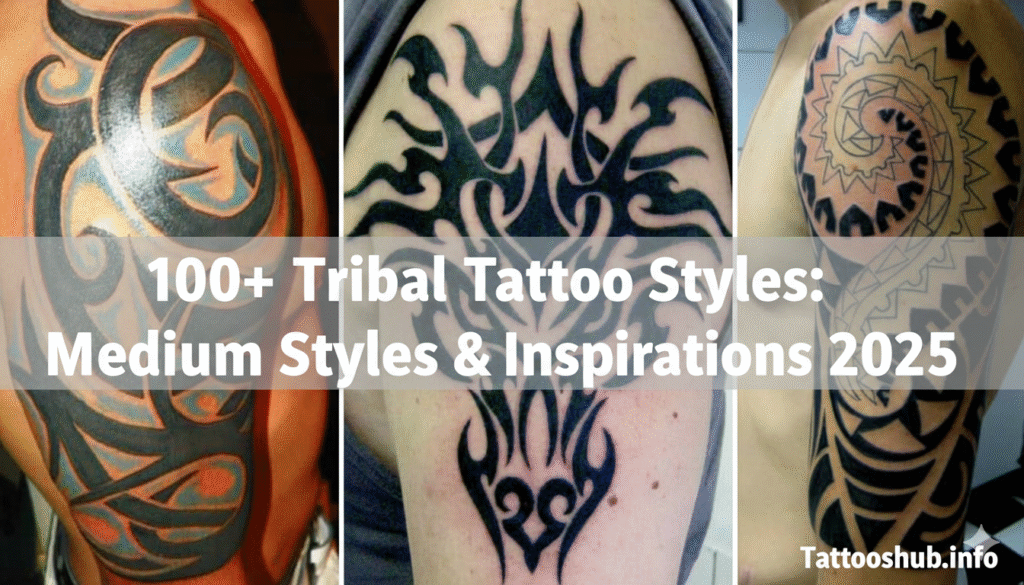
Tribal tattoos have a rich history, deeply rooted in ancient cultures across the world. These designs are not just art but a reflection of personal beliefs, heritage, and even spiritual connections. Over the years, tribal tattoos have evolved, influencing the tattoo scene globally and becoming symbols of power, protection, and unity.
If you’re considering a tribal tattoo, you’ve come to the right place! In this guide, we’ll explore the diverse world of tribal tattoo styles, from Polynesian tattoos to Native American designs, and everything in between. This article will cover the history and meaning behind these tattoos, popular designs, tips for choosing the right one for you, and how to make sure it resonates with your personal journey.
Table of Contents
Popular Tribal Tattoo Styles
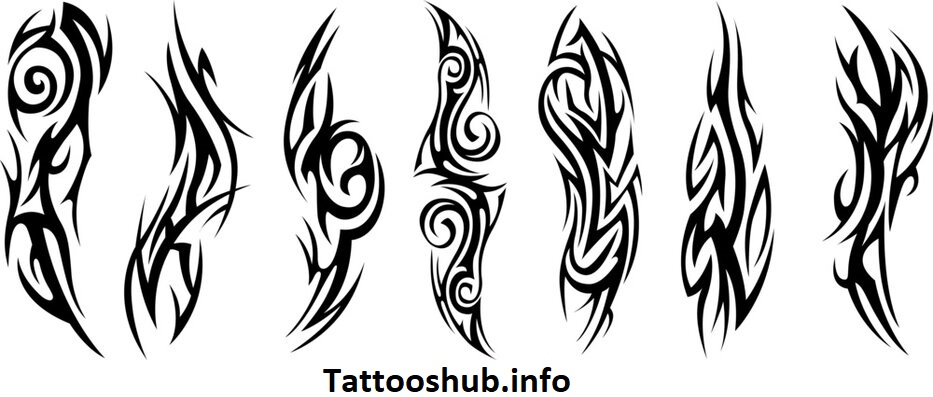
Tribal tattoos are known for their bold, black lines and abstract shapes, each telling its own unique story. There are many different styles, each with its own cultural significance. Let’s explore the most popular tribal tattoo styles, their origins, and what they represent.
1. Polynesian Tattoos
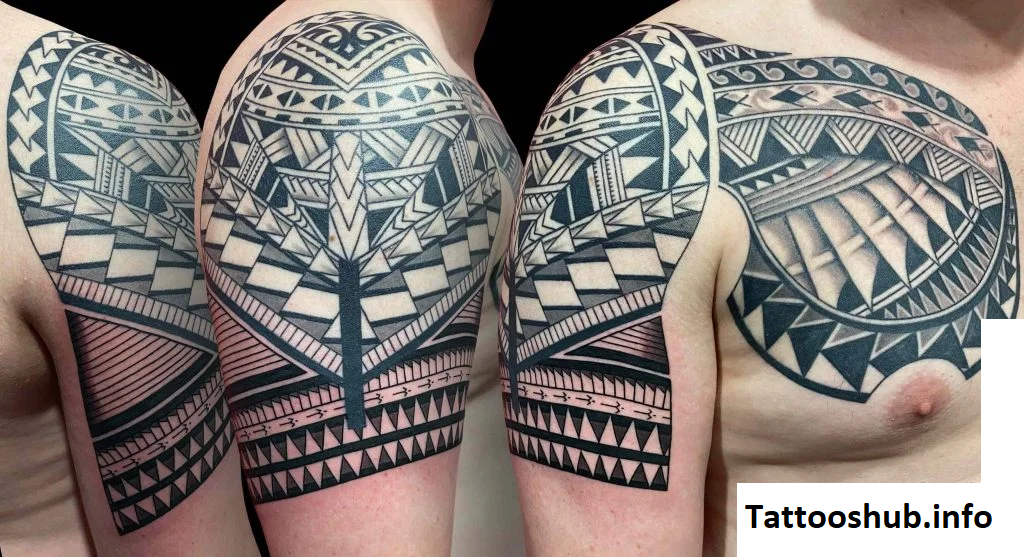
Polynesian tattoos are some of the most famous tribal tattoo designs in the world. These tattoos originate from the islands of the Pacific, such as Hawaii, Samoa, and Tahiti. They’re known for their intricate geometric patterns, sharp lines, and symbols of protection.
Origins and Cultural Significance:
Polynesian tattoos date back over 2,000 years, and they were a way for people to mark important milestones in their lives, such as coming-of-age rituals, battles, and religious ceremonies. These tattoos also represented status, family, and spiritual beliefs.
Common Designs:
- Turtle: Symbolizes longevity and safe travels.
- Shark: Represents strength, power, and protection.
- Ocean Waves: A sign of life’s cyclical nature and the deep connection to the sea.
Placement Ideas:
Polynesian tattoos are often placed on the arms, legs, back, and chest. Full sleeve tattoos are particularly popular in this Traditional American Tattoo Style, often featuring intricate, flowing designs that wrap around the arm.
2. Maori Tattoos
The Maori people of New Zealand have one of the most well-known and respected tattoo traditions. Maori tattoos (known as moko) are deeply symbolic, telling stories of ancestry, achievements, and personal identity.
Origins and Cultural Significance:
For the Maori, tattoos weren’t just decorative—they were a way to tell the wearer’s life story and highlight their social rank and achievements. These tattoos were considered a mark of honor, and the process was sacred.
Common Designs:
- Koru: Represents new beginnings, growth, and peace.
- Hei Matau (Fish Hook): Symbolizes prosperity, strength, and abundance.
- Fern: A symbol of resilience, as ferns are the oldest plants in New Zealand.
Placement Ideas:
Maori tattoos were traditionally placed on the face, arms, and legs, with facial moko being an important rite of passage for both men and women.
3. Samoan Tattoos
Samoan tattoos, or tatau, are traditional tattoos that have been part of Samoan culture for thousands of years. These tattoos are known for their large, bold designs and are often seen as a rite of passage for Samoan men.
Origins and Cultural Significance:
Samoan tattoos are not only art but are also used to symbolize courage, honor, and the warrior spirit. The tatau is often a representation of the wearer’s connection to their ancestors and their responsibility to protect their community.
Common Designs:
- Fa’a Samoa: Represents the Samoan culture and way of life.
- Geometric patterns: These often include triangles, lines, and spirals, symbolizing balance and unity.
- Spearhead: A symbol of bravery, protection, and war.
Placement Ideas:
Samoan tattoos are typically placed on the upper body, often covering the chest, arms, and legs. Full-body coverage is common, especially for men, signifying strength and maturity.
4. African Tribal Tattoos
African tribal tattoos have been practiced for thousands of years and vary from region to region, with different tribes having unique designs. In many African cultures, tattoos are used to mark important life events such as coming of age, marriage, or spiritual initiation.
Origins and Cultural Significance:
African tattoos often have strong connections to the spiritual world, with designs believed to provide protection or blessings. They can represent one’s place within a tribe, their achievements, or their connection to the divine.
Common Designs:
- Adinkra symbols: A set of symbols used in Ghana to represent concepts like wisdom, unity, and strength.
- Tribal faces and animal motifs: Designs that represent the wearer’s connection to their ancestors or the spirit world.
- Geometric patterns: Often used for their spiritual significance and to invoke certain energies.
Placement Ideas:
African tattoos can be placed on the face, arms, and legs, with designs often covering large areas of the body. Facial tattoos are particularly common in some tribes.
5. Native American Tribal Tattoos
Native American tribal tattoos are rich with symbolism, often representing the wearer’s connection to nature, the spirit world, and their tribe. These tattoos can range from abstract geometric shapes to detailed representations of animals and nature.
Origins and Cultural Significance:
In Native American culture, tattoos were used to mark important achievements, such as hunting or warrior status, and to honor animals and natural elements that played a key role in their spiritual beliefs.
Common Designs:
- Eagle Feathers: Symbolize honor, wisdom, and freedom.
- Dreamcatcher: Represents protection and the filtering of negative energy.
- Wolf: A symbol of loyalty, strength, and leadership.
Placement Ideas:
Native American tattoos can be placed on the arms, back, chest, and legs, with larger designs often covering entire areas, such as the back or chest.
The Meaning Behind Tribal Tattoos
Tribal tattoos are more than just art; they carry deep meanings tied to cultural beliefs, personal identity, and spirituality. Let’s explore some common symbols used in tribal tattoos and their meanings.
Symbols of Strength and Power
Tribal tattoos often feature symbols that represent inner strength, resilience, and power. These designs are usually chosen by individuals who want to express their personal strength or desire for protection.
Examples:
- Wolf: Represents loyalty and strength, often chosen by those who view themselves as leaders or protectors.
- Lion: Symbolizes courage and leadership, commonly chosen by people who value power and independence.
Symbols of Protection and Guidance
Many tribal tattoos feature designs that are meant to provide protection or guidance, whether it’s from negative energy, danger, or misfortune.
Examples:
- Tiki Masks (Polynesian): Used to ward off evil spirits and bring good fortune.
- Shield: A symbol of protection, often chosen to safeguard the wearer.
Symbols of Love, Family, and Kinship
Tribal tattoos can also represent family bonds, love, and unity. These tattoos often include symbols that celebrate connection, such as hearts, trees, and animals that represent family ties.
Examples:
- Tree of Life: Represents connection, growth, and the continuity of life through generations.
- Hearts and Infinity Symbols: Frequently used in tattoos to symbolize everlasting love or unbreakable family ties.
Warrior and Courage Symbols
Warrior symbols are common in tribal tattoos, particularly in cultures where warfare and battle played a significant role in the community.
Examples:
- Spearheads: A symbol of bravery and courage, often chosen by those who value the warrior spirit.
- Crescent Moon: Represents new beginnings, strength, and the power to overcome challenges.
Modern Tribal Tattoos
As tattoo culture has evolved, so have tribal tattoos. Today, modern interpretations of tribal tattoos blend traditional designs with contemporary aesthetics, making them more versatile and accessible to a global audience. Modern tribal tattoos still honor their cultural roots but are designed in ways that appeal to people seeking both style and personal meaning.
1. Minimalist Tribal Tattoos
Minimalist tribal tattoos focus on simplicity and clean lines. These tattoos often retain the geometric patterns and abstract designs of traditional tribal art but eliminate the excessive detail, resulting in a more subtle and modern appearance.
Why Choose Minimalist Tribal Tattoos?
Minimalist tribal tattoos are perfect for those who want to incorporate the essence of tribal art into their lives without committing to large, complex designs. These tattoos often fit smaller areas, such as the wrist, ankle, or behind the ear.
Common Designs:
- Simple Arrows: Representing direction, focus, and purpose.
- Abstract Lines: Geometric designs symbolizing balance and harmony.
- Small Animal Icons: A minimalist wolf, eagle, or lion can convey strength and protection.
2. Tribal Sleeve Tattoos
A full sleeve tribal tattoo is a bold statement. These designs often cover the entire arm, wrapping around the bicep, forearm, and wrist. Full-sleeve tribal tattoos blend the intricate patterns of traditional tribal art with the fluidity and flow of modern tattoo styles.
Why Choose a Tribal Sleeve Tattoo?
A sleeve tattoo allows for the freedom to create a cohesive design that spans the entire arm. Tribal sleeve tattoos are a great way to showcase your commitment to tribal culture while also displaying your personal story through the design’s flow.
Common Designs:
- Flowing Patterns: A continuous flow of tribal lines and shapes that cover the arm, starting from the shoulder down to the wrist.
- Animal Motifs: Lions, wolves, and sharks can be integrated into sleeve tattoos, with each element connected by tribal patterns.
3. Geometric Tribal Tattoos
Geometric tribal tattoos represent a fusion between traditional tribal patterns and modern geometric art. These designs incorporate elements of symmetry, shapes, and straight lines, giving the tattoos a contemporary feel while still maintaining their tribal essence.
Why Choose Geometric Tribal Tattoos?
Geometric tribal tattoos are for those who love structure and symmetry in their body art. These tattoos look very sleek and modern and are ideal for individuals who prefer sharp lines and minimalistic design.
Common Designs:
- Sacred Geometry: Mandalas and hexagonal patterns integrated with tribal motifs.
- Triangles and Circles: Simple but powerful geometric shapes that represent balance and unity.
- Line Art: Tribal patterns that consist of straight lines and angles, creating a clean, modern aesthetic.
4. Abstract Tribal Tattoos
Abstract tribal tattoos are a more experimental form of tribal art. These tattoos often break away from the traditional geometric patterns and instead explore fluid, organic forms that combine traditional tribal elements with modern art influences.
Why Choose Abstract Tribal Tattoos?
Abstract tribal tattoos are perfect for those who want a unique and personal design that doesn’t adhere strictly to traditional patterns. These tattoos allow for more freedom of expression and can be highly customized.
Common Designs:
- Swirling Shapes: Fluid and dynamic lines that wrap around the body.
- Fluid Figures: Abstract representations of animals, nature, or elements of the cosmos.
- Blended Patterns: The combination of geometric, organic, and tribal shapes for an artistic, modern take on tribal tattoo art.
Choosing the Right Tribal Tattoo for You
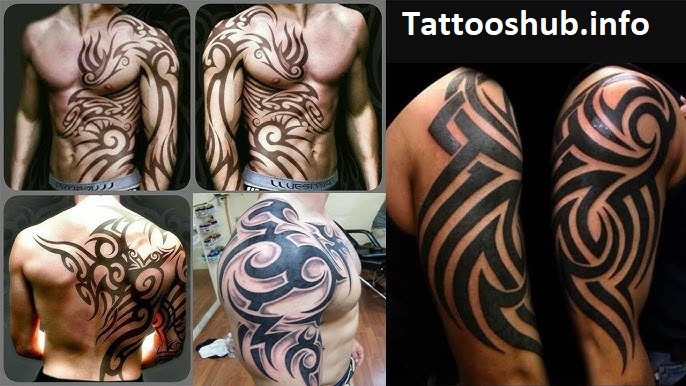
Tribal tattoos carry great personal and cultural significance, so choosing the right design for you requires careful thought. Whether you’re drawn to a specific culture, animal symbol, or style, it’s important to ensure the tattoo speaks to you on a deeper level. Here are some tips on how to choose the right tribal tattoo.
1. Considering Cultural Significance
Before getting a tribal tattoo, it’s important to understand its cultural roots and significance. Tattoos are an important aspect of many cultures, and their meanings vary widely. If you’re considering a design from a specific culture, take time to research its history and symbolism.
Why It’s Important:
A tattoo should reflect your respect for the culture it originates from. Misusing cultural symbols or designs can be seen as disrespectful or inappropriate. If you’re not connected to a specific tribe or culture, it’s better to opt for a more universal design or a modern adaptation of tribal art.
2. Tribal Tattoo Placement Ideas
Placement plays a crucial role in how a tribal tattoo will look on your body. The size of the design and the area you choose to tattoo should complement each other.
Common Placement Areas:
- Arm: Full sleeves, forearm tattoos, or small designs on the wrist or bicep.
- Back: Large tribal tattoos covering the upper back or running down the spine.
- Chest: Tribal tattoos can make an impactful statement when placed across the chest or over the heart.
- Legs: Thigh and calf tattoos are popular for larger tribal designs.
Placement Tips:
- Choose a placement that suits the design’s flow.
- Consider how the tattoo will look with your body’s shape.
- Keep in mind that larger designs may need more space to fully showcase their beauty.
3. Customizing Your Tribal Tattoo
One of the great things about tribal tattoos is that they can be highly personalized. Many people choose to incorporate symbols, animals, or even personal stories into their designs.
How to Customize Your Tattoo:
- Personal Symbols: Add meaningful symbols from your life, such as family crests or spiritual icons.
- Integrating Names or Dates: Some people choose to include important names or dates, making the tattoo even more personal.
- Blending Styles: Combine traditional tribal elements with modern design styles like geometric shapes, watercolor splashes, or abstract art to make your tattoo unique.
How Tribal Tattoos Have Evolved
Tribal tattoos have come a long way from their traditional roots. While they still carry deep cultural meanings, they’ve also evolved to fit modern tattoo culture. Today, tribal tattoos are often personalized and adapted to suit contemporary tastes, blending old-world art with new-world influences.
1. The Global Spread of Tribal Tattoos
As tattoo culture has grown worldwide, tribal tattoos have crossed cultural boundaries and have become a universal art form. Thanks to globalization and the influence of social media, tribal tattoos are now seen in many different cultures, where they’re often interpreted in new ways.
Global Influence: Modern tribal tattoos now blend various influences, creating a hybrid style that incorporates elements from different traditions and cultures. This allows for unique designs that still carry a sense of tribal artistry.
2. Tattoo Technology and Tribal Art
Advancements in tattoo technology have had a huge impact on the way tribal tattoos are created today. From improved needles to better inks, these advancements have allowed tattoo artists to create more intricate and detailed tribal designs than ever before.
The Influence of Tattoo Machines:
While traditional tribal tattoos were done by hand, modern tattoo machines allow for faster, more precise work. This means that tribal tattoos can be more detailed and last longer.
3. The Role of Social Media in Tribal Tattoo Trends
Social media platforms like Instagram and Pinterest have played a huge role in the popularity of tribal tattoos. Tattoo artists from around the world share their work on these platforms, giving people the opportunity to explore new designs, ideas, and trends.
The Rise of Online Tattoo Communities:
Tattoo artists and enthusiasts now form communities online, sharing ideas, designs, and inspiration. This has led to an explosion of creativity, with tribal tattoos becoming more personalized and customizable than ever before.
Pain, Aftercare, and Choosing a Tattoo Artist
Getting a tribal tattoo is an exciting experience, but it’s important to be prepared for the process. From pain management to aftercare, taking proper steps will ensure your tattoo heals well and looks great for years to come.
1. Pain Levels for Tribal Tattoos
Pain levels for tribal tattoos depend on several factors, including the tattoo’s placement and the size of the design. Areas with more muscle or fat tend to hurt less, while areas with less flesh, like the ribs or spine, can be more painful.
2. Tattoo Aftercare
After getting your tribal tattoo, proper aftercare is essential to prevent infection and ensure the design heals properly. Here are some basic aftercare tips:
- Keep it clean: Wash the tattoo gently with lukewarm water and mild soap.
- Moisturize: Apply a tattoo-specific ointment or unscented lotion to keep the area hydrated.
- Avoid Sun Exposure: Don’t expose your tattoo to direct sunlight during the healing process.
3. Choosing a Tribal Tattoo Artist
Choosing the right tattoo artist is key to getting the tribal tattoo you’ve always wanted. Here are some tips to help you find the right artist:
- Research Their Portfolio: Look for an artist who has experience with tribal tattoos and can showcase their past work.
- Consider Their Style: Make sure their style aligns with the tribal design you want.
- Consultation: Schedule a consultation to discuss your ideas and see if the artist understands your vision.
Common Myths and Misconceptions About Tribal Tattoos
There are several misconceptions about tribal tattoos that can prevent people from getting one. Let’s debunk some of these myths.
1. Tribal Tattoos Are Only for Men
While it’s true that many tribal tattoos are large and bold, there are plenty of smaller, more delicate tribal designs that work beautifully for women.
2. Tribal Tattoos Are Only About Cultural Appropriation
Many tribal tattoos are made with respect for the culture they come from. As long as you do your research and choose a design that resonates with you, tribal tattoos can be a respectful and meaningful choice.
Conclusion
Tribal tattoos are much more than just a fashion statement; they carry deep cultural and spiritual meanings. Whether you’re drawn to the bold lines of a Polynesian tattoo, the symbolism of a Maori design, or the personal connection of a modern tribal piece, a tribal tattoo is a powerful way to express yourself.
Take your time to research the meaning behind the design, choose a skilled artist, and ensure that your tattoo represents something meaningful in your life. With so many options to choose from, tribal tattoos are a timeless art form that will continue to inspire people for generations to come.
Frequently Asked Questions (FAQs)
1. What are tribal tattoos?
Tribal tattoos are designs that draw inspiration from the ancient tattooing traditions of various indigenous cultures. They are characterized by bold black lines, geometric patterns, and symbolic shapes. Tribal tattoos often hold cultural, spiritual, or personal meaning, representing strength, protection, and identity.
2. What do tribal tattoos represent?
Tribal tattoos carry deep meanings that vary depending on the culture. Common themes include strength, protection, spiritual beliefs, and family. For example, Polynesian tattoos may represent a connection to the sea, while Maori tattoos can signify social rank, personal achievements, and spiritual connections to ancestors. In modern contexts, tribal tattoos are also used to express individuality and personal growth.
3. Are tribal tattoos only for men?
No, tribal tattoos are not just for men. While many traditional tribal designs are large and bold, women also embrace tribal tattoos in more delicate, smaller designs. Women often choose tribal tattoos that reflect personal identity, cultural heritage, or feminine symbols like flowers, animals, or abstract patterns.
4. Can I get a tribal tattoo if I’m not from a specific culture?
Yes, but it’s important to approach tribal tattoos with respect for the culture they originate from. If you’re not from a specific tribe or culture, it’s recommended to choose a design that aligns with universal symbols or more modern interpretations of tribal art. It’s essential to research the meanings behind the designs to ensure you are not appropriating cultural symbols.
5. How painful is it to get a tribal tattoo?
The pain level of getting a tribal tattoo depends on several factors, such as the placement of the tattoo, the size, and the individual’s pain tolerance. Areas with more muscle and fat, like the outer arm or thigh, tend to be less painful. On the other hand, areas with less flesh, such as the ribs, spine, or hands, can be more painful.
6. How long does it take for a tribal tattoo to heal?
The healing time for a tribal tattoo typically ranges from 2 to 4 weeks, depending on the size of the tattoo and how well you care for it. The initial healing period involves the outer layer of the skin healing, while full healing can take up to 6 weeks. It’s essential to follow proper aftercare instructions to avoid infection and ensure the tattoo heals well.
7. What should I do after getting a tribal tattoo?
Proper aftercare is crucial for a successful healing process. Here’s a basic guide:
- Clean the tattoo: Gently wash the tattoo with lukewarm water and a mild soap.
- Moisturize: Apply a tattoo-specific ointment or unscented lotion to keep the skin hydrated.
- Avoid sunlight: Don’t expose your tattoo to direct sunlight during the healing period.
- Avoid scratching or picking: Let scabs and flakes naturally fall off.
8. Can I customize my tribal tattoo design?
Yes, tribal tattoos are highly customizable. Many people choose to incorporate personal symbols, animals, or other elements into their tribal design. Working with a skilled tattoo artist, you can modify traditional tribal patterns to create a tattoo that uniquely represents you and your personal journey.
9. How much does a tribal tattoo cost?
The cost of a tribal tattoo varies based on several factors, such as the size, complexity, placement, and the artist’s hourly rate. On average, small tribal tattoos can cost between $50–$200, while larger pieces or full-sleeve tribal tattoos can range from $500 to $2,000 or more. It’s best to consult with your tattoo artist for an accurate estimate.
10. What’s the difference between traditional and modern tribal tattoos?
Traditional tribal tattoos adhere closely to the cultural origins and symbolism of indigenous tribes. They use bold lines and patterns to represent spiritual beliefs, strength, and family ties. Modern tribal tattoos, while still retaining the essence of tribal art, often blend these traditional elements with contemporary designs such as geometric shapes, minimalist lines, or abstract forms. Modern tribal tattoos may also focus more on personal expression and aesthetics.
11. Can I remove a tribal tattoo if I no longer want it?
Yes, it is possible to remove a tribal tattoo through methods such as laser tattoo removal. However, this process can be costly, and multiple sessions may be required for complete removal. The effectiveness of tattoo removal depends on the ink color, depth of the tattoo, and the tattoo’s age.
12. Are tribal tattoos culturally significant?
Yes, tribal tattoos are culturally significant, especially in indigenous cultures like the Polynesians, Maori, and Native Americans. These tattoos are not just decorative—they carry deep spiritual and personal meaning, often marking milestones such as coming-of-age, initiation, or significant life events. In some cultures, the designs are used for protection or to honor ancestors. When getting a tribal tattoo, it’s important to understand and respect the cultural significance behind the designs.
13. How do I choose the right tribal tattoo for me?
Choosing the right tribal tattoo requires careful thought. Here are some tips:
- Research the meaning: Understand the cultural or personal significance of the design.
- Consider your personality: Choose a design that reflects who you are and what you value.
- Placement: Think about where you want the tattoo on your body and how the design will flow with your shape.
- Consult an artist: Work with a skilled tattoo artist who specializes in tribal designs to help you bring your vision to life.
14. Are tribal tattoos considered timeless?
Yes, tribal tattoos are considered timeless. While tattoo trends may come and go, the cultural and symbolic value of tribal tattoos remains strong. These tattoos have stood the test of time, and their designs continue to inspire people around the world, transcending generations.
15. Can I combine tribal tattoos with other styles?
Yes, tribal tattoos can be combined with other tattoo styles, such as geometric, watercolor, or even realism. Many people blend tribal art with contemporary styles for a more unique and personalized look. Whether it’s adding vibrant colors or integrating realistic elements, tribal tattoos can adapt to fit modern tastes while still honoring traditional roots.